Portuguese
  Spanish


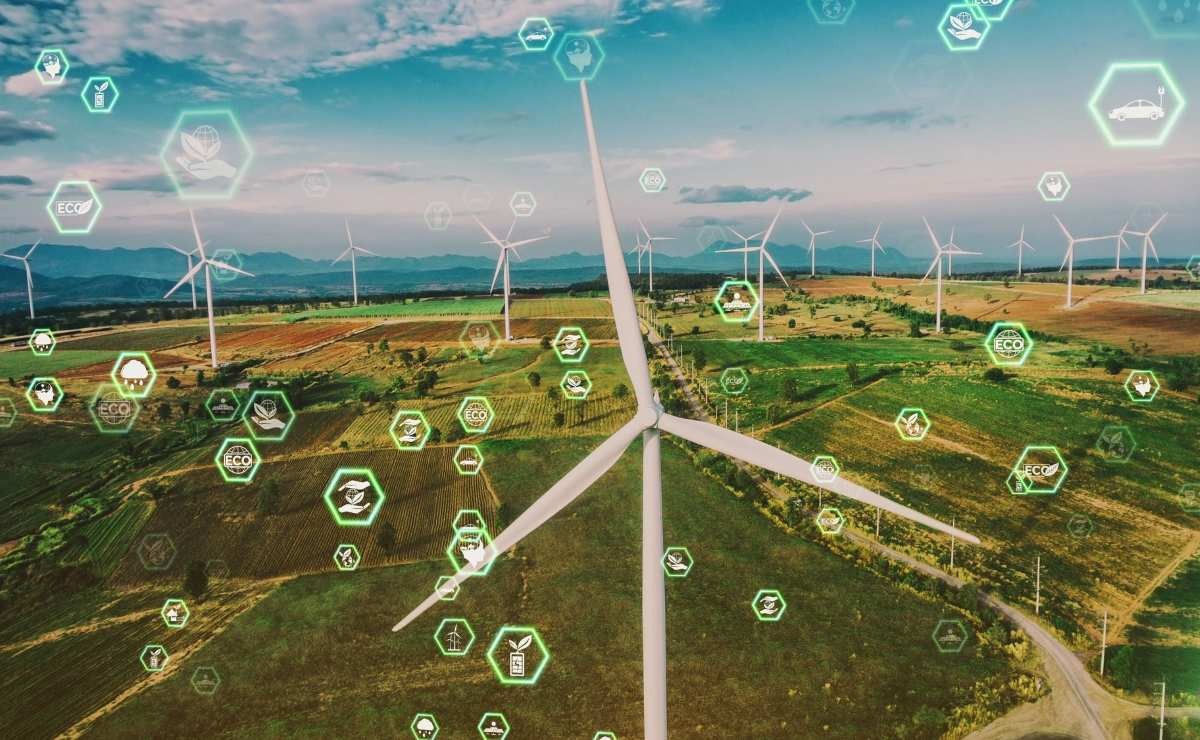

Talking Panels, Drones that Detect Failures and Software that Reads the Wind Show How AI is Transforming Clean Energy Production.
Predicting the wind hours in advance, detecting failures in solar panels before they become a problem, and adjusting the energy consumption of data centers in real time.
All of this is already a reality thanks to the union between artificial intelligence (AI) and renewable energies. What once seemed like science fiction has become routine in solar plants, wind turbines, and control centers around the world.
AI Improves Forecasts and Efficiency
The nature of renewable sources presents a challenge: the sun doesn’t shine all the time, and the wind doesn’t blow consistently.
-
Brazilian scientists are simultaneously advancing two research projects on clean hydrogen and driving solutions that could transform the energy matrix, enhance industrial competitiveness, and accelerate large-scale emission reduction targets.

-
Advancement in renewable energy: A R$ 150 million project launched by Petrobras and Finep aims to create state-of-the-art electrolyzers for green hydrogen, strengthening national research and preparing Brazil to compete in a billion-dollar energy market.
-
Illiterate or semi-literate grandmothers were trained to repair solar systems, open rural workshops, and light up homes that still depended on kerosene.
-
The world has bet on green hydrogen as the fuel of the future, but now faces the side effect: producing 1 kilogram requires about 9 liters of ultrapure water, and the largest projects on the planet are precisely in the driest regions of the Earth, where water is already scarce for people.




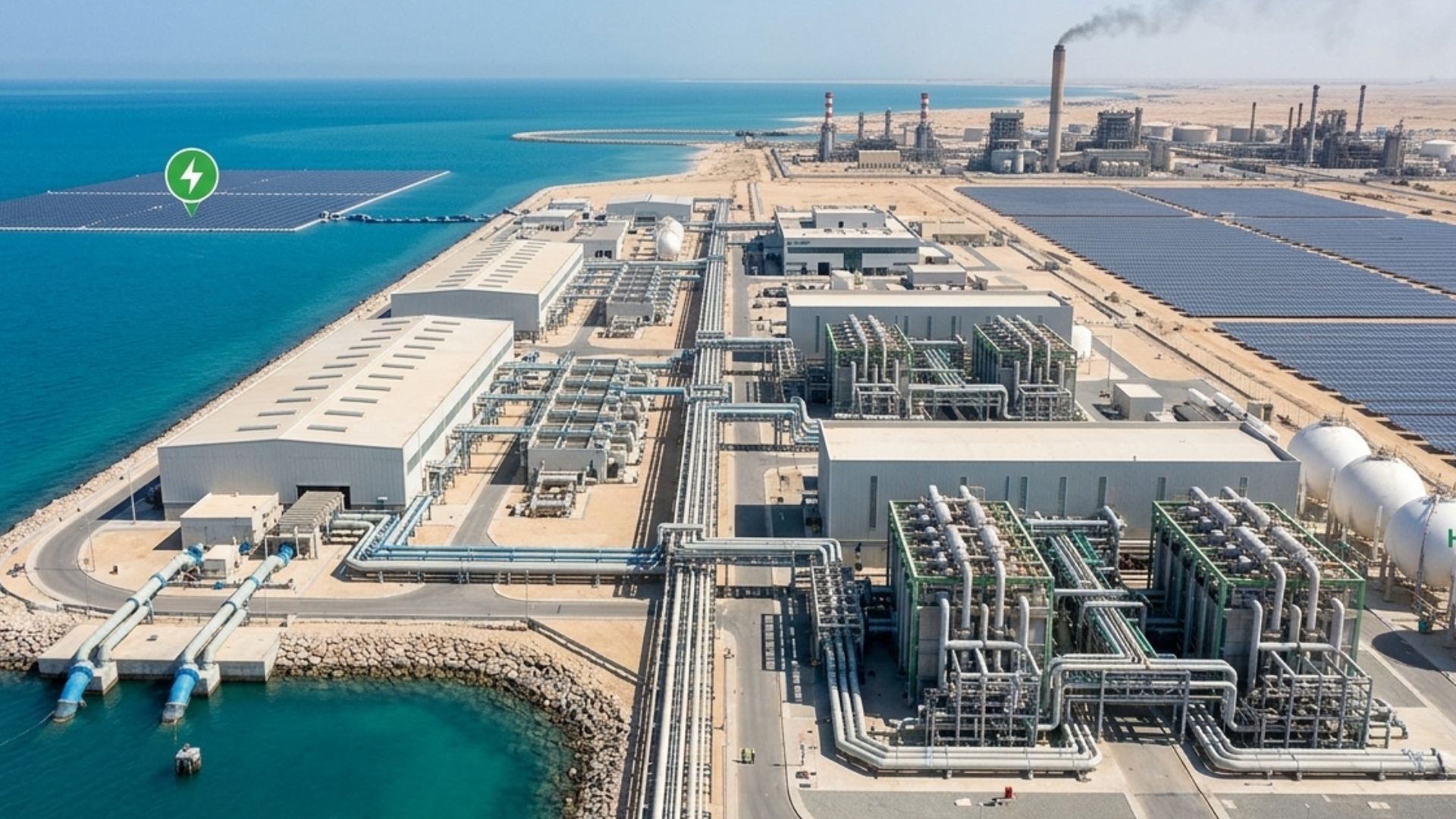
Artificial intelligence emerges as a response to this intermittency. Advanced algorithms analyze weather data to predict conditions with high accuracy.
This allows for determining when to store energy, when to distribute it to the grid, and even where to install turbines and panels for maximum yield.
Companies like Siemens Gamesa are already adopting this technology to plan the location of their wind turbines. The result is an increase in energy production without the need to install new equipment.
Automated Maintenance Prevents Failures
Another use of AI is in monitoring installations. Drones equipped with computer vision fly over large areas, such as solar parks, and detect failures in real time.
This automation reduces the need for manual labor and the risk for technicians, who often operate in extreme environments.
Additionally, software with text-to-speech technology allows this information to be communicated clearly and immediately.
A phrase like “Damaged panel in row 3, column 5” can prevent maintenance delays and even avert accidents in remote locations.
Data Centers Require a Lot of Energy
On the other hand, the intensive use of AI comes with a high energy cost. Data centers responsible for training and operating algorithms consume substantial amounts of electricity.
A single center can use in a year the same amount of energy as hundreds of homes.
Even so, there are efforts to reduce this impact. Google, for example, is already using solar and wind energy to power its servers. AI itself is used to manage consumption, reducing the temperature of the centers when possible and avoiding spikes in use.
Pros and Cons of this Combination
Among the main benefits of artificial intelligence applied to renewable energies are:
– Greater accuracy in forecasts and installations.
– Reduction in operational and maintenance costs.
– Automation of dangerous or repetitive tasks.
– Increased security and accessibility via voice control.
But there are also challenges:
– High energy consumption for training AI models.
– High costs for small businesses.
– Risk of dependence on complex and opaque systems.
– Lack of transparency in some algorithms, the so-called “black boxes.”
The Impact Goes Beyond Efficiency
The potential of AI alongside renewable energies goes beyond cost savings.
It can transform the way communities and entire cities consume energy. Autonomous microgrids, smart neighborhoods, and systems that react to the weather in real time are just a few examples.
But it is important to remember: technology alone is not enough. Efficiency does not mean sustainability if consumption remains uncontrolled. Automated systems require human oversight. And the energy that powers AI also needs to be clean, or we will be trading one problem for another.
Artificial intelligence is not magic. Renewables are not infallible. But when well applied, they can together reshape the future of energy. And that, in the face of the climate crisis, is already a significant step.