






 Portuguese
  Spanish



The ICMS on Gasoline, Diesel, and Cooking Gas Will Increase Starting January 2026. Understand How the Adjustment May Affect Prices and the Expected Impact on the Economy.
Brazilian citizens can already prepare for changes in the household budget starting January 2026. The National Council of Finance Policy (Confaz) announced a new adjustment to the ICMS on gasoline, diesel, and cooking gas, a measure that will directly influence the population’s cost of living. The decision was published in the Official Gazette of the Union and reported by G1 this Monday, September 8.
How the ICMS on Gasoline Will Change
The most consumed fuel in the country will see a new tax increase. The ICMS on gasoline will rise from R$ 1.47 to R$ 1.57 per liter, which is an increase of R$ 0.10.
Although it may seem small, experts warn that this variation is likely to be reflected throughout the price chain, as the transportation of goods heavily relies on fuel.
-
Azul tightens its belt, targets aviation fuel prices, and may reduce flights in cities while Campinas, Belo Horizonte, and Recife become key components of the new network.

-
Petrobras surprises the market and reduces diesel prices at refineries, easing pressure on fuels in 2026 and reinforcing its strategy to maintain competitiveness in the energy sector amid international oil fluctuations and global demand.
-
Gasoline prices may have a controlled increase with the new government MP after the crisis between the US and Iran.

-
Five billion-dollar questions put the fuel market on high alert: distributors are avoiding subsidized diesel and leave open the question of who will assume the risk of this cost.



Adjustment on Cooking Gas
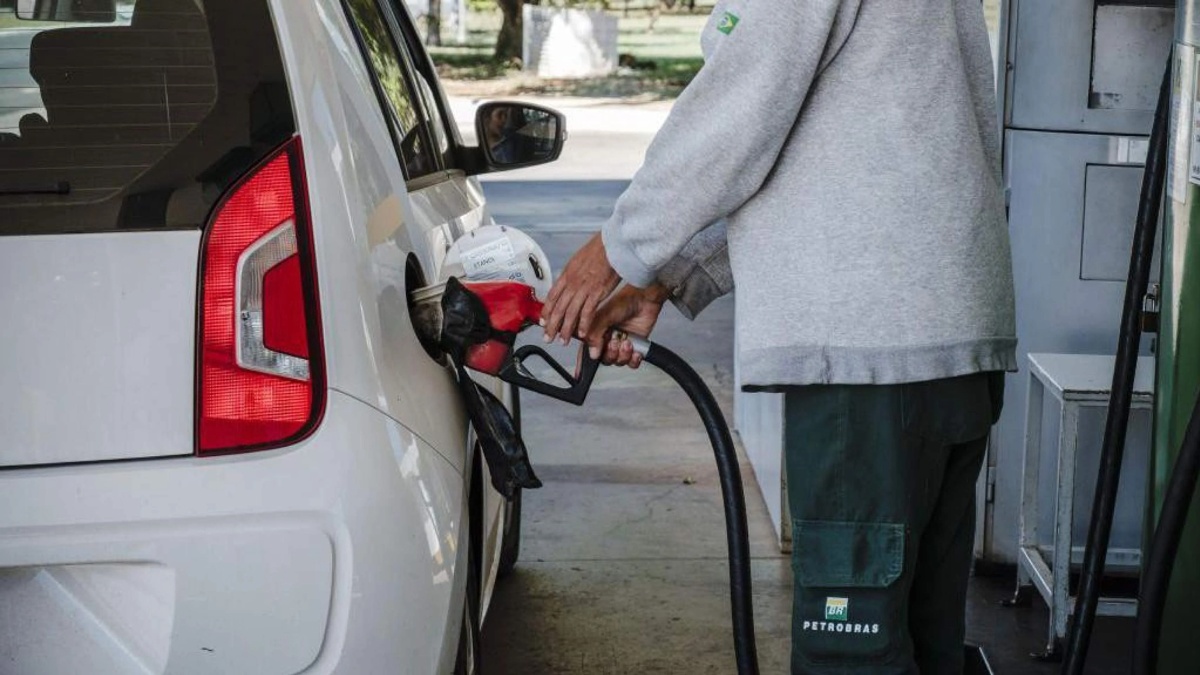
Another essential item in the basic basket that will be affected is cooking gas. The ICMS will increase by R$ 1.05 per cylinder, directly raising the cost of meal preparation for Brazilian families.
As this is an indispensable product, the adjustment raises concerns among consumer protection agencies, which point out the risk of increased inflationary pressure.
Diesel Also Undergoes Change
Diesel, widely used for freight transport and in the agricultural sector, will see a rise of R$ 0.05 per liter, making it cost R$ 1.17 in state taxes.
This change is likely to impact freight costs primarily, which may elevate prices of food and other products on store shelves.
Reasons for the ICMS Increase
According to the National Committee of Finance Secretaries (Comsefaz), the decision is based on the analysis of average prices released by the National Agency of Petroleum, Natural Gas, and Biofuels (ANP).
The survey considered the period from February to August 2025 compared to the same interval in 2024. This methodology aims to adjust taxation according to market behavior.
This is not an isolated move. In 2025, the ICMS on fuels had already been adjusted. Now, in 2026, the measure reinforces the trend of increasing the tax burden on strategic items essential for daily life and for the functioning of the economy.
As fuels are considered key prices, the increase in ICMS is expected to trigger a cascading effect. This means that in addition to paying more at the gas station or for a gas cylinder, consumers may feel the impacts on food, public transportation, and services in general.
It’s worth noting that Petrobras, at the beginning of Luiz Inácio Lula da Silva’s government, abandoned the policy of international parity. This linked internal prices to the value of oil in the international market and the dollar exchange rate. Nevertheless, internal factors, such as the tax burden, continue to determine the final cost of fuels.


