






 Portuguese
  Spanish


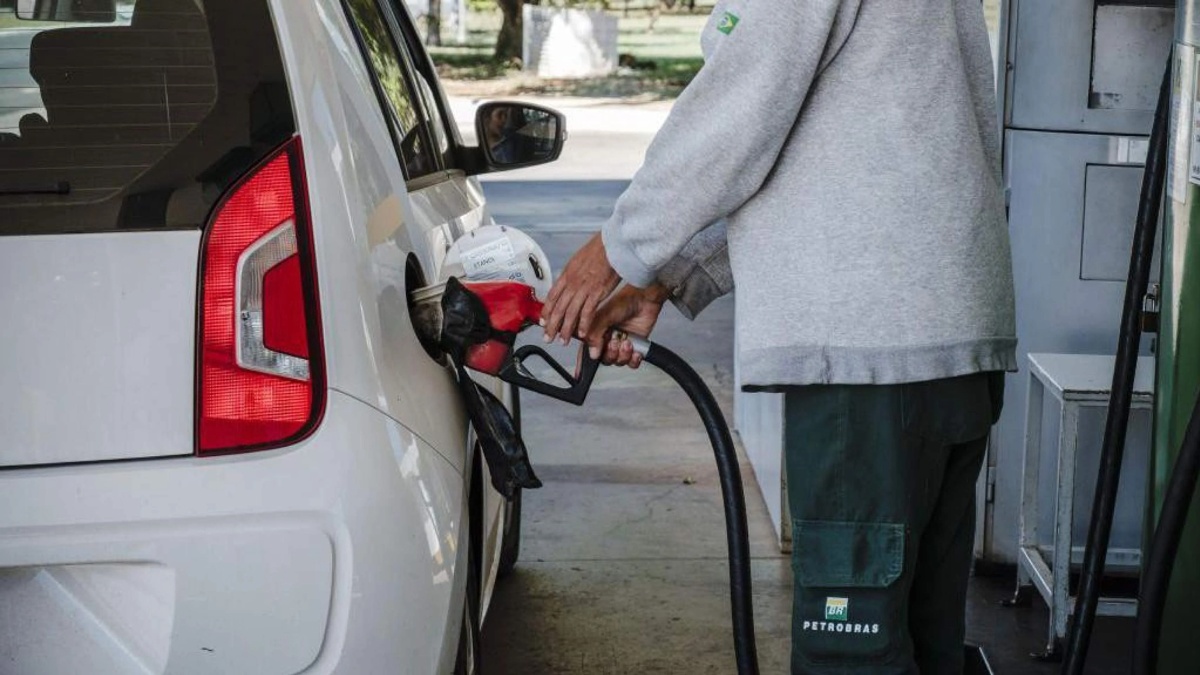
The federal government announced a provisional measure (MP) to try to curb the rise in gasoline prices after the surge in oil on the international market caused by the conflict between the United States and Iran. The measure was announced by the Ministry of Mines and Energy (MME) this Wednesday (5/13) and aims to reduce the impacts of the international crisis on Brazilian consumers.
Additionally, the initiative provides for a subsidy for gasoline produced in Brazil or imported from other countries. The goal is to prevent an even greater increase in fuel prices due to the pressure caused by the appreciation of oil following the escalation of tensions in the Middle East.
Government wants to reduce the impact of rising oil prices
The conflict between the United States and Iran caused a strong reaction in the international energy market.
-
Azul tightens its belt, targets aviation fuel prices, and may reduce flights in cities while Campinas, Belo Horizonte, and Recife become key components of the new network.

-
Petrobras surprises the market and reduces diesel prices at refineries, easing pressure on fuels in 2026 and reinforcing its strategy to maintain competitiveness in the energy sector amid international oil fluctuations and global demand.
-
Five billion-dollar questions put the fuel market on high alert: distributors are avoiding subsidized diesel and leave open the question of who will assume the risk of this cost.

-
Impressive record in sight: B diesel is expected to reach 70.8 million m³ in 2026 in Brazil, while biodiesel grows 7.2% and boosts the economy, according to a StoneX projection.




Furthermore, oil prices surged after the start of the crisis, raising concerns about inflation and fuel costs in various countries.
Experts say that oil has a direct impact on gasoline, diesel, and transportation.
In this context, the Brazilian government decided to act to reduce the effects of international volatility.
How the gasoline subsidy will work
The provisional measure provides for the payment of subsidies directly to gasoline producers and importers.
Additionally, the resources will be managed by the National Agency of Petroleum, Natural Gas and Biofuels (ANP).
The Ministry of Finance is expected to announce the subsidy amounts and payment criteria in the coming days.
Experts say the model aims to prevent immediate transfers of international increases to the final consumer.
Petrobras had already signaled pressure on prices
Petrobras had already been warning about pressure on fuel prices due to the international scenario.
Additionally, the appreciation of the barrel of oil raised concerns about possible adjustments at refineries.
Experts say that international fluctuations usually have a direct impact on the Brazilian fuel market.
Therefore, the government accelerated emergency measures to prevent further increases.
Conflict between the US and Iran worries the global market
The tensions between the United States and Iran continue to increase instability in international markets.
Additionally, investors are monitoring risks related to the global oil supply and maritime transportation in the region.
Specialists claim that any threat to energy supply usually causes strong volatility in commodity prices.
In this scenario, oil above certain levels can pressure global inflation.
Gasoline price increase affects Brazilian consumers
The increase in fuel prices has a direct impact on the budget of Brazilian families.
Moreover, more expensive gasoline influences transportation, logistics, and prices of various products.
Specialists claim that fuels have a strong weight in the country’s inflation indices.
Therefore, measures aimed at containing prices usually gain economic and political importance.
The role of ANP in the operation of the measure
The National Petroleum Agency will be responsible for the operationalization of the subsidy.
Additionally, the agency will transfer the amounts allocated to gasoline producers and importers.
Specialists claim that ANP’s participation will be fundamental to ensure speed in the execution of the measure.
In this context, the government seeks to reduce immediate impacts on fuel stations.

Oil continues to pressure the global economy
Oil remains one of the most important commodities in the global economy.
Furthermore, price fluctuations affect inflation, transportation, industry, and financial markets.
Specialists claim that geopolitical crises often cause sharp movements in the energy sector.
Therefore, investors closely follow the developments of the conflict in the Middle East.
Market follows the government’s next steps
Analysts remain attentive to the details of the provisional measure and the subsidy amounts.
Additionally, the market monitors possible fiscal and economic impacts of the initiative.
Among the main points observed are:
- Subsidy amount
- International oil price
- Petrobras adjustments
- Fiscal impact
- Fuel inflation
All these factors are expected to influence market behavior in the coming months.
Measure seeks to avoid even greater pressure on inflation
The rise in gasoline prices could increase inflationary pressure in Brazil.
Moreover, more expensive fuels affect transportation and production costs in different sectors of the economy.
Experts say that containing adjustments helps to reduce impacts on consumption and economic activity.
In this scenario, the government tries to avoid new increases in the cost of living for the population.


Government tries to stabilize the fuel market
The provisional measure represents an attempt to stabilize the market in the face of the international crisis.
Additionally, the government seeks to reduce insecurity among consumers and economic agents.
Experts say the scenario will continue to depend on the behavior of oil in the coming days.
Finally, the new MP shows how international conflicts continue to directly influence fuel prices and the Brazilian economy.







Be the first to react!