






 Portuguese
  Spanish


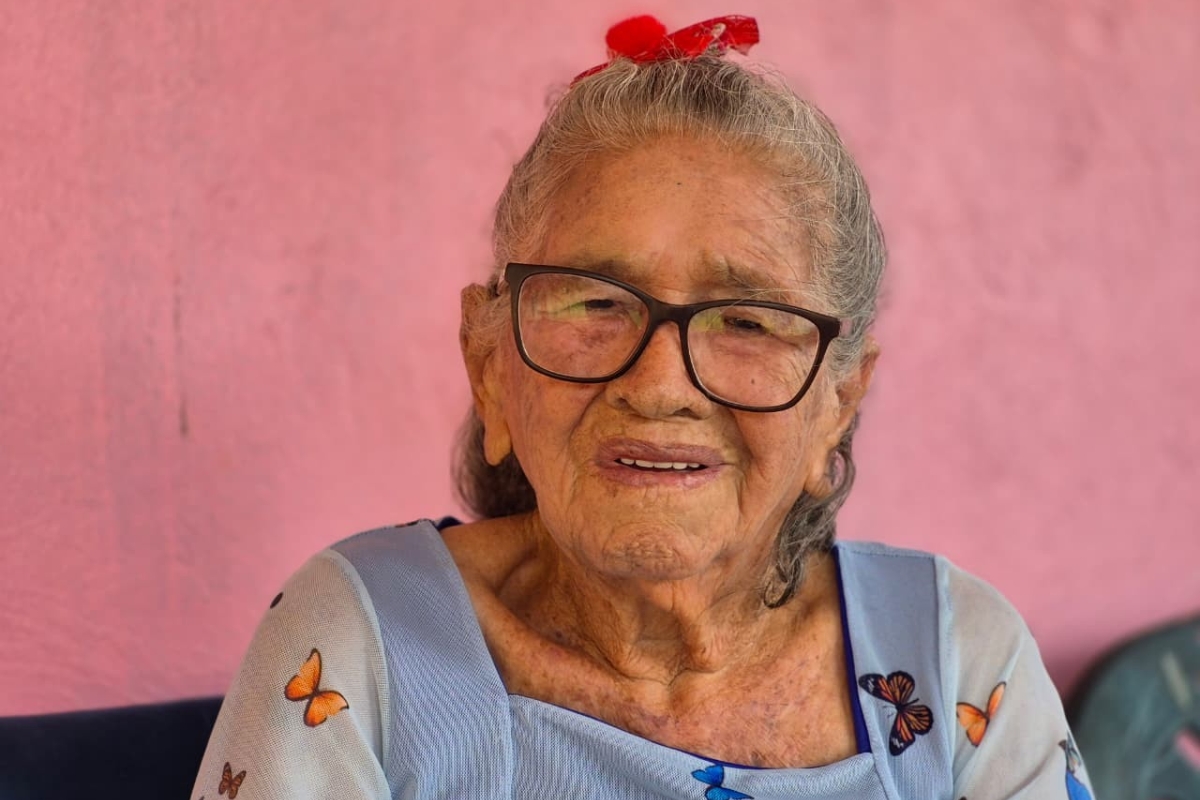


The Decision Recognized The Right To The Benefit In March 2025 And Ended A Decades-Long Wait For Those Who Lived Off Farming
At 101 years, Celeste Lucas da Silva achieved the retirement she had sought since 1985. The right to the benefit was recognized in March 2025, after a long wait.
The outcome changed the family’s routine and brought security to the centenarian, who began receiving payments in April.
The story draws attention for depicting a lifetime dedicated to the countryside and for showing how the formal recognition of a right can take a long time.
-
Brazilians in Portugal Face Increased Police Checks as Consulate Advises Carrying Documents; Long-term Resident and Tourist Report Heightened Scrutiny in Porto.

-
Russia Proposes Bold Energy Transition Plan at BRICS, Citing $8 Trillion Annual Cost for 2050 Global Target
-
$142 Million Bridge Funded by Brazil Only Used by Empty Trucks at Night, While 43,000 Vehicles Face 2-Hour Queues and Annual Losses Could Reach $600 Million at the Border.
-
Man Crafts $10,000 Hammer with 24-Karat Gold and Diamonds



What Happened And Why This Caught Attention
Celeste applied for retirement for the first time in 1985, when she was 62 years old. Even so, the recognition only occurred in March 2025.
The gap between the request and the decision highlights the difficulties many people face in converting years of work into a regular benefit.
With the definition of the right, payments began in April, ending a wait that spanned generations within her own family.

Who Is Celeste Lucas Da Silva And What Was Life Like In The Countryside
Celeste is a rural worker who spent most of her life in Roraima, supporting her family through farming.
She raised 15 children in the fields and kept the household with what she produced from the land, in a routine marked by daily work and continuous dedication.
The centenarian grew up on a farm in the municipality of Bonfim, in Northern Roraima, helping her parents with rural activities.
How Retirement Works In Simple Terms
Retirement is a benefit paid to ensure income in old age, when the person has met the required conditions to qualify for receiving it.
When there is a dispute, the matter can be analyzed by the Justice system, which determines if the right exists and mandates the implementation of the benefit.
In Celeste’s case, the Justice system recognized her right in March 2025, and payments began in April.
The Practical Impact Of The Decision On The Family
The start of payments in April means a fixed and predictable income for someone who spent her life sustaining the household through farming.
For the family, the benefit represents more stability in their daily lives and better conditions for managing essential expenses.
For Celeste, the decision carries symbolic weight: the recognition of a lifetime of effort and rural work.
What Can Happen From Now On
With the retirement in effect and payments already started, the main change is the continuation of the benefit as a source of income.
The story underscores the importance of keeping records and proof of one’s work life whenever possible, especially for those who depend on rural activity.
It also highlights how judicial decisions can define access to a right and change a family’s reality.
At 101 years, Celeste Lucas da Silva saw her retirement come to fruition after an attempt that began in 1985. Her right was recognized in March 2025.
With payments starting in April, the centenarian now has a regular income and celebrates the recognition of a life dedicated to farming in Roraima.


Infelizmente para aposentar tem que apresentar o atestado de óbito e ainda assim tem políticos principalmente da esquerda que apoiam sindicatos para roubar o montante que já é chorado !
Será que vão pagar os retroativos,é mínimo né?!
Tenho vergonha de ser brasileira