Portuguese
  Spanish



Initial Round Maintains Impasse and Confirms New Meeting Schedule
On the night of Oct 26, 2025 (Brasília time) and on the morning of Oct 27, 2025 (Malaysia time), Brazil and the United States concluded the first day of negotiations without suspending the 50% tariffs on Brazilian products.
Still, the delegations set a new schedule of meetings for the coming weeks, which shows continuity in dialogue and political willingness to move forward.
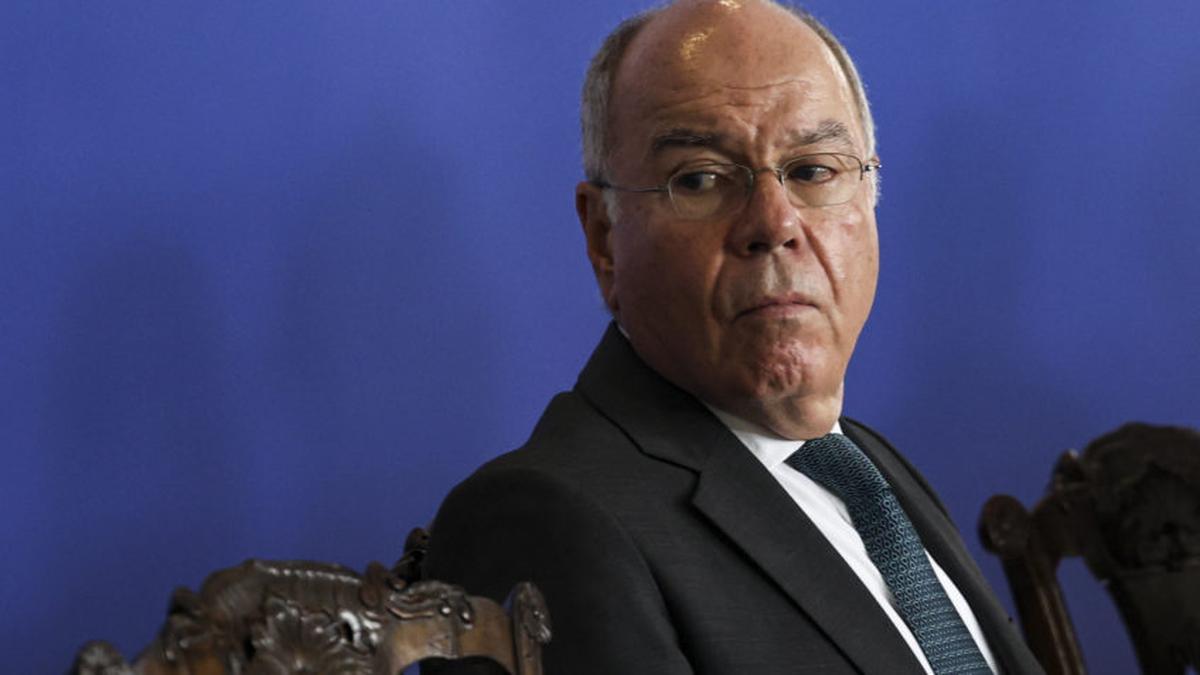
Furthermore, Chancellor Mauro Vieira emphasized the focus on the sectors most affected by the tariffs, reinforcing the need for rapid and balanced solutions.
Key Points Agreed Upon
Vieira confirmed that the teams set a calendar for strategic meetings, demonstrating commitment to building a solid and bilateral understanding.
According to him, the conversations will prioritize the most affected sectors, such as agribusiness, mining, and basic industry.
Additionally, a group of Brazilian representatives will travel to Washington in the coming days to continue the negotiations, strengthening the country’s technical and diplomatic presence.
The Itamaraty announced that the Presidency will closely monitor the next steps, which reinforces the political weight of the discussions.
Trump’s Tariff Cuts MS Beef in Half in the US, While China Expands its Dominance
ARTICLE CONTINUES BELOWSee also
European Parliament Approves Digital Euro, Aiming to Challenge Visa and Mastercard’s Dominance and Transform Payments Across Europe by 2029

Israel finds Hezbollah militarized tunnel over 200 meters long under village, with 4 missile launch shafts, 12 chambers, anti-tank missiles, drones, and weapons depots at a depth of 25 meters.

Ukraine launches largest drone attack on Moscow since 2022, Russia claims to have intercepted nearly 200 aircraft near the capital, Kapotnya refinery targeted again, and offensive reignites alert about war reaching the Russian energy heart just a few kilometers from the Kremlin.

Truck drivers, freight, and fines from 2022 take center stage in politics: Chamber approves MP with amnesty, mandatory tracking by CIOT, million-dollar penalties, and new minimum wage for those who spend more than 24 hours on the road.


Who Attended the Meeting
The Brazilian delegation included Mauro Vieira, Márcio Elias Rosa, executive secretary of the MDIC (Ministry of Development, Industry, Commerce and Services), and Audo Faleiro, special advisor to the Presidency.
On the American side, Scott Bessent, Secretary of the Treasury, and Jamieson Greer, U.S. Trade Representative, attended.
Secretary of State Marco Rubio did not attend, but was informed about the progress of the negotiations.
The meeting took place in Kuala Lumpur, in Malaysia, and was viewed as cordial and productive by both parties.
This environment keeps the diplomatic channel open and reinforces the intention for continuous dialogue.
Official Statements
Mauro Vieira stated that the delegations agreed to seek a fair and advantageous agreement in the coming weeks, demonstrating willingness and pragmatism.
He added that the new meeting schedule will allow for resolving tariff divergences more quickly and transparently.
Márcio Elias Rosa stated that the tariffs are unjust and based on weak arguments, highlighting that Brazil is acting firmly and technically.
According to him, the negotiations have already progressed significantly, and the political scenario is looking more positive after the direct dialogue between Lula and Trump.
Thus, the teams are optimistic about a balanced outcome in the coming weeks.
Political and Diplomatic Context
On the morning of Oct 26, 2025, Luiz Inácio Lula da Silva met with Donald Trump for 45 minutes, also in Kuala Lumpur.
The meeting, considered cordial, did not result in an immediate revocation of the tariffs, but opened the way for a future review.
During the conversation, Trump authorized his team to work together with the Brazilian negotiators, which signals openness to economic cooperation.
Shortly afterward, Lula explained that trade issues will be handled by ministers and secretaries, while political matters will remain under the direct responsibility of the presidents.
This separation, according to him, ensures focus, clarity, and predictability in bilateral negotiations.
Relevance of the Impasse
Even without an immediate suspension of the tariffs, the new schedule and the political commitment to progress reinforce confidence in diplomatic dialogue.
These measures increase the chances of a balanced agreement and reduce the impacts on the Brazilian economy.
Additionally, the technical conduct of the conversations and the cooperative tone show maturity in the trade relations between the countries.
Therefore, the negotiations continue to focus on concrete results and stability between Brazil and the United States.
With the resumption of meetings and the favorable political climate, will the upcoming rounds be able to unlock the tariff impasse and open a new commercial cycle between the two powers?