






 Portuguese
  Spanish
  5 min of reading
  0 comments


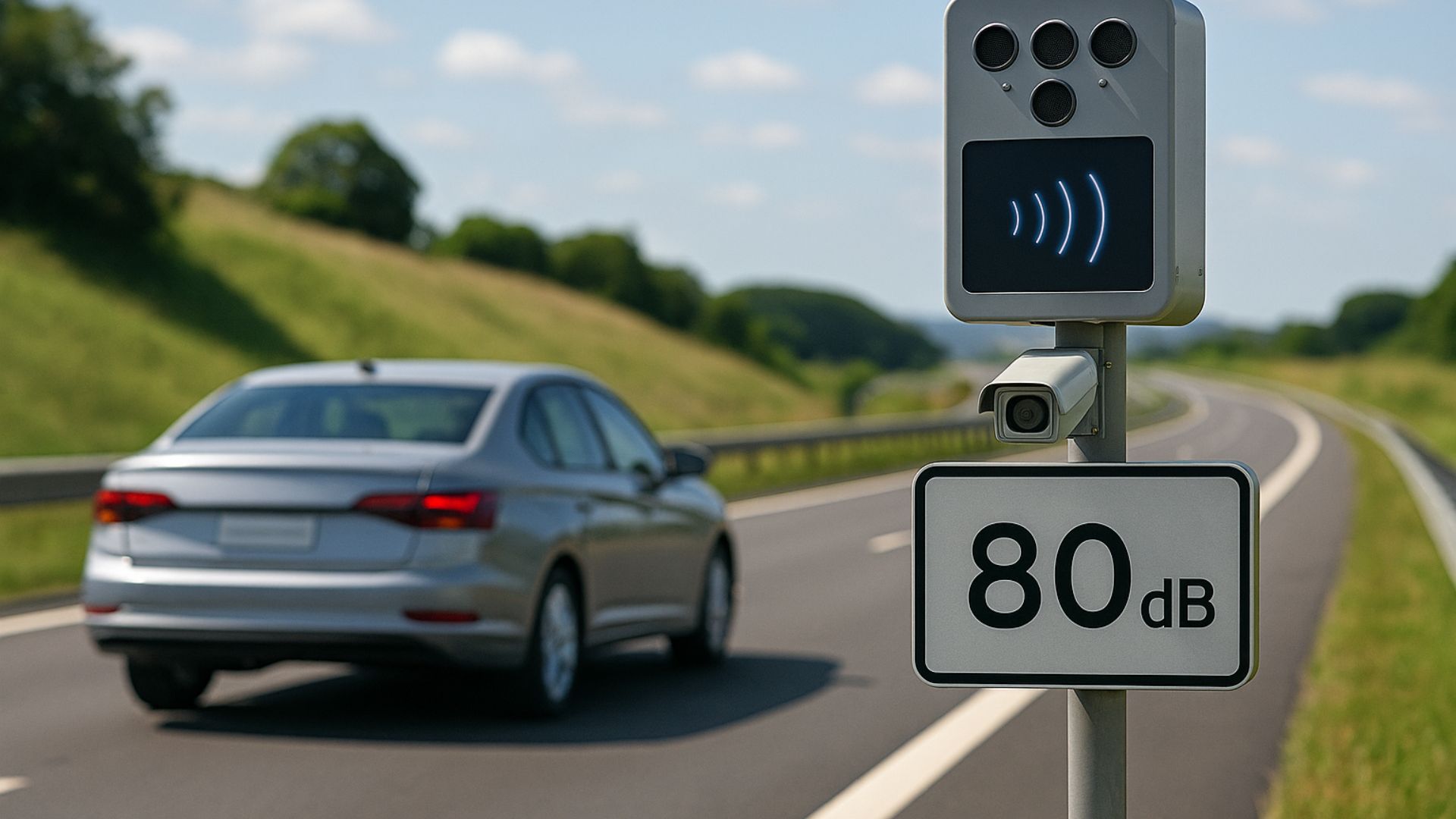
Experimental System That Measures Noise Instead of Speed Begins to Operate on Busy Road, Generates Interest From Other Cities and Opens National Discussion on Acoustic Enforcement in Traffic.
The Ring Road of São José dos Campos, one of the city’s main corridors, now has an anti-noise radar that promises to change the way of enforcement on the road.
Unlike traditional equipment, the system does not measure speed.
It records excess noise from vehicles and, after certification from Inmetro, it could generate fines of R$ 500 for those who exceed the limit of 80 decibels established by traffic regulations.
-
Brazilian Joins Homeownership Consortium, Faces Decade of Dual Payments Totaling $141,000, Surpassing Traditional Mortgage

-
Land Rover to Halt Production in July, Putting 371 Jobs at Risk, as Chinese Automaker Negotiates to Convert Factory to 100,000 Vehicles Annually by 2027

-
Mexican Pest Threatens U.S. Cattle Herds at Historic Lows, Potentially Boosting Brazilian Beef Exports as Burger Prices Soar

-
Brazilian Freight Bill Progresses in Congress with $5,000 Minimum Wage, 70% Advance Payment, and Fines Up to $1 Million, as Agriculture and Industry Warn of Rising Costs and Legal Uncertainty


Noise Enforcement on the Ring Road
Installed near the Aquarius Open Mall, the equipment operates in an experimental phase and integrates the municipality’s strategy to reduce noise pollution around the highway.
The city hall states that the decision was made after years of complaints from residents, particularly about motorcycles with modified exhausts or high-volume car sound systems.
The heart of the new radar is a kind of “acoustic camera”, composed of 21 microphones distributed along the road.
These sensors capture the sound reaching the road and, through triangulation, identify where the loudest noise is coming from.
When the system detects that a vehicle has exceeded the 80-decibel threshold, it automatically activates cameras that record the license plate and other details of the vehicle’s passage.
The information is stored for future citation and for studies on the acoustic behavior of traffic in the region.
Inmetro Approval and Data Use
For now, the operation is considered just a test.
The city hall uses the equipment to map the times of highest noise concentration, the types of vehicles most common among offenders, and the impact on the neighborhood.
The effective application of fines, set at R$ 500 per infraction, depends on the model’s approval by Inmetro, a requirement of Resolution 920 from the National Traffic Council for any non-metric automatic enforcement system.
This same regulation stipulates that the equipment must meet technical requirements defined by the highest executive traffic authority in the Union.
Legal Basis and Legal Questions
In the case of São José dos Campos, the legal basis used by the municipality is a local law that classifies excess noise as an infraction against public peace and urban order.
The intention, however, is to integrate this structure into traffic legislation.
The anti-noise radar aims, in practice, to automate infractions already provided for in the Brazilian Traffic Code, such as using irregular exhausts or free discharge and automotive sound above the allowed volume.
Currently, these practices result in citations classified as serious, with values around R$ 195.23 and even vehicle retention for regularization.
The point that generates controversy among traffic law specialists is how to link the new equipment to federal rules.
The Constitution states that it is the responsibility of the Union to legislate on traffic and transport, which includes defining infractions and means of enforcement at the national level.
Lawyers and scholars point out that there is still no specific regulation from Contran for noise radars, which leaves open the discussion about the legal validity of fines issued based on this type of system.
Experiences in Other Cities
In addition to the absence of its own technical standard, federal agencies have already been called to comment on other similar tests.
In Curitiba, for example, a noise radar has been operating since 2023 on a stretch of Avenida Victor Ferreira do Amaral, also integrated with a speed measurement device.
There, the system records images and videos of vehicles that exceed a pre-set noise level, but it is not yet used for citation precisely due to the lack of specific regulation from Contran, Conama, and Inmetro for automatic noise enforcement.
Even with these gaps, São José dos Campos’ experience has gained national relevance by taking technology to a road with high daily traffic, in a similar context to other Brazilian cities.
Reports of noise pollution associated with motorcycles with sports exhausts, sound cars, and vehicles with modified discharge systems are repeated in large and medium cities.
Municipal managers expect that the data collected by the radar will serve to support educational campaigns and adjustments to federal legislation.
Impact on Residents and Public Health
The discussion also involves health and the environment.
Studies from the World Health Organization and entities related to urban acoustics indicate that chronic noises above certain levels can increase the risk of cardiovascular problems, sleep disorders, stress, and loss of quality of life in densely populated areas.
In cities crossed by busy road corridors, such as the Ring Road of São José dos Campos, the combination of intense traffic and altered exhausts amplifies this impact on residents living by the roads.
Hope for Technology Expansion
Although the system is still in the adjustment phase, other municipal administrations are closely monitoring the tests.
Curitiba continues to operate its noise radar on an experimental basis, and municipalities from different regions are studying similar models, awaiting a clearer position from federal agencies on technical parameters, approval, and how to classify infractions in the Traffic Code.
For manufacturers, the establishment of a national rule could open space for an acoustic enforcement network across various highways and avenues with heavy traffic.
While the legal debate remains unresolved, drivers using the Ring Road are coexisting with the new equipment installed at the roadside, knowing that their passages are now monitored not only by the speedometer but also by the noise volume their vehicles produce.
Will this scenario drive behavioral changes or stimulate a broader national discussion on the future of acoustic enforcement?





-

-

-

-

7 people reacted to this.