






 Portuguese
  Spanish
  3 min of reading
  0 comments


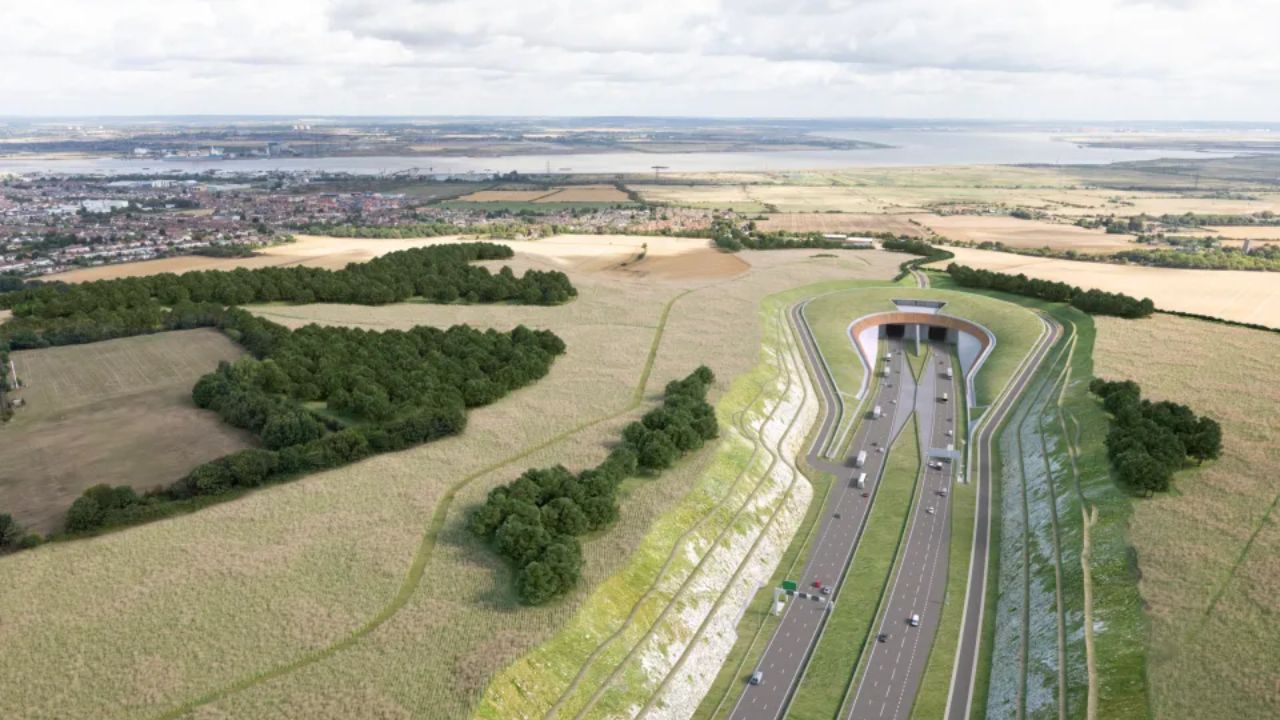
£9 Billion Project Promises to Reduce Congestion, Shorten Travel Time Between Essex and Kent by Up to 46% and Inject £40 Billion into the UK Economy.
Have you ever imagined cutting travel time between Essex and Kent in half and, on top of that, injecting billions into the British economy? That’s exactly what the Lower Thames Crossing promises. With an estimated cost of £9 billion, this road tunnel — which will be the longest in the UK — is set to relieve one of the worst traffic bottlenecks in the country.
If you’ve ever been stuck in the chaotic traffic of the Dartford Crossing, you know just how frustrating that is. Now, imagine having a quick and efficient alternative? With this new underground link, millions of drivers will have a smoother route, and goods will be able to reach their destination without those endless delays.
What Is the Lower Thames Crossing?
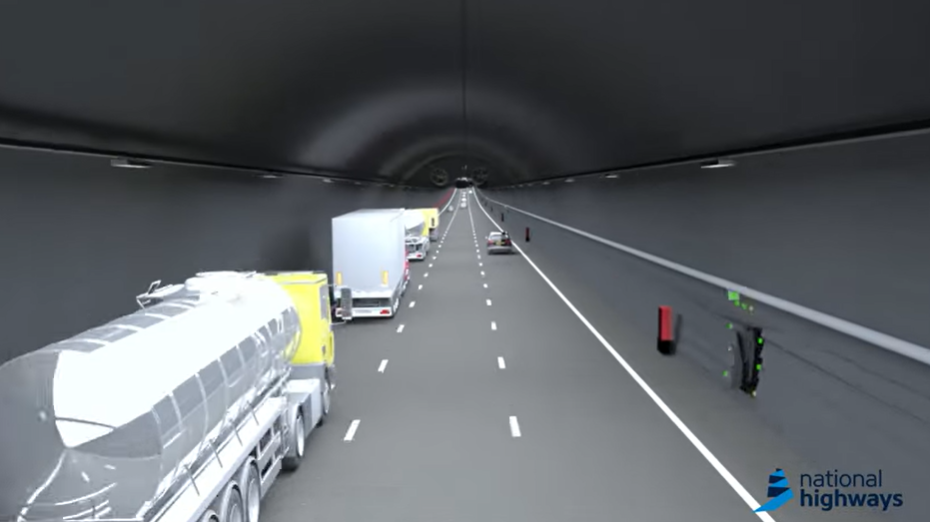
The Lower Thames Crossing is an infrastructure project that will fundamentally change the game for those who need to cross the Thames without a headache. The new route will be 23.9 km long and will connect Tilbury in Essex to Medway in Kent, passing underneath the river.
-
Couple trades four-bedroom house in Canada for a retired school bus costing less than $7.5k bought on Facebook, dismantles the vehicle down to the screws, and transforms the yellow scrap into a luxury home on wheels, with a bedroom, bathroom, kitchen, and handmade skylight.

-
Tired of seeing residents sleeping on the streets, a U.S. city approved a village with 55 micro-houses, rent starting at $300, and an 1880 school transformed into a community center to accommodate people without requiring a minimum income.
-
Mato Grosso inaugurates the first 162 km stretch of the largest railway project underway in Brazil, with around R$ 5 billion invested to transport 10 million tons of grains per year to the Port of Santos.

-
Without money to pay rent and without an architect’s degree, a man took a chisel, chainsaw, and hammer, carved a house into the hillside, and built a fairy-tale dwelling that looks like it’s straight out of The Lord of the Rings in just four months for less than R$ 25,000.





The idea is to integrate this crossing with the main highways in the area: A2 and M2 in Kent, as well as A13 and M25 in Essex. It may sound technical, but the logic is simple: this connection will make transport between London and the ports of Dover much more efficient.
And why does this matter? Because Dover is responsible for half of the goods traded between the UK and continental Europe. In other words, we’re talking about a massive impact on foreign trade and everyone’s wallet.
How the Longest Road Tunnel in the UK Will Reduce Travel Time?
If there’s one thing no one can stand, it’s being stuck in traffic. Today, the Dartford Crossing operates well above capacity, causing daily bottlenecks and delays of hours. The new tunnel aims to alleviate this situation by diverting 13 million vehicles per year to a new route.
This means that:
The travel time through the Dartford Crossing could decrease by up to 30%.
The connection between Essex and Kent could be up to 46% faster.
Trucks and freight vehicles could save up to two hours on the journey.
Less time in traffic means less stress, less fuel wasted, and more efficiency for companies that rely on road transport. In the end, everyone wins.
Economic Benefits of the Tunnel
If you think this tunnel is “just” about transport, think again. It could inject £40 billion into the UK economy and bring a range of advantages, such as:
The construction of the tunnel will generate thousands of jobs, from workers and engineers to suppliers and local merchants. And when more people are working, more money circulates.
With the shorter route to the ports, products like fresh Scottish fish can be delivered quickly without losing quality. This helps companies stay competitive in the international market.
Less time in traffic = less money spent on fuel and delays. This impacts the cost of products, which can become cheaper for the end consumer.
Funding and Challenges of the Project
But, as nothing comes for free, the question arises: who will fund this gigantic project? The British government has already signaled that private investments may come into play, and Chancellor Rachel Reeves has made it clear that the project is on the radar.
However, there is still one important detail missing: the approval of the Secretary of State for Transport, Heidi Alexander. The final deadline for this decision is May 23, and only then will we know if the tunnel will really become a reality.
If everything goes well, construction could start in the next few years, but bureaucratic and environmental challenges may still delay the schedule.





-

-

2 people reacted to this.