






 Portuguese
  Spanish


Road trip between Rio de Janeiro and Belém exceeds two days on the road, connects different regions of the country, and reveals the logistical complexity of one of the most extensive routes of Brazilian land transport, with thousands of kilometers traveled, dozens of cities along the way, and continuous operation along federal highways.
Among the longest interstate routes in the country, the road connection between Rio de Janeiro and Belém exceeds 3,000 kilometers and can take more than two full days of travel, depending on the contracted itinerary, road conditions, and operational stops made along the way.
Bus trip between Rio and Belém can exceed 50 hours
On ticket sales platforms and road consultation systems, the distance between the two capitals appears in the range of 3,080 km to 3,200 km, a difference considered common in trips of this magnitude due to variations in route, connections, and stop points planned by operators.
In practice, the journey often exceeds 50 hours on the road and, in certain commercial combinations, can approach 60 hours, especially when the passenger faces vehicle changes, prolonged interruptions for rest, or route changes motivated by operational factors.
-
Artesian Well Becomes Lifeline for Small Brazilian Farm: Drilling Reaches 60 Meters, Finds Marble, Navigates Rock Fissures, and Strikes Fresh Water

-
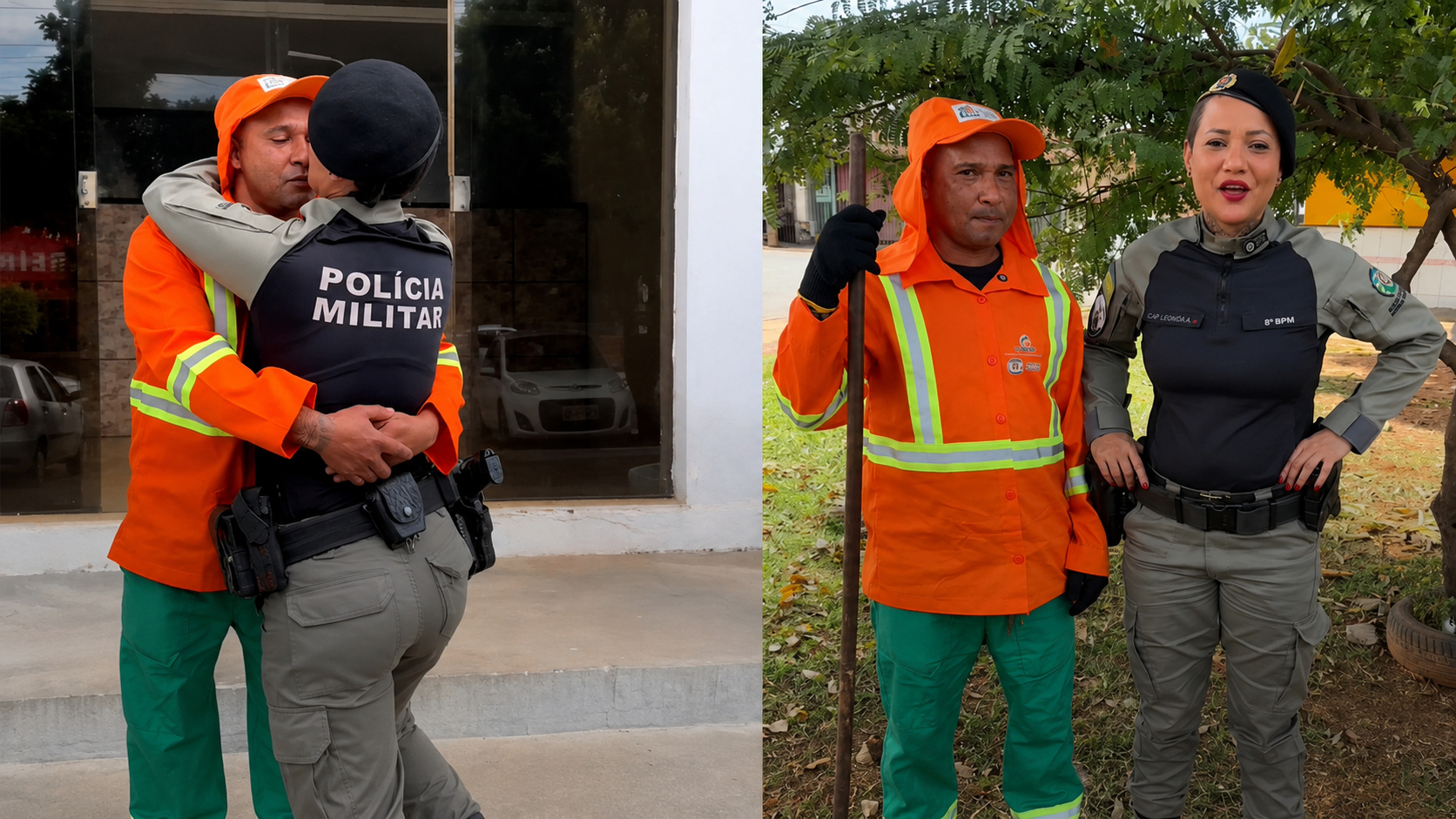
Street Cleaner in Brazil Finds Discarded Books That Helped His Wife Pass Civil Service Exam and Become Police Captain
-
July’s Night Sky to Feature Planetary Alignments, New Moon, Venus at Sunset, Buck Moon, and Two Meteor Showers

-
Fisherman Catches 18kg Catfish Near Brazil’s Itaipu Lake, Among Largest Recorded in Recent Years



The route starts from the Novo Rio Bus Station, in the capital of Rio de Janeiro, and goes to the Belém Bus Terminal, in Pará, connecting the Southeast to the North through a network of federal highways used daily by passengers, cargo, and regional services.
Logistical operation requires constant maintenance and monitoring
To keep an operation of this size running, companies need to organize driver schedules, control shifts, schedule refueling, and perform constant preventive maintenance, as the bus crosses regions with very different conditions of climate, terrain, and traffic intensity.
Inside the vehicles used for long-distance travel, resources such as air conditioning, restroom, reclining seats, and individual outlets help reduce passengers’ physical wear, although the level of comfort still varies according to the category purchased, the available fleet, and the standard of the responsible company.
In addition to the mechanical structure, many operators use real-time tracking systems to monitor location, speed, and possible route deviations, especially in stretches far from major urban centers and with infrastructure considered more limited for long trips.
States crossed change according to the travel itinerary
Although the journey is often advertised as a route that crosses five states, this information requires caution because the route between Rio de Janeiro and Belém can change depending on the authorized route, the operating company, and the connections sold to the passenger.
In direct or semi-direct services between the two capitals, the route usually crosses different Brazilian regions and uses road corridors that connect the Southeast to the eastern Amazon, including strategic cities for boarding, disembarking, and operational support along the journey.
The reference to more than 30 cities along the way also depends on the commercial schedule, as not every municipality cut by the highway receives a formal stop, and not every stop corresponds to regular passenger boarding.
Line between Rio de Janeiro and Belém does not change time zone
Despite the length of the journey, Rio de Janeiro and Belém follow Brasília time, as does Maranhão and much of the routes used in this connection.
Therefore, the statement that the route crosses two time zones was not confirmed with certainty.
This correction is important because Brazil has more than one official time zone, but the connection between the two capitals, on the routes usually informed, does not require the passenger to adjust their clock during the trip.
Road transport maintains connection between regions of the country
Even with the expansion of air transport, the bus still represents an important alternative for many passengers, especially as it allows boarding in intermediate cities, transportation of larger luggage volumes, and more affordable costs for long-distance travel.
Along thousands of kilometers of road, gas stations, restaurants, bus terminals, and small businesses end up depending on the continuous circulation of these vehicles, which help to stimulate local economies even when the journey is perceived only as a connection between capitals.
The route also fulfills a territorial integration function, as it brings families, workers, and students from distant regions closer, maintaining a land connection between urban areas, medium-sized cities, and inland municipalities.
In a country of continental dimensions, journeys like Rio de Janeiro–Belém show how road transport still supports an important part of national mobility, even when the route requires planning, endurance, and many consecutive hours on the road.


