





 Portuguese
  English
  Spanish
  5 min of reading
  0 comments


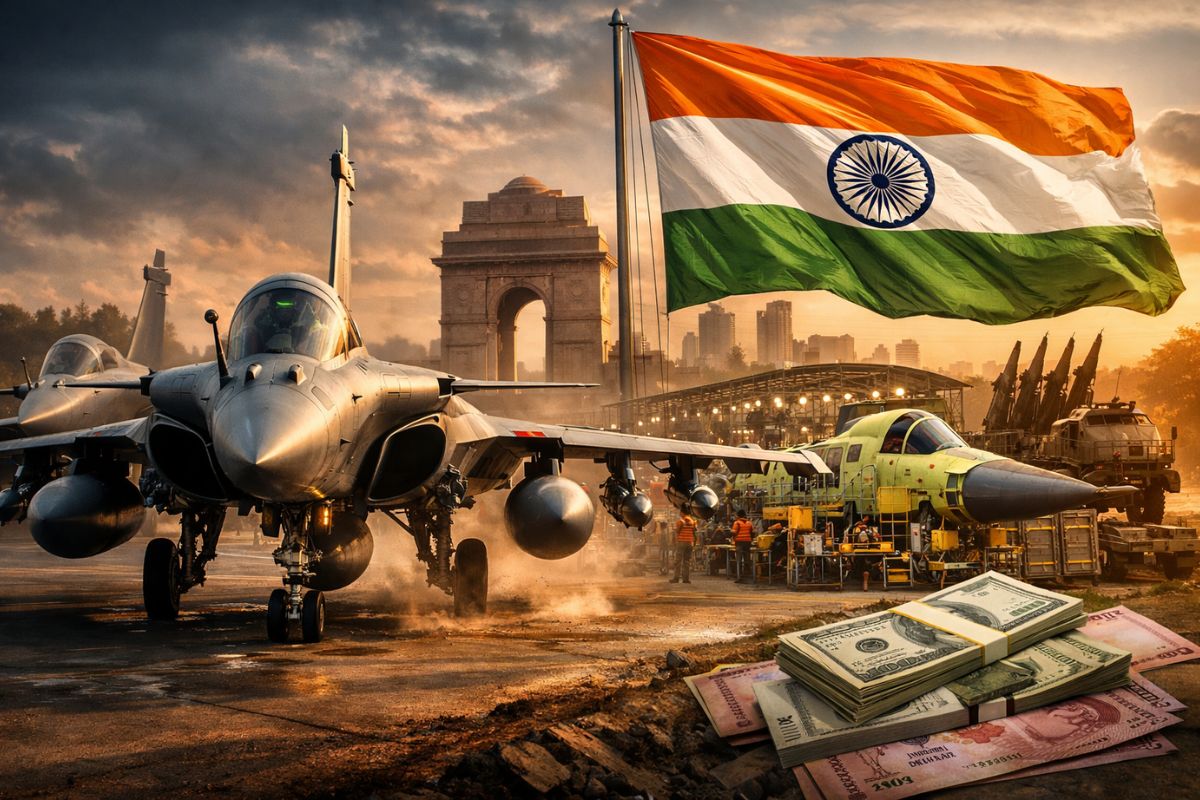
India Approved in January 2026 the Purchase of 114 Rafale Fighters from France for US$ 39 Billion, About R$ 204 Billion, and Linked 30% of the Content to Make in India, in a Move to Reduce Military Dependence on Russia and Redesign Logistics, Maintenance and Alliances in South Asia
India formalized in January 2026 one of the largest recent defense commitments by approving 114 Rafale fighters from France for US$ 39 billion. The amount is staggering, but the logic behind it is strategic, focusing on modernization, local production, and autonomy.
The announcement is also a message of repositioning. By linking part of the contract to Make in India and citing reducing military dependence on Russia, India seeks to balance operational urgency with industrial policy, in a region where China and Pakistan continue to be a permanent reference of risk.
What Was Approved and Why the Timing Became a Message
The approval in January 2026 was formalized by the Indian Ministry of Defense and coincided with the visit of French President Emmanuel Macron to the country.
-
With 141 votes at the UN, a campaign initiated by Pacific students transforms the International Court of Justice’s climate opinion into global pressure for legal obligations against the climate crisis.

-
400 km from Earth, China will plant rice in space for the first time in history in two consecutive generations to test if the grain survives outside the planet.

-
Chinese scientists create a material inspired by penguins that absorbs 94.5% of solar energy in the cold, reflects more than 90% of light in the heat, and also promises to reduce energy consumption in buildings without extra electricity.
-
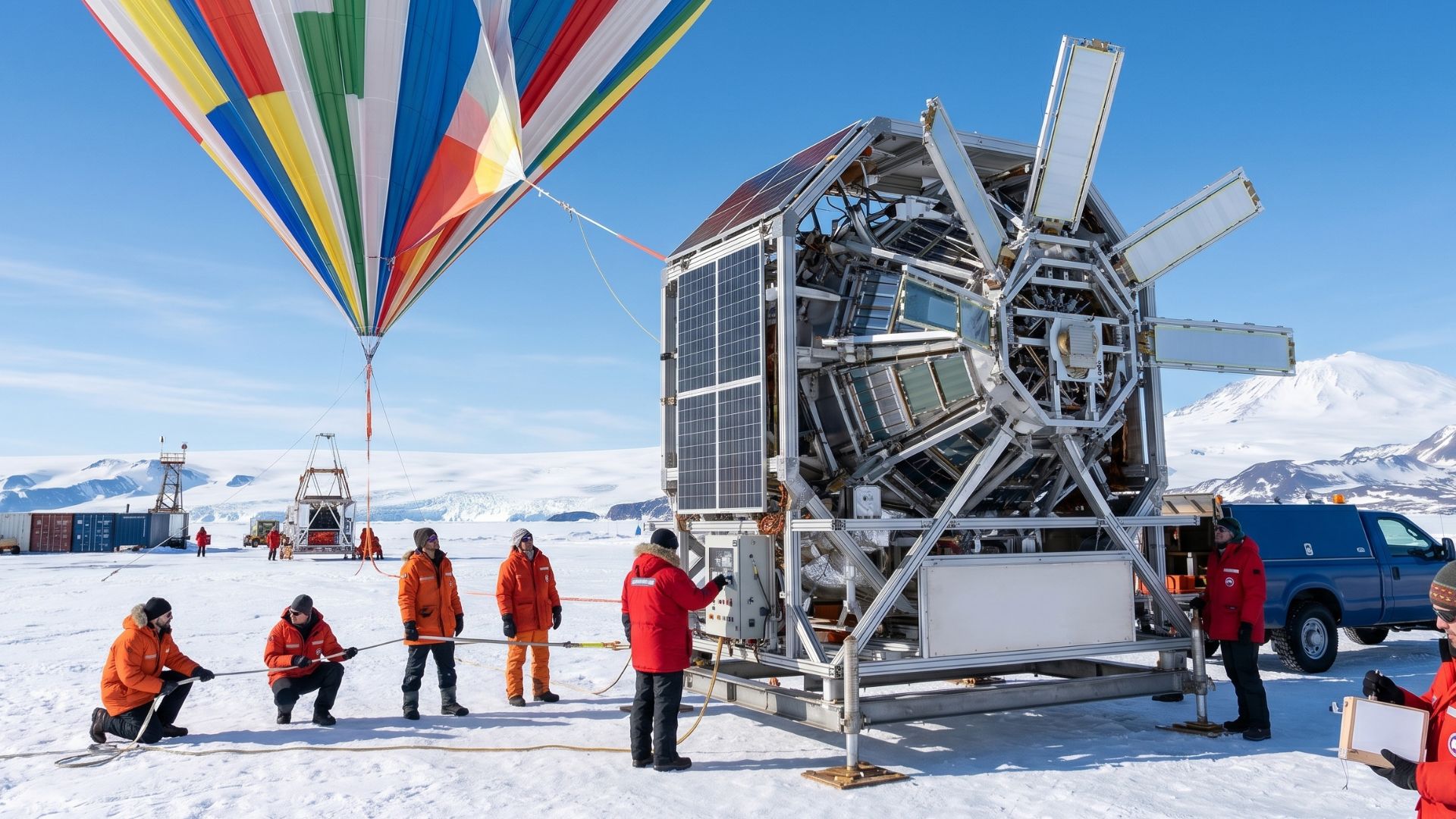
Balloon the size of a stadium spends 25 days alone over Antarctica at nearly 37 km altitude and returns with data on cosmic antimatter that may reveal one of the rarest clues ever sought about the existence of dark matter.


This scheduling alignment transforms the purchase into a diplomatic signal, as it places France and India in the same cooperation framework at the moment of the announcement.
The package involves 114 Rafale fighters from France and a total cost of US$ 39 billion, treated as an investment to strengthen defense capability.
The size of the contract also explains why the discussion moved from the technical field to a debate about priorities, especially when India states that the move helps reduce military dependence on Russia.
Make in India and the 30% Local That Changes the Conversation from Purchase to Industry
Make in India becomes a central piece by promising that about 30% of the content will be produced locally.
It’s not just assembly, it’s an attempt to pull manufacturing, supply chains, and industrial learning into Indian territory, reducing the pure import cycle.
By placing Make in India at the heart of the project, India signals that the contract for the Rafale fighters from France also seeks maintenance infrastructure and technical support.
This detail often determines the real cost over the years, as the ability to maintain aircraft in operation weighs as much as the initial purchase of US$ 39 billion.
What the Rafale Delivers and Why India Bets on This Model
The Rafale is described as a twin-engine, multifunctional fighter, capable of air superiority, precision strike, and reconnaissance.
The word multifunctional matters, because the same platform can cover different missions and reduce the need for various parallel platforms.
The mentioned model also features an AESA radar and electronic warfare systems, in a package aimed at complex environments.
India also seeks to replace an obsolete fleet and face challenges in South Asia, with China and Pakistan as neighbors that pressure planning.
In this scenario, 114 Rafale fighters from France enter as a short- to medium-term response.
The Shift to Reduce Military Dependence on Russia and the Political Cost of the Past
India has a history of dependence on military equipment from Russia and is now trying to diversify suppliers.
The shift doesn’t happen overnight, as stock, training, and parts create long ties, but the contract for the Rafale fighters from France becomes a symbol of this change.
By openly stating the goal of reducing military dependence on Russia, India opens space for new partnerships, such as France, the United States, and Israel, as the referenced source describes.
This diversification may reduce the risk of supply interruption but also increases the complexity of integration and management of different technological standards.
The Billion-Dollar Price, Maintenance, and What Tends to Matter More Than the Signature
The figure of US$ 39 billion attracts more attention than any technical term, but the spending doesn’t end with the signature.
What determines success is the availability rate, and this depends on maintenance, parts, training, and support, precisely the items that Make in India seeks to absorb locally.
There’s also a chain effect for the industry.
When India promises 30% local, it creates expectations for technology transfer and the establishment of a productive base, while simultaneously taking on the challenge of controlling quality and deadlines.
If the goal is to reduce military dependence on Russia, the real test will be to keep the Rafale fighters from France operating stably without relying on emergency import solutions.
What Remains Open on the Path to 2026 and the Regional Impact
The decision of January 2026 still leaves questions about the timeline, pace of local production, and how Make in India will be implemented in practice, as local content can range from simple parts to more critical systems.
The ambiguity is where the debate gets interesting, because the percentage alone doesn’t reveal technological depth.
On the regional board, the purchase of 114 Rafale fighters from France can be read as a deterrent message and an attempt to rebalance dependencies.
India aims to reduce military dependence on Russia but also needs to prove that diversification doesn’t create logistics bottlenecks. If the promise of shortening the path to autonomy fails, the political cost of US$ 39 billion will become an argument against new rounds.
The purchase of 114 Rafale fighters from France for US$ 39 billion, approved by India in January 2026, blends defense, industry, and diplomacy.
Make in India appears as the bet to transform purchase into capability, while reducing military dependence on Russia is sold as a correction of historical course.
In your view, what matters more in decisions like this: the military urgency against China and Pakistan, the chance to create an industry with Make in India, or the risk of tying up US$ 39 billion in a project that may take time to deliver real autonomy?




-

-

-

3 people reacted to this.