Portuguese
  Spanish


China takes rice seeds to the Tiangong station to test, for the first time, two consecutive generations of the grain in orbit and understand how microgravity can affect genetic stability, production, and long space missions
The Shenzhou-23 docked at the Tiangong space station early this Monday (25th), 400 kilometers from Earth, carrying three astronauts and 54 kilograms of scientific experiments, including rice seeds that will be used by China in the first cultivation of two consecutive generations of the grain in orbit.


Rice in space seeks to understand effects of microgravity
The experiment aims to assess how prolonged microgravity interferes with the genetic stability of rice and the plant’s ability to maintain its biological identity after generations born and raised outside Earth.
The seeds taken by Shenzhou-23 are virgin samples, with no history of space flight. The study focuses on the molecular mechanisms linked to the multi-generation genetic stability of rice and the regulation of the plant’s environmental adaptability in space.
-
Six Helicopters to Drop 550 Tons of Poison on Island Near Antarctica to Eradicate Mice Threatening Albatrosses and 19 Seabird Species.

-
Russia Unveils Poseidon: A 20-Meter Nuclear Torpedo-Drone with 10,000 km Range, 185 km/h Speed, and 100-Ton Capacity Threatening Coastal Cities with Radioactive Waves
-
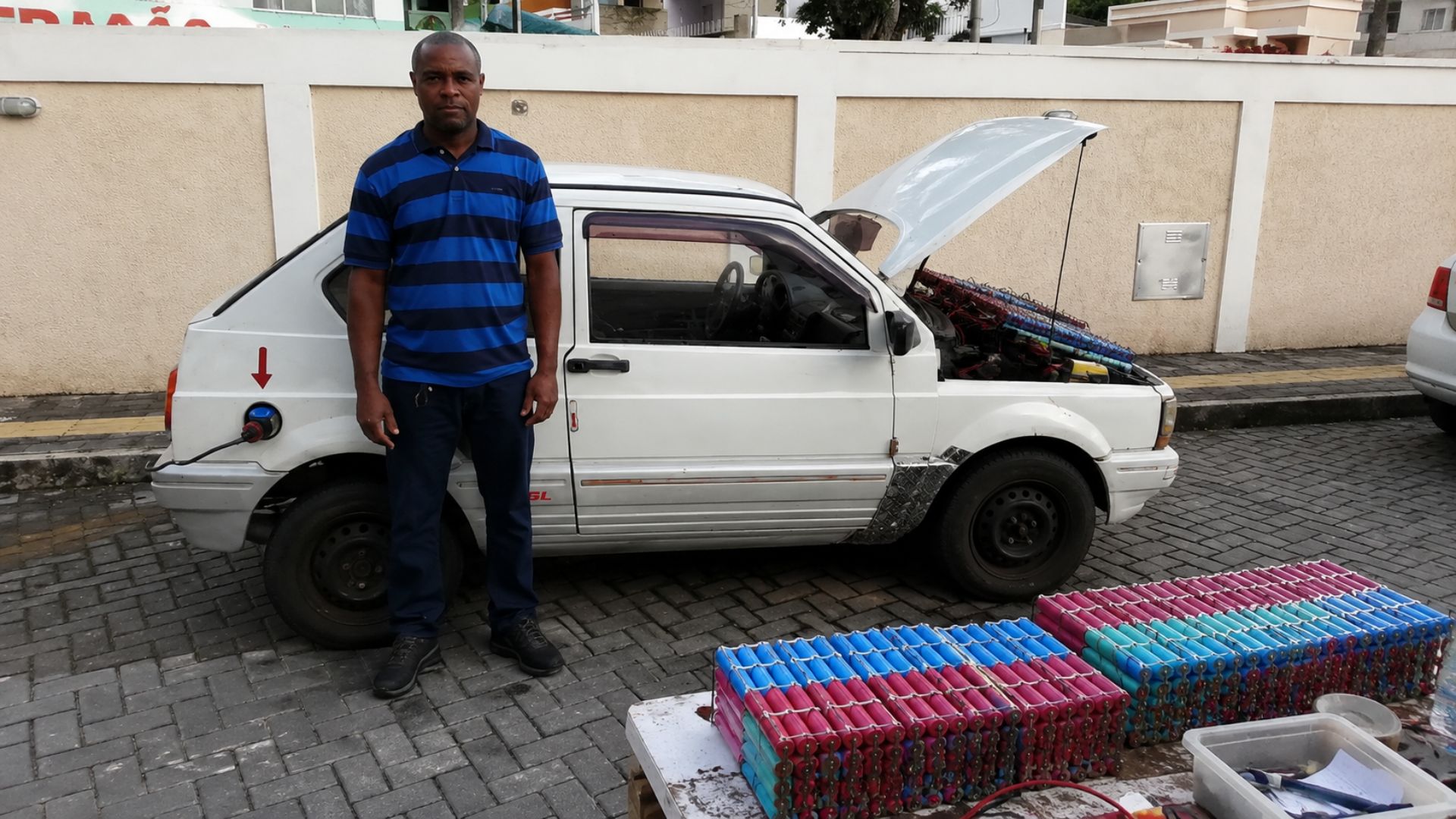
Brazilian Innovator Converts Old Car into Electric Vehicle Using Laptop Batteries and Forklift Motor, Achieves Nearly 90 km/h in Urban Settings

-
Samsung Unveils Smart Oven with Built-In Camera, AI Food Recognition, and Real-Time Monitoring via Smartphone.



Professor Zheng Huiqiong, from the Center of Excellence in Molecular Plant Sciences at the Chinese Academy of Sciences, told Xinhua that the goal is to understand the effects of microgravity on the rice production process, considered necessary for crews on long-duration deep space missions.
Cang Huaixing, a researcher at the Center for Technology and Engineering for Space Utilization of the Chinese Academy of Sciences, highlighted that it will be the first time that two consecutive generations of rice will be cultivated in orbit.

Mission expands research initiated by China in 1987
China has been researching the behavior of rice in orbit since 1987. In 2022, during the Shenzhou-14 mission, scientists managed to complete the first life cycle of the plant in space.
On the occasion, seeds germinated, grew, blossomed, and produced new seeds in 120 days. The sprouts reached 30 centimeters in height, marking an important stage for Chinese space agriculture.
The new experiment seeks to advance beyond this result. The difference now is to monitor not just one generation, but also its descendants, to observe possible effects of prolonged exposure to the orbital environment.
One of the three astronauts of Shenzhou-23 will remain for 12 consecutive months on Tiangong, a sufficient period to follow the complete cycle of the two generations of rice planned in the study.
The importance of rice explains the weight of the experiment
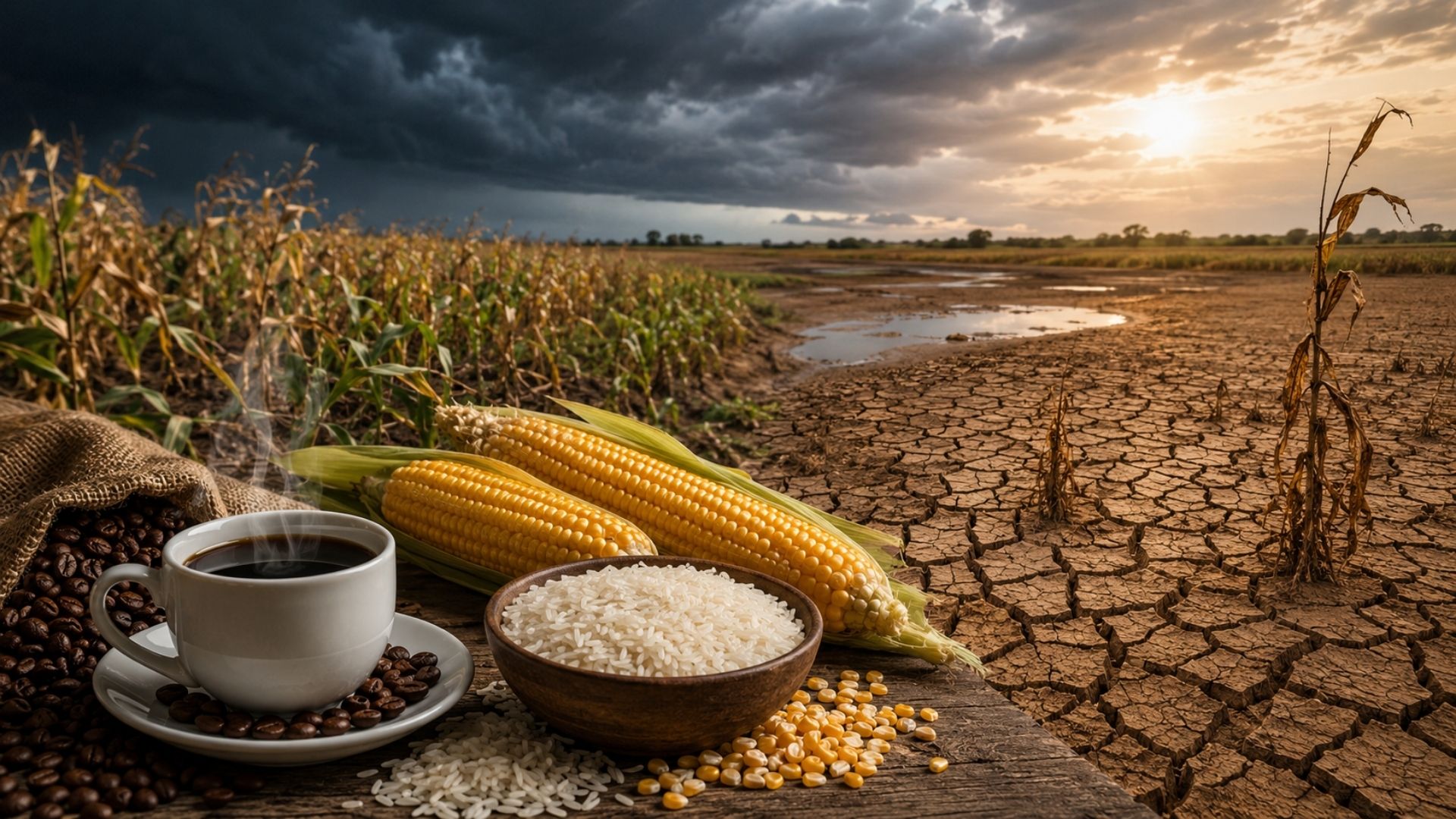
Rice has central importance for China. The country is the largest producer and the largest consumer of the grain in the world, with a consumption of about 210 million tons.
This volume surpasses the combined production of Indonesia, Vietnam, Thailand, and Myanmar. Together, China and India account for 57% of global rice consumption and 59% of production.
Data from the U.S. Department of Agriculture indicate that, without the Chinese strategic reserve, the global stock-to-use ratio of rice would fall to 19.7%, close to the minimum food security limit of 17% established by the FAO.
China’s relationship with the grain is ancient. Excavations along the Yangtze River indicate rice cultivation at least 9,000 years ago, including records associated with the Hemudu people, in the current province of Zhejiang.
Results may influence varieties adapted to difficult environments
The history of space research with seeds already has applications on terrestrial soil. Researchers from Qingdao use seeds irradiated in previous missions to develop the so-called sea rice.
These varieties are aimed at saline soils and, in four years, occupied 6.67 million hectares that were previously unproductive. Countries like the United Arab Emirates have already started partnerships to adapt these varieties to arid regions.
In 2024, China’s total grain production exceeded 700 million tons for the first time. The per capita possession reached 500 kilograms per inhabitant, 25% above the internationally recognized food security line.
This article was prepared based on information from Xinhua, the Chinese Academy of Sciences, the U.S. Department of Agriculture, the FAO, and the base material provided, with data, numbers, and statements preserved as per the consulted material.