






 Portuguese
  Spanish


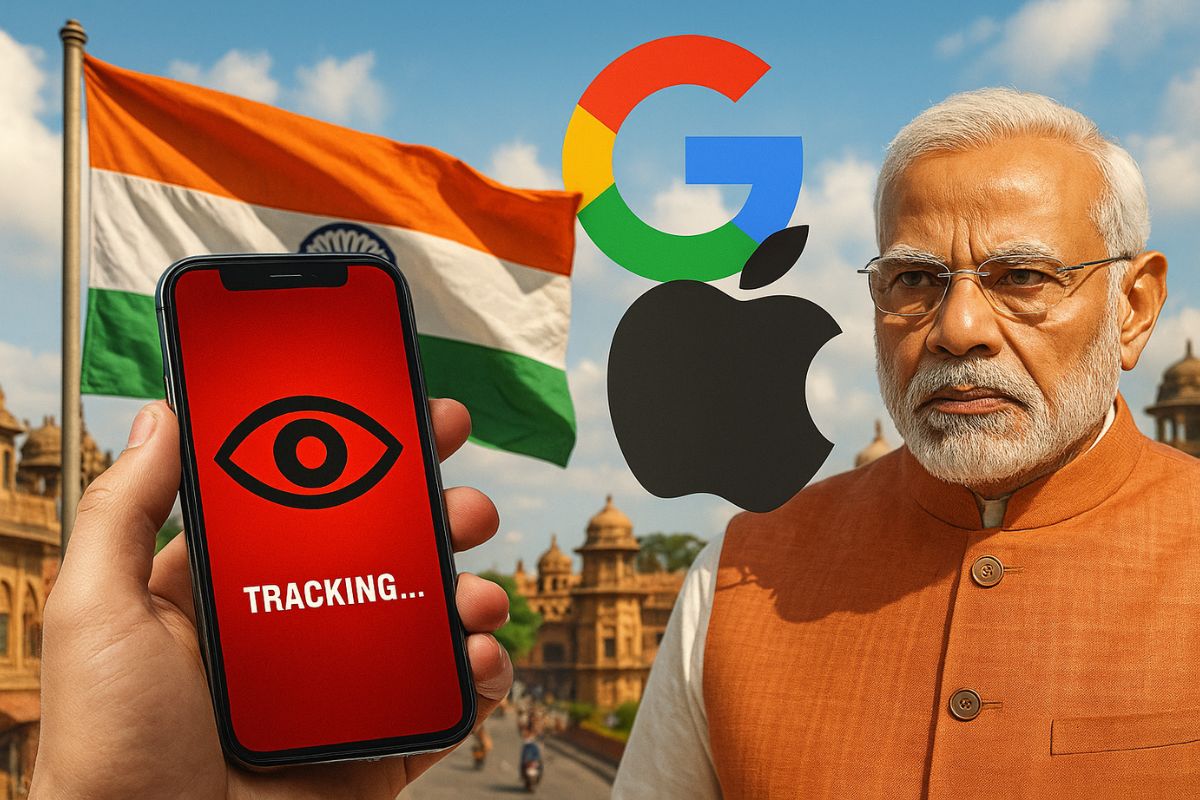


India Requires Installation of State App on New and Old Mobile Phones, Mandating Sanchar Saathi Pre-Installed and Sent via Update, with Access to Calls, Memory, and Camera; Government Claims to Combat Fraud and Recover Devices, While Experts See Increased Surveillance and Confrontation with Apple, Google, and Users in and Outside the Country
India requires the installation of a state app on mobile phones by mandating that the Sanchar Saathi comes pre-installed on new devices and is sent via update to those already in use, with access to calls, memory, and camera in a market with over 700 million users.
The decision by the Ministry of Telecommunications shifted from a voluntary solution against fraud to a factory requirement and places Prime Minister Narendra Modi’s government on a collision course with Apple, Google, and other smartphone and operating system manufacturers.
Cybersecurity App Becomes Factory Requirement
Under the new directive from the Ministry of Telecommunications, manufacturers such as Apple and other brands operating in the country will have to ensure that Sanchar Saathi comes installed by default on all devices sold in India.
-
16-Year-Old from Brazil’s Sertão Wins Young Scientist Award for AI Predicting Rainfall with 94.5% Accuracy to Aid Farmers

-
Netherlands Reports First Child Euthanasia Case Since Rule Expansion for Minors

-
Brazilian Innovator Survives Homemade Submarine Dive in Paraty Despite Hatch Leak and False Oxygen Alarm
-
China Develops Custom 140-Ton Electric Mining Truck with 770 kWh Swappable Battery, Deploys 290 Units in Xinjiang’s Largest Zinc Mine



According to the government, the measure aims to curb the misuse of telecommunications resources for cyber fraud and strengthen cybersecurity in the sector.
The ministry further mandated that manufacturers make the app easily accessible in the initial setup of the device, without the option to disable or limit its functionalities during this process, effectively making the software a mandatory presence in the user’s first experience with the smartphone.
Sanchar Saathi Monitors Sensitive Device Activities
According to its own privacy policy, Sanchar Saathi has access to the call log, internal memory, and camera of the mobile phones on which it is installed.
Experts believe that the combination of access to such sensitive data with a government-mandated installation requirement increases the potential for state surveillance over the population.
The same app is also promoted as a tool to locate lost or stolen devices.
The government states that since its launch for voluntary use earlier this year, over 700,000 lost smartphones have been recovered with the help of the system.
From Voluntary Solution to Obligation on Mobile Phones
Originally launched as an optional resource, Sanchar Saathi is now moving to another level.
By determining that the industry must include it by default and install it via updates on devices already in circulation, India mandates the installation of a state app and makes the program a permanent layer of the country’s mobile ecosystem.
For the cells that are already in use, the ministry wants manufacturers to distribute the app via software updates within three months.
The directive also stipulates that Sanchar Saathi can be used to track lost or stolen devices, integrating government control into practically the entire active base of Indian smartphones.
Experts Warn of Increasing Surveillance
Apar Gupta, director of the Internet Freedom Foundation, an organization advocating for online free speech in India, states that the directive represents a sharp and deeply concerning expansion of executive control over personal digital devices.
He argues that the government’s declared goal of combating fraud and strengthening telecommunications security may be legitimate, but the means chosen would be disproportionate, legally fragile, and structurally hostile to users’ privacy and autonomy in one of the world’s largest mobile phone markets.
Modi Government Speaks of Security and “Voluntary” Use
In the face of criticism, Communications Minister Jyotiraditya Scindia maintains that Sanchar Saathi will allow users to protect their privacy and be more secure against online scams.
In a recent statement, he asserted that the digital security of every citizen in the country is treated as a top priority by the government.
Scindia also claims that using the app is “totally voluntary and democratic” and that users can choose to activate the service and enjoy its benefits or simply delete it at any time.
The official promise of freedom of choice, however, clashes with the technical directive that requires the app to be pre-installed and active in the initial setup of devices.
Giant Market Pressures Apple, Google, and Manufacturers
The mandate that India requires the installation of a state app falls on a market with over 700 million mobile phone users and smartphone penetration of over 85% in households, according to a recent government survey.
In practice, the decision could extend the reach of Sanchar Saathi to practically every family in the country.
At the same time, the order creates yet another point of tension between Prime Minister Narendra Modi’s government and major technology companies.
Mobile manufacturers and operating system developers, such as Apple and Google, will have to decide to what extent they adapt to the Indian state’s surveillance demands to maintain access to one of the world’s most strategic markets.
In light of this scenario, India requires the installation of a state app and reignites the global debate on how far governments can go in the name of digital security without trampling on privacy rights.
And you, would you accept having a state app with access to calls, memory, and camera mandatory on your phone in exchange for more protection against fraud?









Sim