






 Portuguese
  Spanish
  3 min of reading
  0 comments


More than ten years after the failure of Google Glass, the company presents smart glasses with Gemini, camera in the frames, private audio in the temples, and compatibility with Android and IOS, while rivals like Meta, Snap, and Apple stir the sector.
Smart glasses will return to the center of Google’s strategy more than a decade after the failure of Google Glass. The company announced that the new model will hit the market in the fall, with a camera in the frames, speakers in the temples, and integration with Gemini.
The presentation took place on Tuesday, during the company’s annual developer conference. Google showcased two styles: one created by Warby Parker and another by Gentle Monster, marking the new attempt in the connected glasses sector.
Smart glasses will have Gemini, camera, and private audio
The new smart glasses will allow users to receive help throughout the day without using their hands and without taking their attention away from the environment. The proposal was presented by Shahram Izadi, a Google executive, during the event in Mountain View, California.
-
Helicopter Drops 180 Tons of Sand and Gravel on Swedish River to Revive Ecosystem Damaged by Decades of Exploitation

-
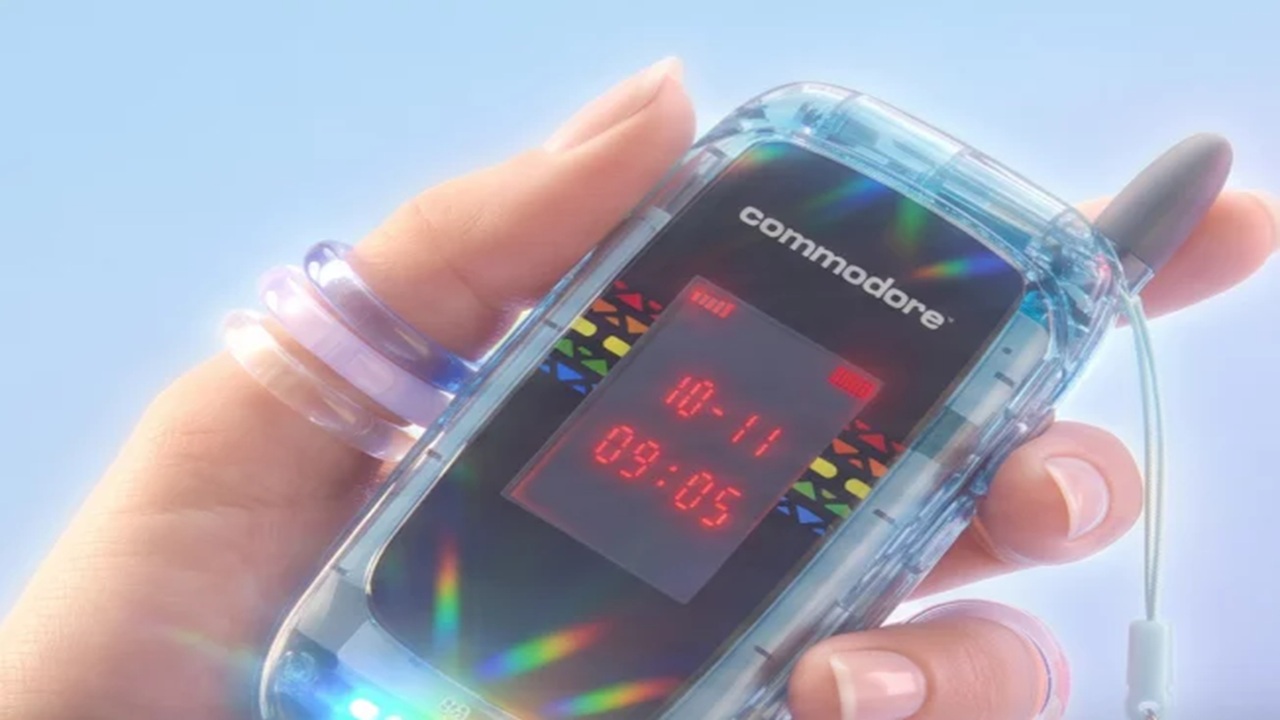
Brazilian Company Launches Retro Smartphone with 48 MP Camera, T9 Keyboard, and Privacy Features for Social Media-Free Use

-
Self-Taught Chinese Farmer Builds 5-Ton Submarine from Scrap, Launches It in Anhui River
-
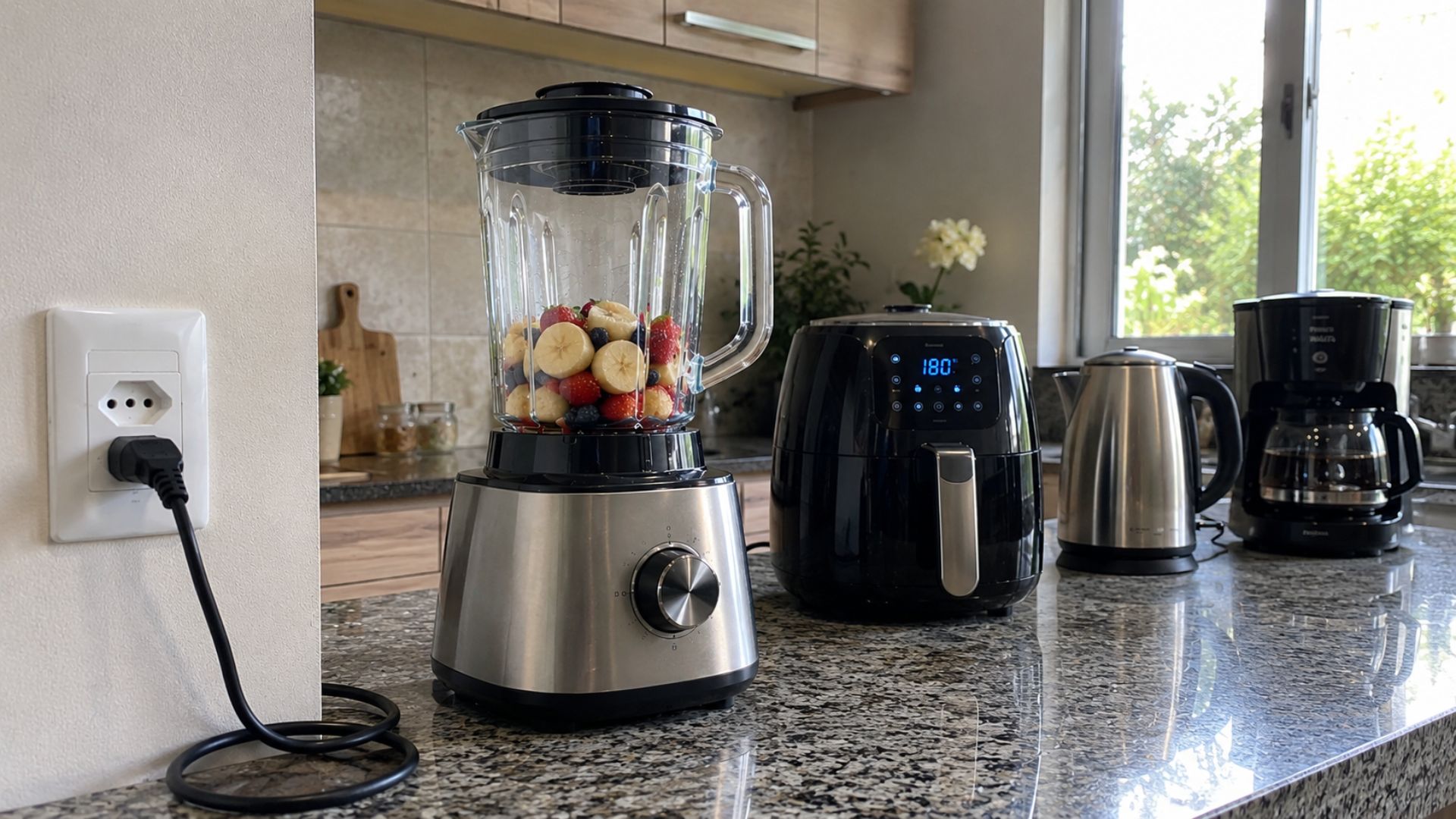
Invisible Induction Technology Enables Wireless Power for Blenders, Coffee Makers, and Air Fryers, Reducing Countertop Cables



According to Izadi, the glasses were designed to offer support with Gemini in a spoken manner, directly into the user’s ear, instead of displaying the answers on a screen. The device will work with Android devices and also with Apple’s IOS devices.
The company is also working on a version with a display in the lenses, capable of showing texts and information to the user. However, this model does not yet have a scheduled release. More details about the glasses with display are expected to be released later this year.
Google returns to the sector after the failure of Glass
The move comes more than ten years after Google Glass, launched in 2013 and withdrawn in 2015, just seven months after reaching the United Kingdom. At the time, the product faced negative reactions related to price and privacy.
The new functions resemble features already present in Meta’s smart glasses, which also combine a small camera, speakers, and voice communication with artificial intelligence. Meta claims that its Ray-Bans have already sold seven million units.
Privacy concerns, however, remain present. People have been filmed without realizing it in public and private spaces by users of Meta’s glasses, discovering the recordings only when the videos appear online.
Market attracts Meta, Snap, and Apple
Snap is also expected to launch a new version of its smart glasses this year, while Apple is reportedly working on such a product. For Christine Tsai, from 500 Global, Google’s return to the sector is positive.
The investor stated that the company’s entry benefits consumers and startups by creating a platform for new capabilities. Developer Anil Shah said that the product could integrate services like Google Maps and Google Voice, as well as facilitate searches for nearby events.





Be the first to react!