






 Portuguese
  Spanish
 3 min of reading
  0 comments



Partnership Between Uberlândia City Hall and Cemig SIM Offers Double Discounts on Electric Bills with Solar Energy by Subscription, No Panel Installation and Digital Enrollment.
Solar energy is no longer a privilege for those who can invest in rooftop panels. In Uberlândia, a new partnership promises to change the way residents, businesses, and even rural producers consume electricity.
The City Hall and Cemig SIM launched an offer that guarantees aggressive discounts on electric bills, using clean and renewable energy without requiring the consumer to install anything at home.
The announcement comes at a time when energy prices are increasingly concerning Brazilians, making any promise of savings a hot topic.
-
Solar energy can increase property value by up to 10% and become a selling point.

-
Solar and wind energy surpass natural gas for the first time in the world and accelerate energy revolution

-
Africa has about 500,000 cell towers and most still burn diesel to operate, while companies rush to cover antennas with solar energy and avoid signal blackouts.
-
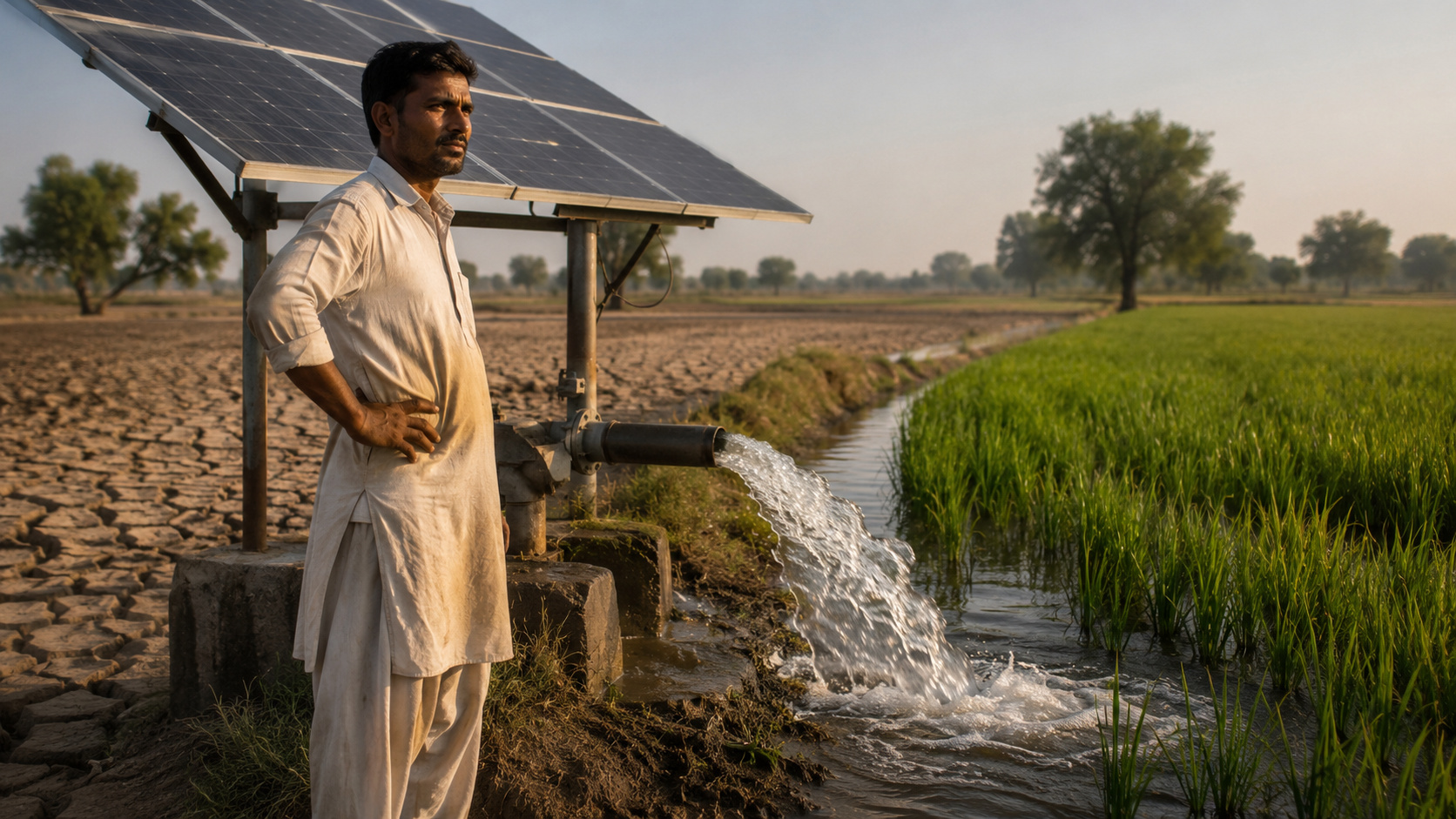
Farmers swapped diesel for solar panels in Pakistan, powered irrigation pumps almost cost-free, expanded rice fields, and now groundwater has become a red alert in the countryside.



Double Discount Draws Attention in the Solar Energy Market
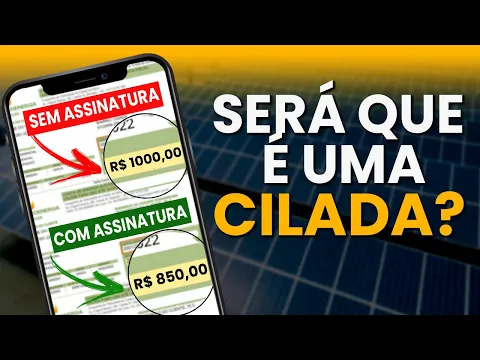
The main attraction of the initiative is the so-called “double discount.” In the first two months, those who enroll in the program can achieve savings of up to 32% on their electric bill. After that, the discount is up to 16% in the following months.
This condition applies to individuals and businesses with energy bills starting at R$ 160. In other words, a large portion of the population can participate.
Moreover, the model is solar energy by subscription, which eliminates traditional barriers like construction, equipment purchases, or financing.

How Solar Energy Works Without Panels on the Roof
Unlike the traditional model where the consumer has to install solar panels, this modality uses the shared distributed generation system.
In practice, solar energy is produced at Cemig SIM facilities. This electricity is then injected into the utility’s grid and transformed into credits, which automatically appear on the subscriber’s electric bill.
Everything happens without construction, noise, or initial investment. Enrollment is free and fully digital.
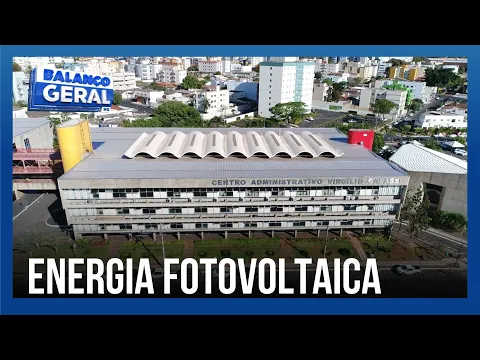
Before being opened to the public, the partnership between the City Hall and Cemig SIM was already used to supply public buildings with solar energy.
Now, the program has been expanded to residences, condominiums, businesses, and rural producers, significantly changing the initiative’s reach.
According to the municipal administration, the goal is to transform Uberlândia into a reference in energy efficiency and sustainability.
City Hall Advocates for Savings and Sustainability
Mayor Paulo Sérgio emphasized that the proposal goes beyond public management and directly impacts the lives of citizens.
“This initiative extends the benefits of clean energy beyond public administration, allowing the population to access a sustainable, economical, and simple solution. It is an action that combines care for the environment, efficient consumption, and more savings for families, businesses, and rural producers in our city.”
The statement reinforces the notion that solar energy can be a tool not only for environmental efforts but also for social and economic benefits.
Cemig SIM claims that the partnership accelerates the expansion of shared solar energy in Uberlândia and increases the population’s access to clean generation.
Since it began operating six years ago, the company has already prevented the emission of over 84 thousand tons of CO₂, according to its own data. This number is used to demonstrate the positive environmental impact of the model.
In addition, the company presents itself as a reference in sustainable solutions in the state of Minas Gerais.
Do you think that solar energy by subscription will really lower the electricity bill, or could this become another unfulfilled promise in the long run?





Be the first to react!