






 Portuguese
  Spanish





The switch from diesel to solar energy in Africa’s cell towers aims to reduce costs, protect rural communities, maintain emergency calls, mobile payments, and internet access even far from reliable electrical networks.
Africa has about 500,000 cell towers and most still rely on diesel to operate. This infrastructure keeps the signal in villages, roads, and rural areas where electricity does not always arrive reliably.
This information was published by AP News, an international news agency based in the United States. The data reveals a problem rarely seen by the common user: before the call reaches the cell phone, there is a tower that needs power all the time.
When fuel is delayed, becomes expensive, or is unavailable, the impact can directly affect the resident. Without a powered tower, the signal fails, mobile payments stall, emergency calls don’t go through, and small businesses lose contact with customers.
-
World’s Largest Engie Solar Plant in Brazil Highlights Billion-Dollar Energy Waste Issue: Company Considers Batteries and Bitcoin Mining to Avoid Wasting Production

-
Air Products Cancels $2.9 Billion Clean Hydrogen Megaproject in Louisiana, Shuts Down Arizona Unit, Highlighting High Costs of U.S. Energy Transition
-
Over 60 Tractors Take to the Streets in Lopera as Solar Parks Compete with Olive Groves, Affecting 13,000 to 100,000 Trees According to Conflicting Reports

-
Green Hydrogen Projects in Northeastern Brazil Stalled for 18 Months Awaiting Government Decree, Delaying Billions in Investments


The tower in the middle of the road also needs power for the cell phone to work
A cell tower is the structure that spreads the signal used in calls, messages, internet, and payments via the device. To the resident, it appears as just a tall antenna. To the community, it can be the point that keeps basic services connected.
In many rural regions of Africa, the electrical grid is unreliable or does not reach the towers. Therefore, diesel-powered generators have become a common solution to keep the system running.
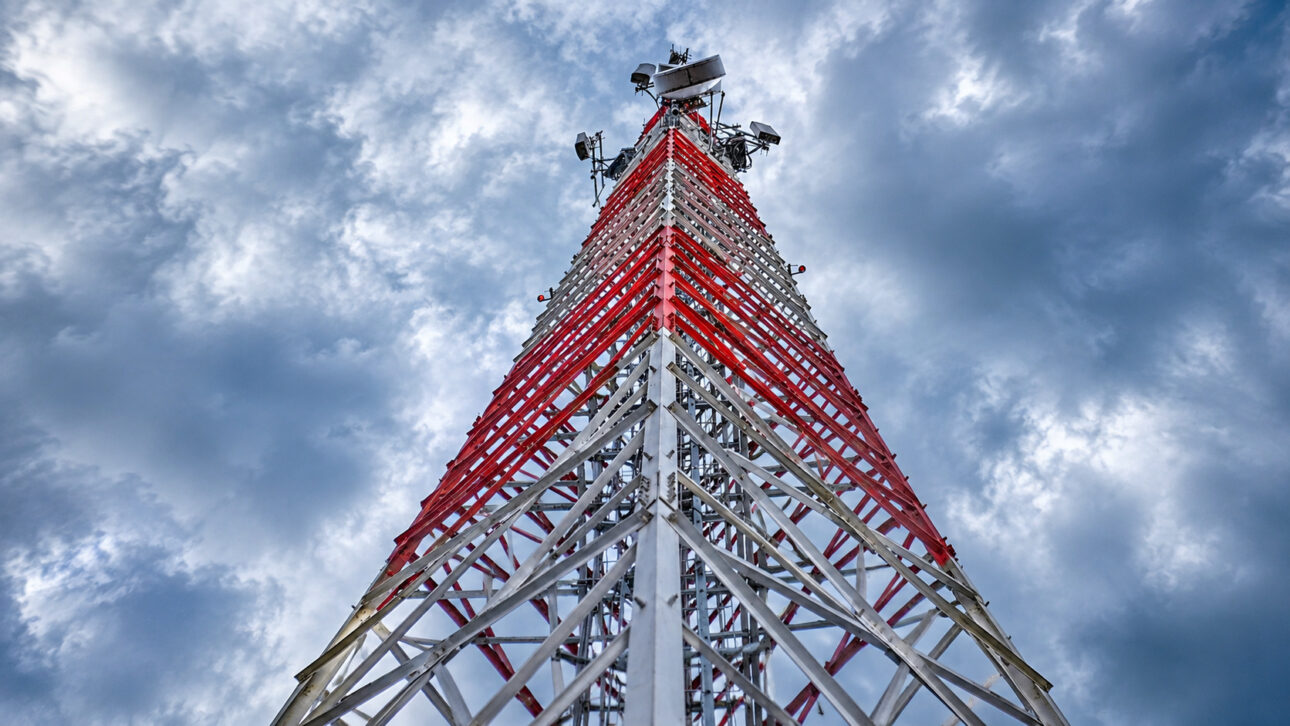
The problem is simple to understand. If the tower depends on fuel and the fuel doesn’t arrive, the signal may drop. This risk weighs more in places where the cell phone is used to receive money, sell products, and call for help.
Diesel has become a heavy cost to maintain the cell signal
Diesel fuels most of the approximately 500,000 telecommunications towers in Africa. This fuel needs to be purchased, transported, and manually placed in generators at many locations.
Besides the cost, there is the challenge of distance. A tower in a rural area may depend on trucks, good roads, transportation security, and constant maintenance. Each failure along this path increases the risk of interruption.
Lande Abudu, senior energy specialist for Africa at the GSMA, a global organization representing mobile operators, stated that diesel has always been a significant cost and that global events have made this expense even more unstable.
In Kenya, company says 82% of its 500 towers already use solar energy
AP News, an international news agency based in the United States, detailed that Atlas Tower Kenya claims to invest US$ 52.5 million to build 300 new solar-powered telecommunications towers.
The company also reports that 82% of its 500 towers already operate with solar energy. The operation serves major telecommunications companies, such as Safaricom, Airtel, and Telkom Kenya.
The number is noteworthy because it shows that solar energy is not only appearing in homes, farms, or rooftops. It also enters the hidden infrastructure that keeps cell phones working in remote areas.
How solar panels help prevent signal blackouts
A solar tower uses panels to convert sunlight into electricity. This energy powers the antenna equipment, while batteries store part of the charge to maintain operation during other periods.
In mixed systems, diesel remains as limited support. In practice, this reduces fuel dependency and decreases the risk of outages when there is a delay in supply.
For rural villages, this difference can be significant. A more stable connected tower helps keep internet, calls, mobile payments, and emergency services running longer.
The connection affects commerce, health, education, and aid
Cellular signal is not just for conversation. In many communities, it helps residents receive money, pay for purchases, sell products, access health information, and stay in touch with schools and services.
Martin Imwatok, a teacher in northern Kenya, reported that the community faced difficulty processing mobile payments and even calling for medical help before the installation of a telecommunications tower.
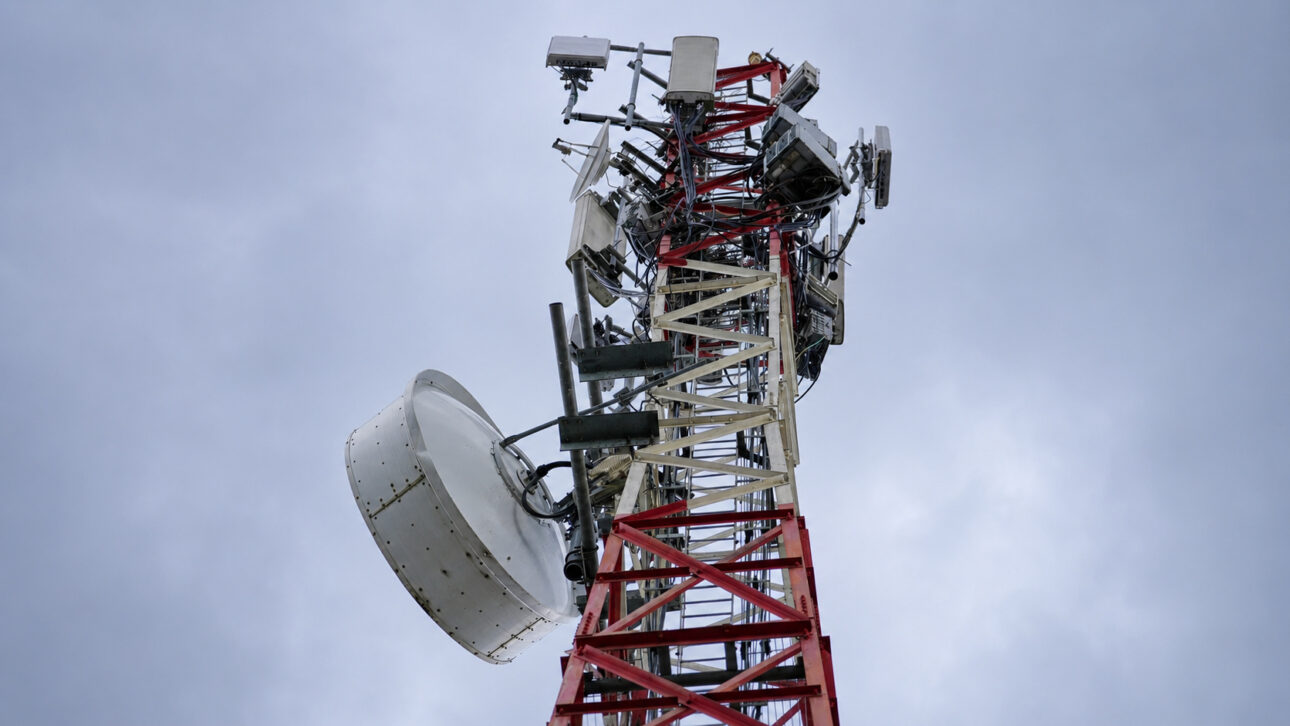
The speech shows why the energy behind the antenna matters. When a tower shuts down, the problem is not confined to the equipment. It affects the local market, healthcare, transportation, and family routines.
Solar energy in towers reduces diesel dependency, but requires maintenance
Solar energy helps cut part of the diesel burden, but it doesn’t make the tower run on its own forever. Panels, batteries, and equipment also need maintenance to avoid failures.
Even so, the change addresses a central issue. The less dependent on diesel-powered generators, the lower the risk of a community losing signal due to high prices, difficult transportation, or lack of fuel.
The expansion of solar towers can also facilitate signal reach to more remote areas. Where pulling an electrical grid is expensive, the sun becomes a practical alternative to keep the antenna active.
The race for solar-powered cell towers in Africa shows that digital connection depends on a physical and energy base. The cell phone in your pocket only works because there are antennas connected non-stop somewhere along the way.
With about 500,000 towers on the continent, the gradual replacement of diesel with solar panels can thus reduce signal blackouts, lower cost pressures, and make rural communities less vulnerable.
If a solar tower can keep payments, emergency calls, and internet working far from big cities, should this model advance faster in rural regions worldwide?








