






 Portuguese
  Spanish
  4 min of reading
  0 comments


Inmet published a red alert for a heat wave that will hit four states in the South and Midwest between April 19 and 25, with temperatures up to 5°C above expected, and Meteored projections indicate that the heat may intensify at the turn of May before weakening until the 25th.
Inmet (National Institute of Meteorology) classified the warning for a heat wave that may extend for seven consecutive days over four Brazilian states as a red alert. The announcement, published on Sunday (19) valid until Saturday (25), places residents of the South and Midwest at health risk due to temperatures expected to exceed the historical average by up to 5°C throughout the week. The scope of the alert includes several mesoregions of Paraná, Northwest Rio Grande do Sul, West Santa Catarina, and four zones of Mato Grosso do Sul, configuring a regional-scale event that simultaneously affects two macro-regions of the country.
The heat wave occurs at a time when autumn should be gradually reducing temperatures in these areas. Meteored data indicate that the phenomenon tends to intensify in the period between the end of April and the first days of May, reaching a peak before progressively losing strength. Even with the expected reduction, the abnormal heat may continue to influence the regional climate until the last week of May, prolonging an anomaly that concerns both meteorologists and public health authorities.
Which areas are under Inmet’s red alert due to the heat wave

The Inmet announcement details the specific mesoregions covered by the red alert. In Paraná, the areas affected by the heat wave include the Western Center, Northwest, Southwest, West, Southeast, Central-South, and North Central, covering a significant portion of the state. In Rio Grande do Sul, the focus is on the Northwest portion, and in Santa Catarina, the highest risk region is the West.
-
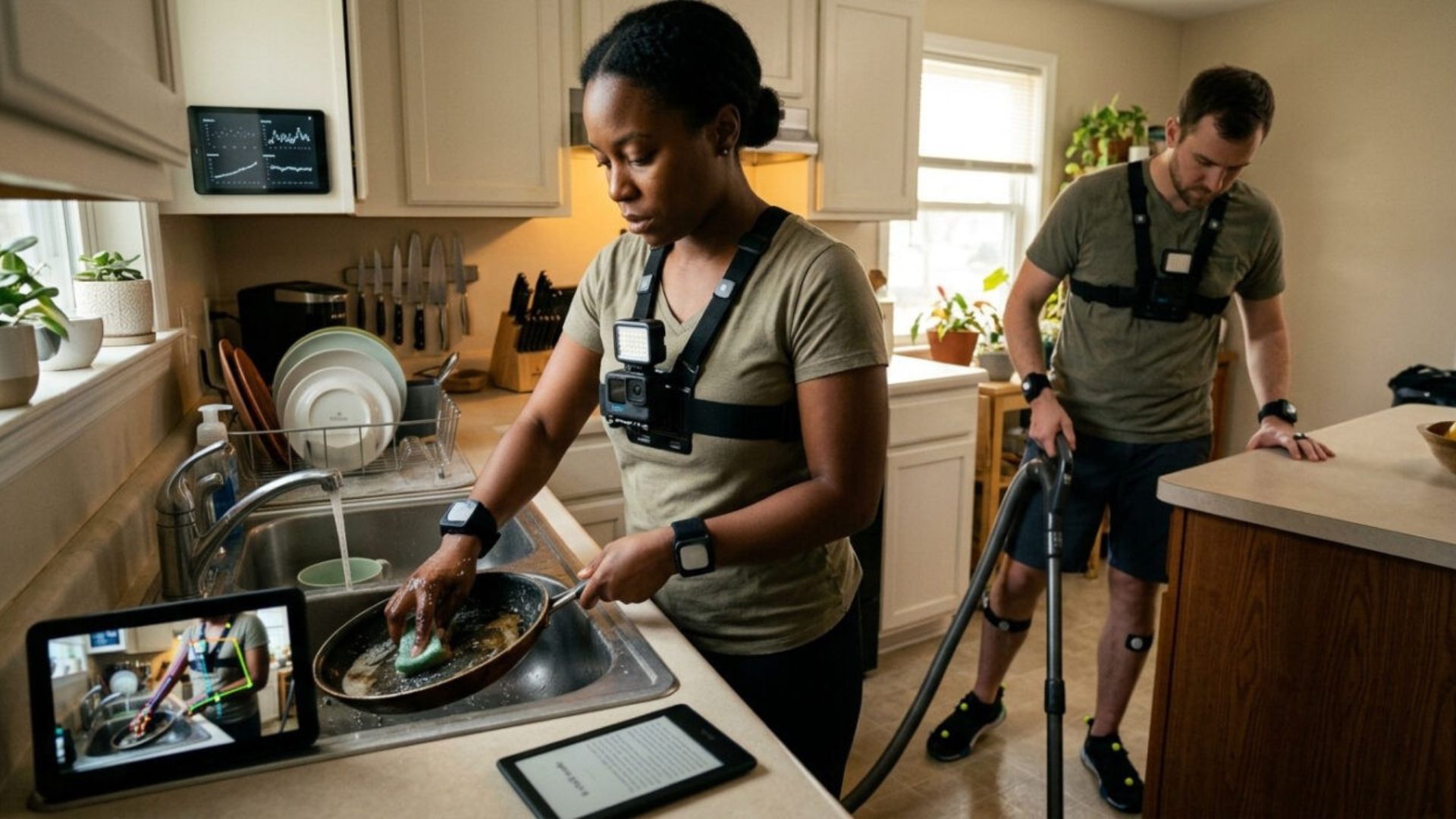
In the USA, thousands of people are being paid to wash dishes and clean the house with body cameras, every movement turning into data to train robots to imitate humans, in a new “digital gig” that could redefine the future of domestic work.

-
At 22 years old, a young person from Recife creates an artificial intelligence startup with a team barely over 25, serves giants like Bayer and Ipiranga, earns millions without taking a cent from investors, and transforms a young company into a national AI phenomenon.
-
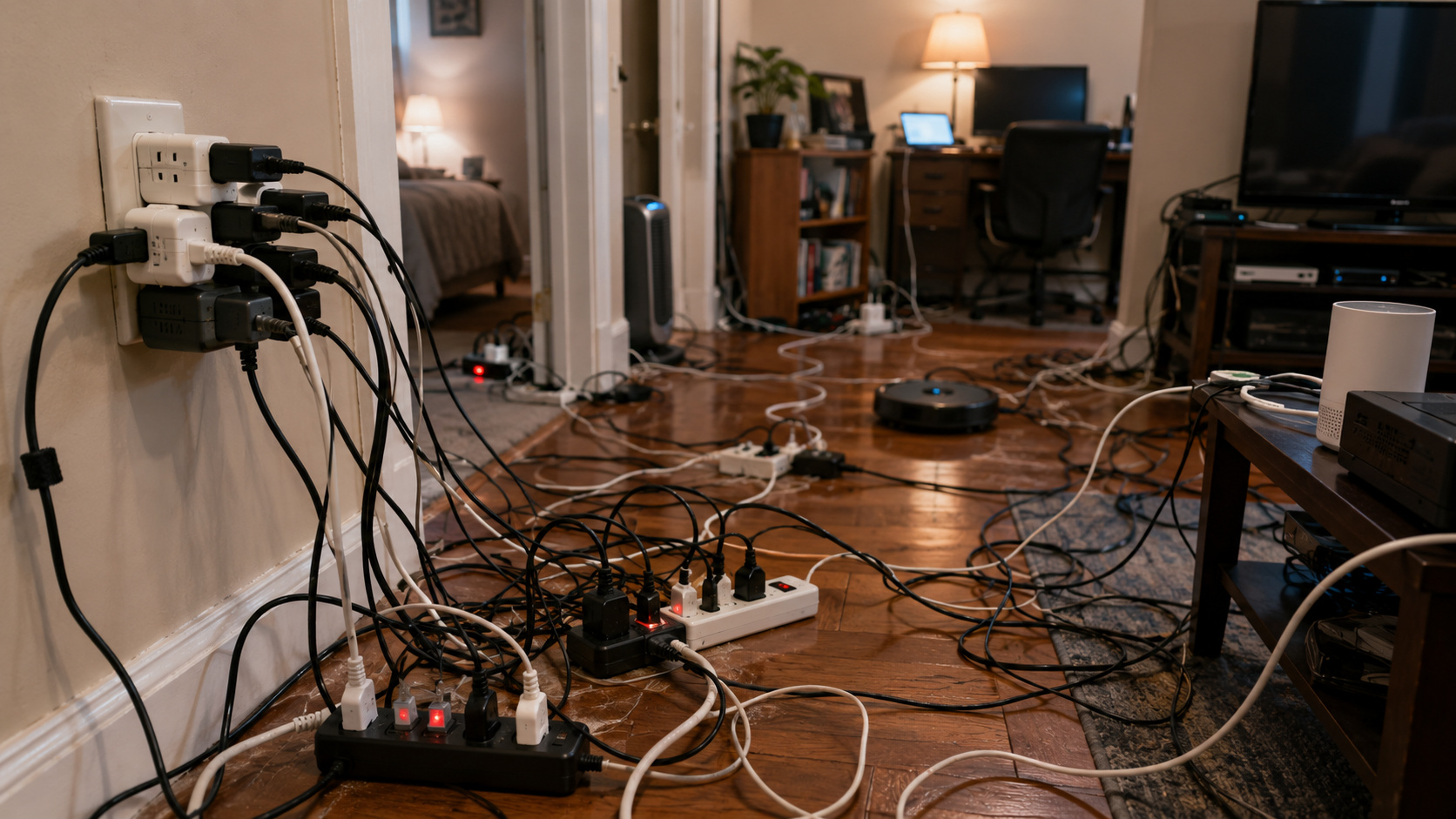
The invisible danger inside the house: plugging too many devices into the same outlet and spreading extensions throughout the rooms can overload the electrical network, silently heat wires, and turn a common habit into one of the leading causes of house fires.

-
Goodbye traditional laundry: Roborock launches washer and dryer with super hydrolysis, microbubbles, 99.99% sterilization, low-temperature drying, automatic detergent, app control, and cycles to remove stains, odors, mites, and bacteria from clothes.



South Mato Grosso has four mesoregions under red alert: Southwest, Pantanal, East, and Central North. The inclusion of the Pantanal in the list raises additional concerns, as the heatwave in the wetland environment increases the risk of wildfires and exacerbates water scarcity in a biome that has been suffering from increasingly frequent droughts. The geographical extent of the warning demonstrates that this is not localized heat, but a broad climatic event with the potential to affect millions of people in two quadrants of the national territory.
Why the heatwave in autumn represents real danger

A temperature 5°C above average for seven days is not just discomfort: it is a condition that puts the body under continuous thermal stress. At night, when the temperature should drop and allow for physiological recovery, the heatwave keeps the thermometer high, preventing the elderly, children, and those with chronic illnesses from getting the necessary relief. Inmet classified the alert as red because the combination of intensity and duration exceeds the threshold at which health damage becomes likely, not just possible.
The difference between a red alert and an orange alert lies precisely in the persistence of the phenomenon. A heatwave lasting two or three days causes discomfort; one that extends for an entire week, with temperatures above the norm both day and night, can lead to hospitalizations for dehydration, heat exhaustion, and cardiovascular crises. The municipalities affected must activate contingency plans, and the population needs to adopt immediate protective measures.
Protection recommendations during the heatwave
The guidelines for facing the heatwave are straightforward. Drinking water frequently throughout waking hours, even in the absence of thirst, is the most critical measure, followed by limiting sun exposure between 10 AM and 4 PM. Fruits with high water content, such as watermelon, melon, and pineapple, help replenish fluids and minerals lost through excessive sweating during days when the temperature remains above normal.
Wearing light-colored, lightweight clothing contributes to the body’s thermal regulation. Indoor environments should remain ventilated, and outdoor exercise should be avoided during peak heatwave hours. Inmet recommends paying attention to the signs the body emits: dizziness, mental confusion, dry and reddened skin, nausea, and rapid heartbeat are indicators of a medical emergency that require immediate attention. The red alert is not just a meteorological classification: it is a call for the population to modify their routine while the heatwave persists.
What the April heatwave indicates about Brazilian climate in 2026
Inmet projects that temperatures will continue to be above the norm even during the winter of 2026, which will begin on June 21 and last until September 22. The expectation is for milder cold compared to previous years, indicating a warming pattern that manifests with more frequent, longer, and more intense heatwaves. For the South and the Midwest, the current situation may just be the first episode in a sequence throughout the year.
The combination of a warm autumn, mild winter, and potentially early spring alters the climate calendar in these regions. The agricultural sector, which relies on predictable thermal cycles to plan harvests, and public health, which needs relief intervals between extreme episodes, are the two fields most vulnerable to a heatwave that refuses to adhere to the seasonal calendar. Inmet’s red alert is, above all, an indicator that the known climate pattern is changing at an accelerated pace, and that adaptation is no longer an option, but a necessity.
And you, are you feeling the effects of this heatwave in your state? Do you think Brazil is prepared to face increasingly frequent episodes of extreme heat? Leave your opinion in the comments.





Be the first to react!