





 Portuguese
  English
  Spanish
 3 min of reading
  0 comments


Study Reveals That Biodiesel Is Viable for the Maritime Sector
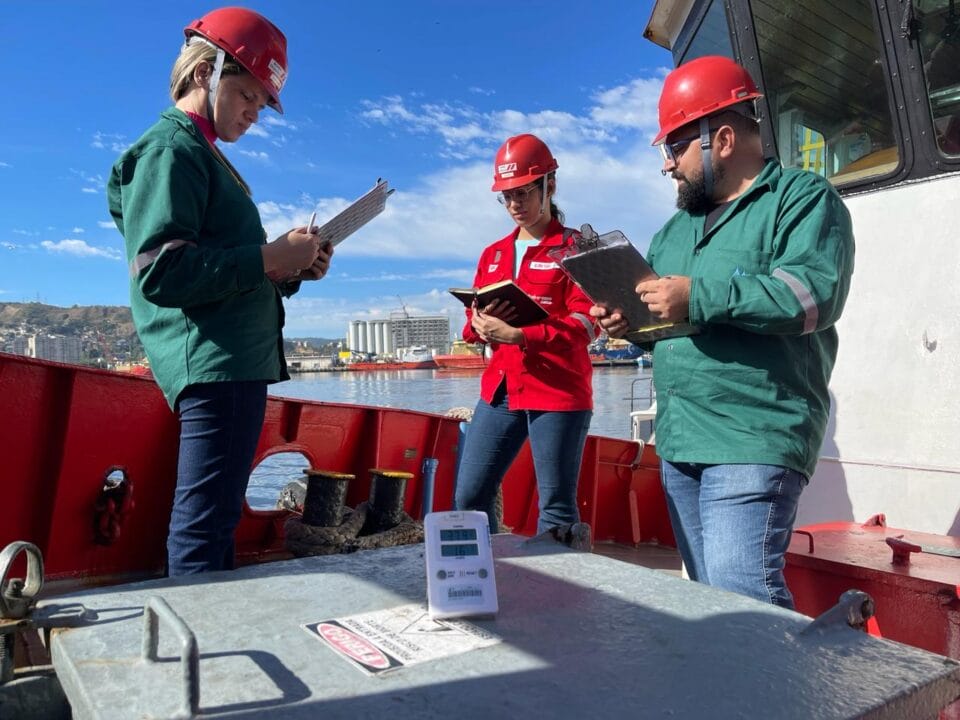
A pioneering study conducted by the Federal University of Rio Grande do Norte (UFRN) in collaboration with Bunker One, a giant in maritime fuel commercialization, points to the technical, economic, and environmental viability of using biodiesel in vessels. This fuel, blended at 7% with marine diesel, known as B7, emerges as a promising alternative to traditional fossil bunker, aligning with global sustainability and carbon reduction principles. The encouraging results will be shared with the Ministry of Mines and Energy and the National Agency of Petroleum, Natural Gas and Biofuels (ANP), marking a significant step for the maritime and fuel industry.
A Dive into the Research
Bunker One, committed to sustainability and innovation, joined forces with UFRN to explore the possibilities of biodiesel in the naval sector. The research, initiated in 2021, used second-generation biodiesel, produced from animal waste and used cooking oil, demystifying previous concerns about its use. Under the leadership of Professor Amanda Gondim, the study encompassed everything from an extensive literature review to rigorous laboratory tests, establishing B7 as the ideal blend for viability testing.
Promising Results and Environmental Impact
The final phase of the study involved practical tests with B7 on a tugboat from Nova Offshore, demonstrating not only the technical viability of the biofuel but also its environmental benefits, such as a 2% reduction in CO2 emissions. This result opens perspectives for reducing the carbon footprint in maritime transport, aligning the industry with global sustainability goals. Adapting to B7 requires a gradual transition, paying special attention to filter maintenance, due to the detergent power of biodiesel that promotes tank cleaning.
-
For the economist José Kobori, the USA gained a trump card to “blackmail” Brazil and undermine China’s influence by classifying the PCC and Comando Vermelho as terrorists, increasing the power to pressure companies, banks, and even Pix.

-
The labor shortage has changed its face in Brazil: companies hire 80% more, but workers stay only 6.8 months in the job, the service market becomes a “revolving door,” and businesses spend increasingly more to train teams that soon leave.

-
Chinese giant chooses SC to set up its first factory in Brazil, investing R$ 250 million and producing MRI machines costing R$ 10 million each, with 100 direct jobs and 5% of revenue allocated to research.

-
After selling a unit for R$ 115 million to pay off debts, a traditional factory in SC founded in 1932 has a new R$ 64.8 million plan denied by the court and retains about 690 workers in Joinville.



Sailing Towards a Green Future
The success of this study constitutes a milestone for the maritime and energy sector, encouraging the adoption of cleaner fuels. Bunker One plans not only to share the findings with regulatory bodies but also to foster the continuation of research and practical adoption of B7, aiming for a gradual and effective transition to biodiesel in naval operations. This effort reflects the company’s vision to lead the change towards green fuels, with the expectation that soon, biodiesel will become a predominant choice in the Brazilian and global market.
The initiative by Bunker One and UFRN not only highlights the potential of biodiesel as a sustainable alternative to fossil bunker but also reinforces the industry’s commitment to ESG practices. The adoption of B7 represents a significant advancement for sustainability in maritime transport, promoting a cleaner and more responsible industry. As Bunker One moves forward to commercialize green fuels, the study serves as an important boost for other companies to follow the path of innovation and environmental responsibility.
Source: Daniella Bottino.





Be the first to react!