






 Portuguese
  Spanish


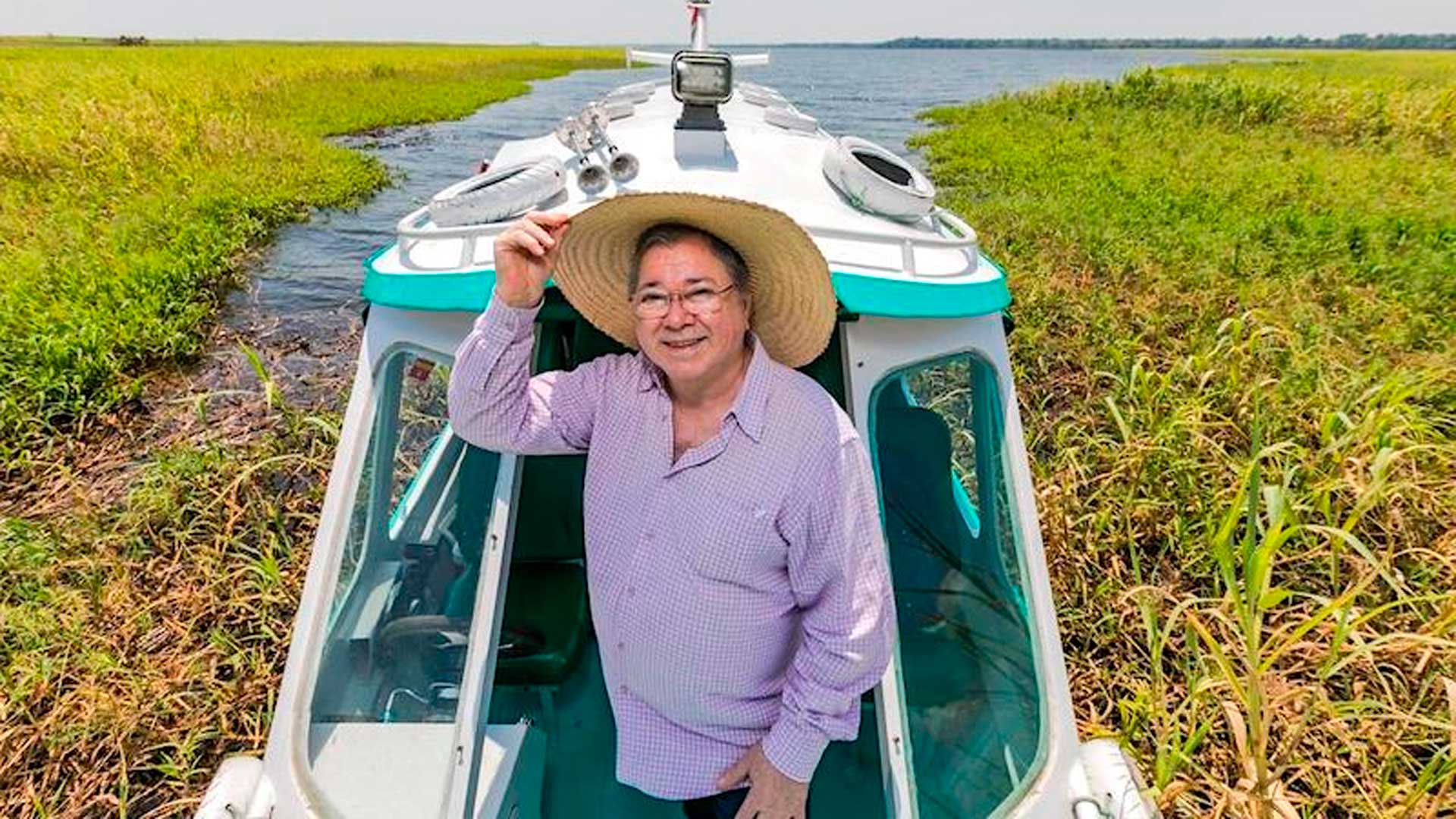

Recognition of biologist Adalberto Luis Val puts science done in the Amazon in global spotlight and reinforces alerts about climate, fish conservation, and food security in the region
The biologist Adalberto Luis Val, a researcher at the National Institute for Amazonian Research, INPA, will be the first Brazilian to receive the Le Cren Medal, an international honor focused on biology, conservation, and public understanding of fish. The ceremony is scheduled for July 30, 2026, at the University of Southampton, England.
The award is granted by the Fisheries Society of the British Isles, a British entity dedicated to fish biology and fisheries science. The recognition highlights a career of nearly five decades dedicated to the study of Amazonian fish, especially their physiological adaptations to extreme environments.
More than an individual tribute, Val’s selection highlights the importance of science produced in the Amazon. His studies help explain how species from tropical rivers cope with heat, oxygen variation, water acidity, floods, droughts, and other environmental factors increasingly pressured by climate change.
-
9-year-old boy who could only hold a plank for 6 minutes in physical education class trained alone for 6 months, without needing encouragement from his parents, until he broke the world children’s record with 61 minutes and 5 seconds.

-
It’s not madness: ‘talking to yourself’ has an important function for the brain, science reveals

-
Federal Government formalizes pilgrimage route with more than 70 cities between Minas Gerais and São Paulo, and the path inspired by Santiago de Compostela ends at the Sanctuary of Aparecida.
-
A Brazilian street cleaner built a machine to recycle PET bottles in the hinterlands of Paraíba, transforming the trash he swept from the streets into threads, brooms, and equipment sold even outside Brazil, and began earning about R$ 7,500 per month with his own invention.


The topic goes beyond biodiversity. In the Amazon, fish are a central part of the diet, economy, and culture of riverine and urban populations, making the conservation of aquatic ecosystems also a social issue.
INPA researcher becomes the first Brazilian to receive the Le Cren Medal
According to Conexão Planeta, Adalberto Luis Val is the first Brazilian and Latin American to be recognized with the Le Cren Medal, created in 2010 in honor of British biologist David Le Cren, considered a classic name in fish ecology. The honor recognizes researchers and teams who have made outstanding contributions to fish biology and conservation.
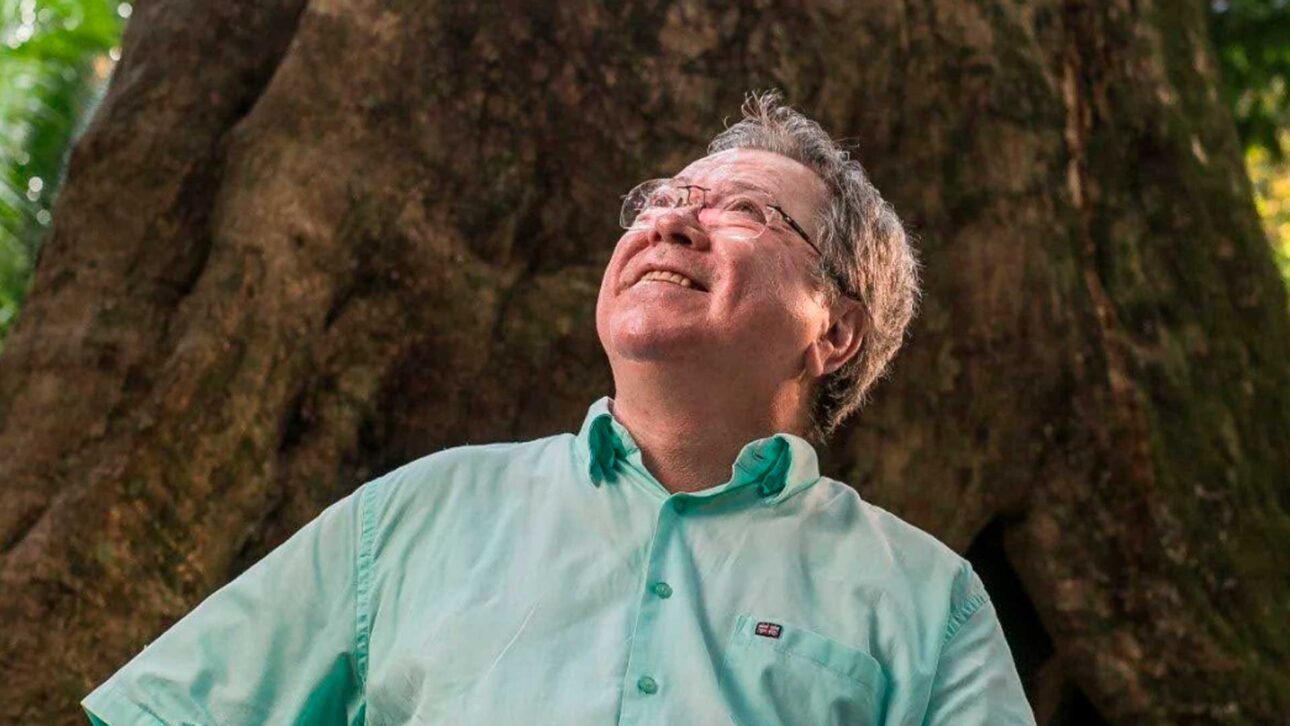
Val has been working at INPA for more than four decades and is the vice-president of the Brazilian Academy of Sciences for the Northern Region. His career was mainly built in Manaus, where he helped consolidate studies on physiology, adaptation, and evolution of fish in the Amazon basin.
According to information from the Bunge Foundation, the scientist is the author of more than 280 scientific articles, 22 books, and 78 book chapters. He also accumulates over 10,000 academic citations and has received recognitions such as the Grand Cross of the National Order of Scientific Merit and the Award of Excellence from the American Fisheries Society.
The researcher’s career gained new international weight because the Le Cren Medal does not usually highlight just a single isolated discovery. It recognizes a long, broad, and impactful contribution to fish science, including conservation, researcher training, and communication of scientific knowledge.
How Amazonian Fish Became a Natural Laboratory to Understand the Future of Tropical Rivers
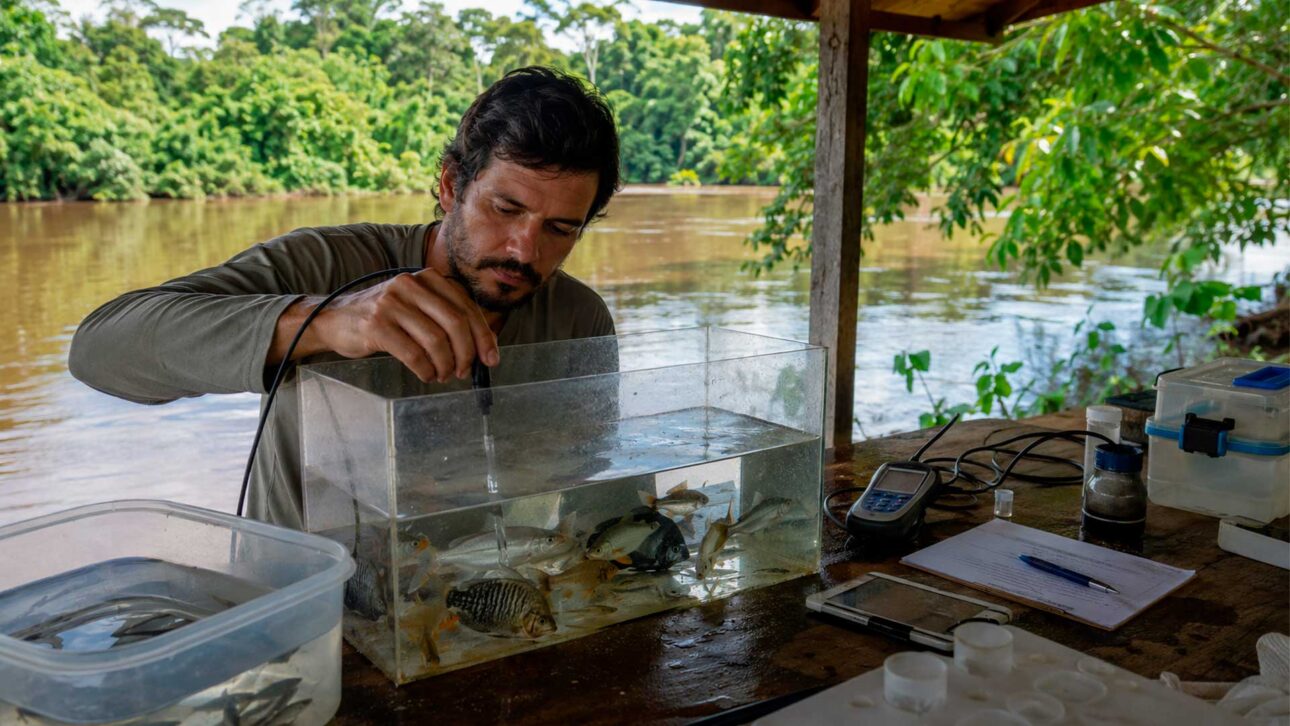
The central focus of Adalberto Val’s research is on a seemingly simple question, but one that is decisive for the future of the Amazon: how far can fish resist environmental changes? The answer involves water temperature, dissolved oxygen, acidity, pollution, extreme droughts, and changes caused by the advancement of climate change.
According to the Science Panel for the Amazon, Val investigates how species from the Amazon basin respond to environmental variations in one of the most diverse and dynamic aquatic systems on the planet. This type of study transforms the Amazon into a natural laboratory to understand the biological limits of tropical aquatic life.
In practice, Amazonian fish live in environments that already change a lot throughout the year. There are periods of flooding, ebb, drought, waters with less oxygen, and natural variations in acidity. The problem is that global warming and environmental degradation can push these changes to levels that many species cannot withstand.
According to the FAPESP Research Magazine, Val observed that some species are more resistant than others, but aquatic organisms, in general, are sensitive to temperature variations. The publication also recalls the drought of 2023 in the Amazon, when the water reached 40.9 °C in certain locations, in a scenario associated with the death of fish and river dolphins.
This point helps explain why the research is not just academic. When a fish approaches its thermal limit, it may lose the ability to feed, grow, reproduce, or escape predators. In extreme situations, the result can be mass mortality.
Climate change is already pressuring fish living near the survival limit
According to CNPq, Adalberto Val warns that many Amazonian fish live very close to their upper thermal limits. This means that small temperature increases can cause significant impacts, especially during dry periods when the water volume decreases and oxygen concentration diminishes.
The researcher also highlights the combined effect of droughts, fires, and pollutants. When the water heats up, the available oxygen tends to drop, while ashes, sediments, and chemicals can worsen the quality of aquatic environments.
These changes do not affect all species in the same way. Some can tolerate waters poorer in oxygen or more acidic, while others depend on more stable conditions. The problem is that the loss of sensitive species can alter entire food chains.
The concern grows because Amazonian rivers are not just landscapes. They function as ecological corridors, food sources, transportation routes, and life bases for communities that depend directly on fishing.
In 2025, the IUCN reported that 24% of freshwater animals assessed globally are at high risk of extinction, including fish, crustaceans, and aquatic insects. Although the data is global, it reinforces the magnitude of the challenge faced by rivers, lakes, and wetlands in different regions of the planet.
Science conducted in the Amazon gains visibility in a worldwide award
The choice of Adalberto Luis Val for the Le Cren Medal has symbolic significance because it shows that the Amazon is not just a study subject for outside researchers. The region also produces cutting-edge scientific knowledge, trains specialists, and offers solutions to global problems.
The researcher’s career itself shows this dimension. Val helped to establish laboratories, mentor students, and expand international understanding of Amazonian fish, an essential group for understanding how tropical organisms react to extreme environments.
According to the FSBI, the Le Cren Medal is awarded to individuals or teams with long-term contributions, focusing on conservation, training, or public understanding of fish. In 2026, the name nominated for this distinction is Adalberto Luis Val.
The recognition comes at a time when the Amazon faces severe droughts, water warming, deforestation pressure, pollution, and changes in river regimes. In this context, the work of local researchers becomes even more strategic to guide public decisions.
The medal, therefore, does not conclude a journey. It amplifies the visibility of a scientific agenda that tries to answer an urgent question: how to protect Amazonian fish before changes in rivers exceed the species’ adaptation point?


