Portuguese
  Spanish


History shows how the lack of space, vertical construction, and real estate appreciation in Singapore turned strategic lands into bases for hotels, shopping centers, housing, and major urban businesses
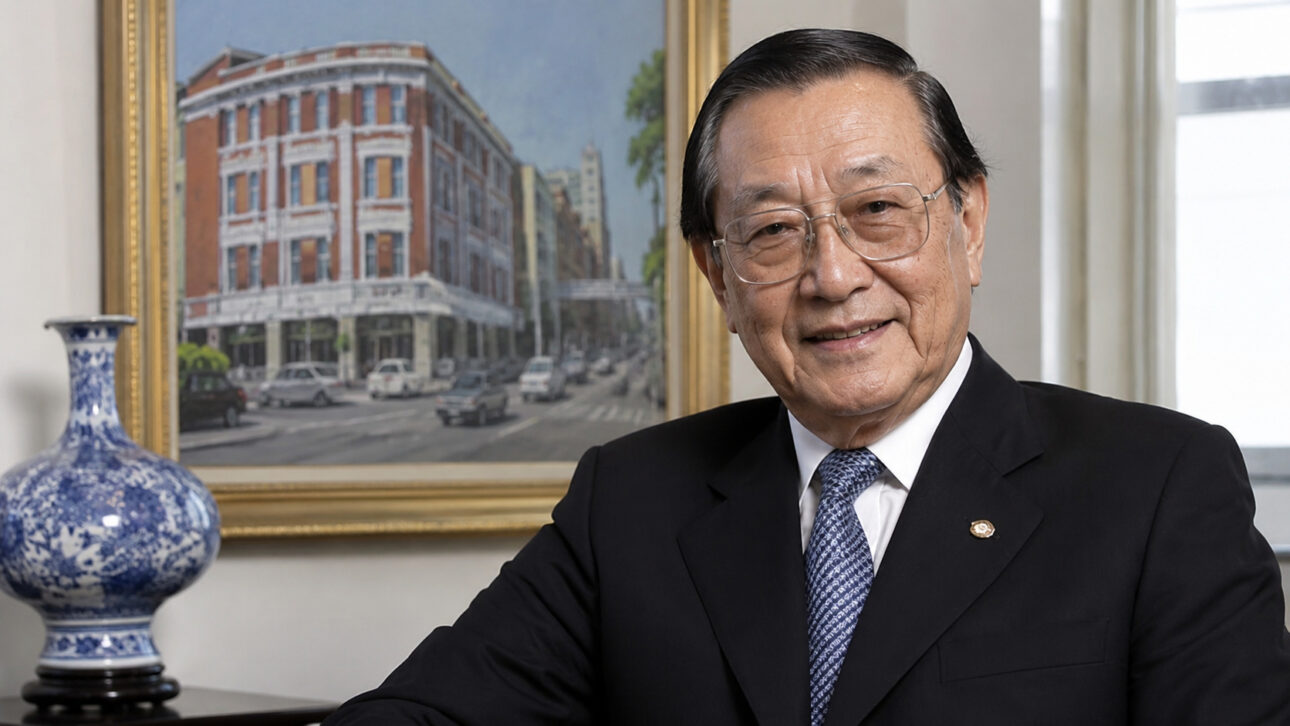
In a city where every piece of land is worth gold, Ng Teng Fong began buying land in Singapore in the 1960s and created a real estate group linked to over a thousand developed properties.
The information was published by the National Library Board of Singapore, a public body linked to libraries and archives. The trajectory involves the creation of the Far East Organization, a company that grew alongside Singapore’s rapid urbanization.
The case helps to understand why the real estate market can gain so much weight in small, dense cities with little free space. When there is little land and high demand for housing, commerce, and services, each well-located plot becomes strategically valuable.
-
An artist sank over 500 life-sized human statues at the bottom of the Caribbean Sea, and what seemed like macabre art turned into a living reef covered with corals that attracts divers from all over the world.

-
A fossil kept for years in a small museum in Montreal concealed 450-million-year-old soft tissue, a discovery that has only happened once before in history.

-
Engineers spend a decade building a $2.3 million bridge, but the project features a surreal curve, becomes a joke, and ends with seven suspended.

-
7-year-old boy acts without hesitation and saves his 1-year-old brother from drowning in the family pool in Texas: the boy’s courage impressed the sheriff and he may now receive an official police commendation.



Singapore was still changing its face when the lands began to gain value
In the 1960s, Singapore was still undergoing strong urban transformation. The city was advancing in housing, commerce, and infrastructure, while the available space remained limited.
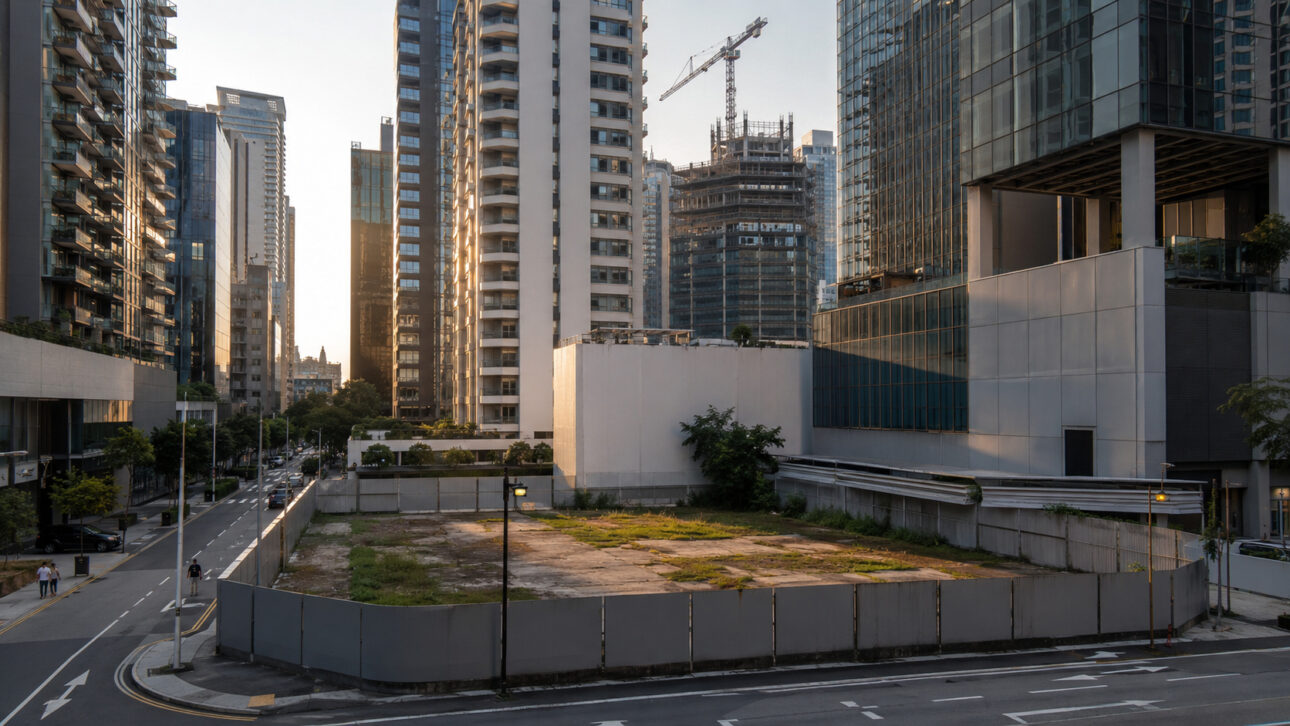
This detail is essential to understand real estate appreciation. In a place with little land, an empty plot can become a residential building, hotel, shopping center, or set of shops.
It was in this environment that Ng Teng Fong began buying land. The bet was not just on land ownership, but on the city’s growth around these spaces.
Over time, urban expansion increased the importance of well-positioned areas. Thus, land in Singapore came to represent an opportunity for those who could foresee the city’s advancement before appreciation became evident.
Far East Organization grew with residential properties, hotels, and shopping centers
The Far East Organization was founded in the 1960s and began operating in real estate development. In practice, this type of company buys land, plans constructions, and transforms areas into residential, commercial, or hospitality ventures.
This activity is called real estate development. It means organizing the path between a plot of land and a property ready for use, sale, or management.
The company grew in different areas. Among them were residential properties, hotels, and shopping centers, sectors directly linked to urban life, commerce, and tourism.
This combination increased the economic weight of the group. Housing serves residents, hotels receive visitors, and shopping centers concentrate stores, services, and people traffic.
More than a thousand properties show the scale achieved by the real estate group
National Library Board of Singapore, a public body linked to libraries and archives, recorded that Ng Teng Fong developed more than a thousand properties throughout his career in the real estate market.
This number shows the scale of the group in a city where space is contested. In Singapore, developing so many properties means directly participating in the formation of residential, commercial, and hotel areas.
More than a thousand properties do not just represent volume. The data also shows how land purchases in the 1960s connected to a larger process of urbanization.
The expansion of Far East Organization helps explain how Singapore’s real estate market became an important piece of the urban economy. In cities with little land, the use of each area changes the price, landscape, and routine of people.
Scarce land became one of the keys to real estate appreciation in Singapore
The lack of space is one of the most important points to understand Singapore. When a city has little available land, it needs to make better use of each area.
This strengthens vertical construction. Instead of growing only sideways, the city starts to grow upwards, with buildings, hotels, residential towers, and shopping centers.
This model also increases pressure on prices. Well-located land becomes more contested because it can accommodate constructions with high economic value.
Therefore, the story of Ng Teng Fong is not just about a business figure. It shows how scarce land, urban planning, and vertical construction can create great businesses in a city that needs to make good use of every available meter.
The real estate boom helped shape a more vertical and competitive city
Singapore became known for the presence of tall buildings, organized commercial areas, and strong use of urban space. This type of landscape does not appear by chance.
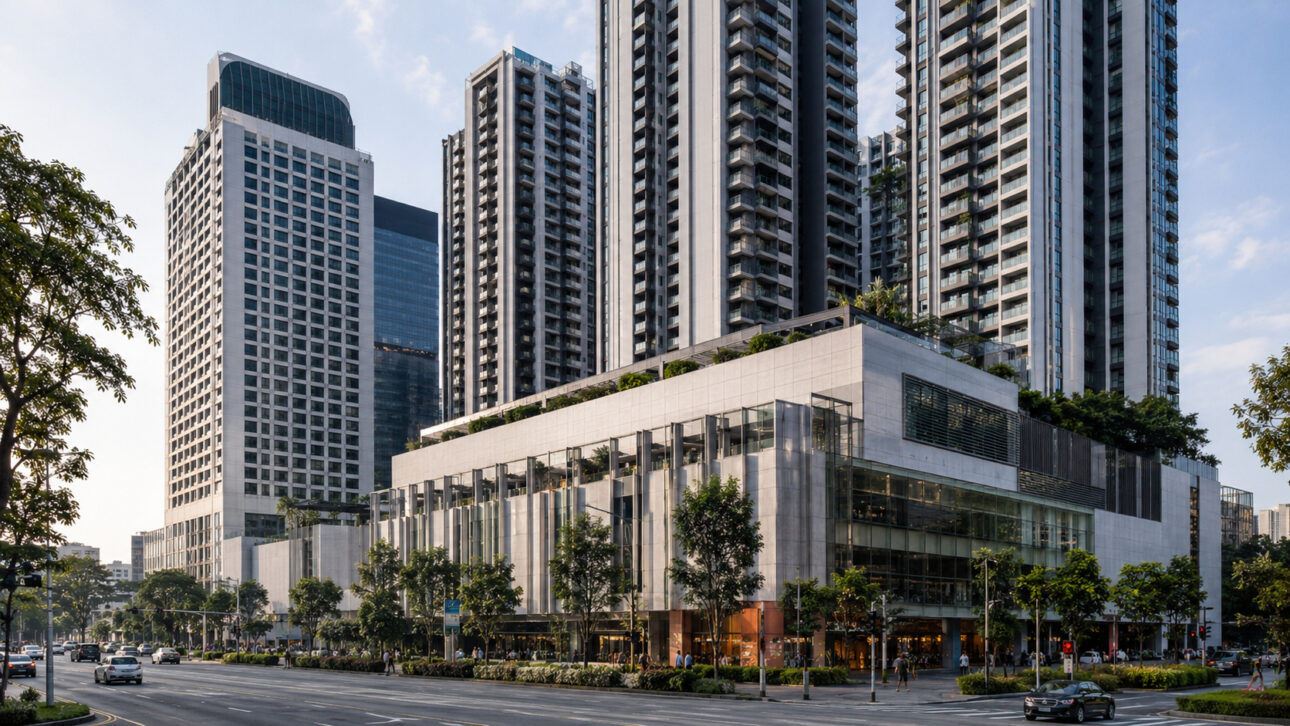
It depends on decisions about housing, commerce, hotels, transportation, and land use. Each development changes the flow of people, property values, and the function of a city region.
The actions of the Far East Organization were part of this movement. By developing residential properties, hotels, and shopping centers, the group participated in a broader urban transformation.
For those reading in Brazil, the example shows a simple logic. When the city grows, the land ceases to be just an empty area and becomes an asset capable of changing neighborhoods, prices, and business opportunities.
The case shows why well-located land can change a city
The trajectory of Ng Teng Fong helps to understand the strength of the real estate market in places where land is limited. In Singapore, the combination of limited space, urban growth, and vertical construction created an environment of strong appreciation.
The creation of the Far East Organization in the 1960s and the fact of more than a thousand properties developed show how a bet on land can gain enormous dimension when the city grows around it.
In the end, the story reveals a central point of urban economics: the value of land is not just in the ground, but in what the city can become around it.
When a city grows quickly and space becomes increasingly expensive, who should decide the future of the most contested land: the market, public planning, or a combination of both? Share your opinion.