Portuguese
  Spanish


Discussion of PEC 3/2026 in the Constitution and Justice Committee of the Chamber of Deputies could completely change the way IPVA is charged in Brazil, as the proposal foresees calculation based on physical criteria, such as vehicle weight, creates a national cap of 1% on the sale price, reduces dependence on the Fipe Table, opens room for environmental incentives, and also raises concern about possible fiscal impacts for electric cars due to the high weight of batteries
An important change in the collection of IPVA in Brazil has begun to gain traction in the Chamber of Deputies.
The Constitution, Justice, and Citizenship Committee, known as CCJ, debated, on Wednesday, May 6, 2026, PEC 3/2026.
The proposal changes how the tax can be calculated. Currently, IPVA primarily considers the vehicle’s market value, usually associated with the Fipe Table.
-
End of an era in Brazil: beloved sedan by Brazilians is discontinued despite having a 2.0 engine with 151 hp, CVT transmission, 466-liter trunk, and up to 650 km of range.

-
New Law Proposal in Brazil Could Heavily Penalize Drivers: Dangerous Overtaking May Become a Serious Offense with Fines Increased Tenfold and a 12-Month License Suspension; Update on 2026 Progress

-
Electric Revolution: Watts W125 Motorcycle Offers 160 km Range, 90 km/h Speed, and Affordable Price Starting at $3,000
-
General Motors Replaces Over a Thousand Workers with 50 Cobots at Electric Vehicle Plant, UAW Union Criticizes Move Amid Industry’s Automation Push
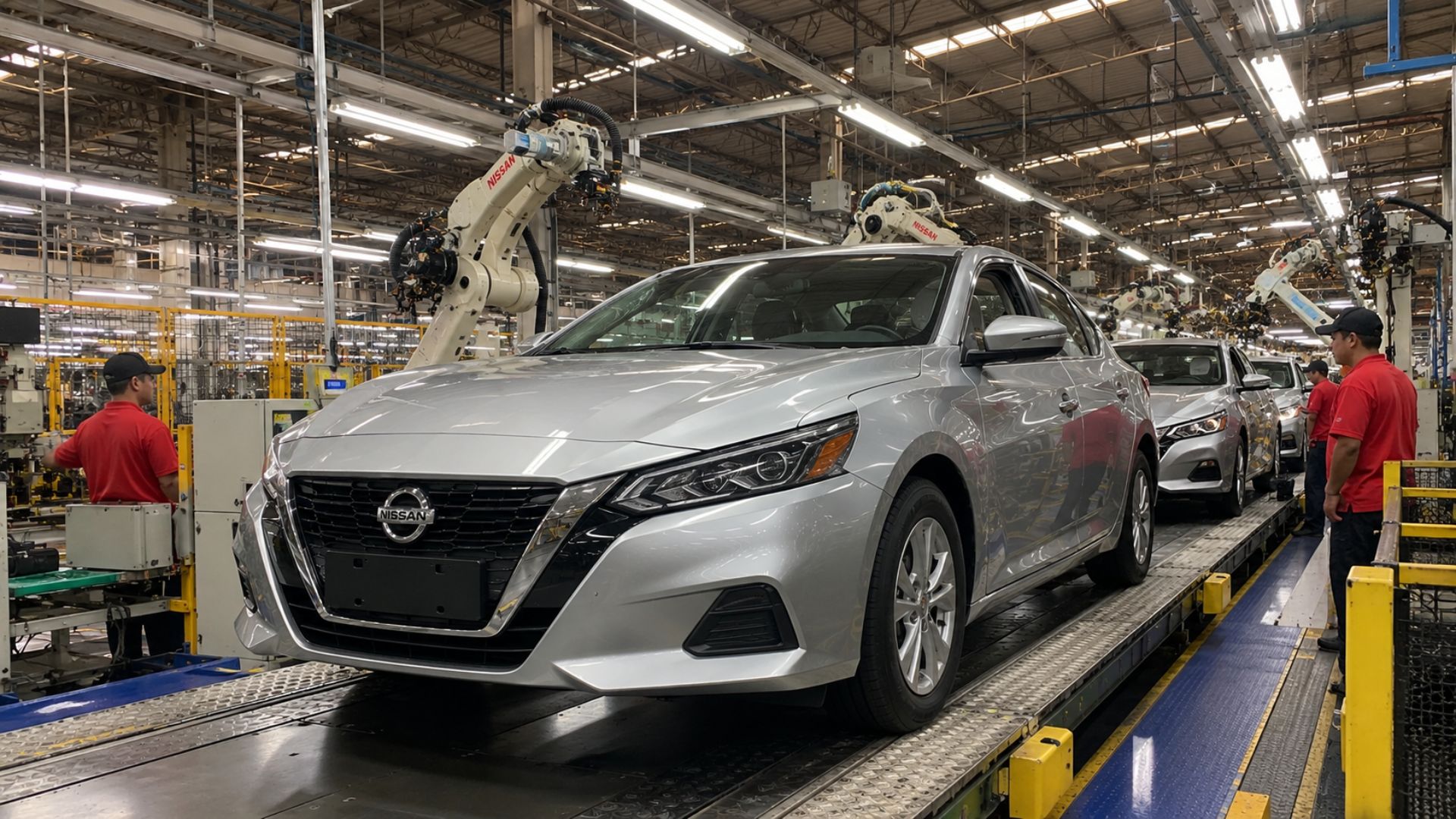



However, the new text suggests that the collection also start considering physical criteria, such as the vehicle’s weight. The PEC proposes a 1% cap on the vehicle’s sale price, which would change the automotive tax structure in the country.
Change in calculation could alter IPVA collection
Currently, the Brazilian model charges IPVA based on the vehicle’s market value. However, according to the proposal’s advocates, this format would be an “anomaly”, as it taxes an asset that loses value over the years.
Still according to the PEC’s supporters, countries like the United States and Japan already use physical attributes in automotive taxation.
According to the text under discussion, vehicle weight could be one of the criteria used by the states. Thus, the tax would no longer depend solely on the estimated price of the automobile.
Electric cars may feel the impact of the new rule
Although the proposal opens room for discounts on less polluting vehicles, electric cars may face an unexpected effect. This is because these models tend to be heavier due to their batteries.
Although they are less polluting, electric vehicles could have some of their benefits reduced if weight gains importance in the calculation.
Consequently, this change could affect the projected growth for this type of vehicle in Brazil. Nevertheless, the proposal maintains the possibility of incentives for automobiles with lower environmental impact.

PEC also limits public advertising
In addition to IPVA collection, PEC 3/2026 also addresses public advertising. The text prohibits campaigns of a promotional or personal nature by public agents.
At the same time, the proposal establishes a strict limit for advertising expenses of the branches of government and the Public Prosecutor’s Office. This cap would be 0.1% of Net Current Revenue.
Therefore, the discussion is expected to continue with sensitive points within the Chamber of Deputies.
Next steps for the proposal in the Chamber
Now, the matter remains under analysis within the legislative process. As it is a Proposed Constitutional Amendment, the text must follow a more rigid procedure.
Therefore, the PEC must be approved in two rounds in the Chamber’s plenary session, with a qualified quorum. After that, if it advances among the deputies, the proposal will proceed to the Federal Senate.
Meanwhile, drivers, states, and the automotive sector are following the discussion. After all, a change in IPVA can directly alter the annual cost of maintaining a vehicle in Brazil.
If the tax starts to consider the car’s weight, the 1% cap, and possible environmental discounts, will the new model be fairer or will it create new problems for drivers?