Portuguese
  Spanish


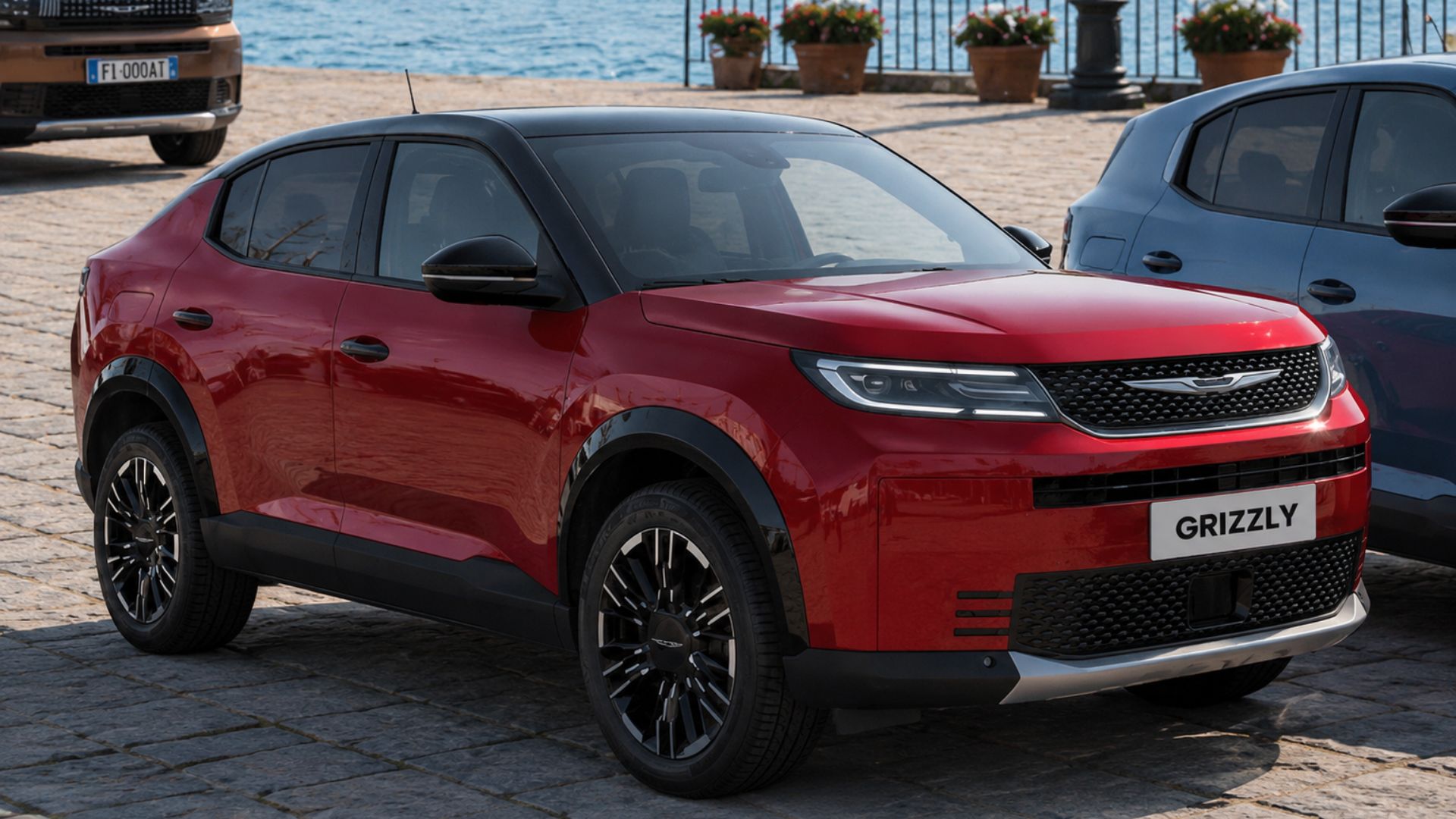

Chrysler’s Offensive in the United States Targets Cheaper SUVs, Uses Fiat-Linked Base and Repositions the Brand in Higher Volume Segments, After Years Focused on Minivans and with Few Products Available in the North American Market.
Chrysler is preparing a new phase in the United States with three new products planned to expand its presence beyond minivans, in an offensive that involves Airflow, Arrow, and Arrow Cross within Stellantis’s FaSTLAne 2030 plan.
With the new strategy, the brand intends to return to competing in more affordable segments of the North American market, targeting prices below $40,000 across the future lineup and below $30,000 for the two smaller models.
After years with a portfolio concentrated on the Pacifica and Voyager, Chrysler is trying to regain ground in segments it stopped competing in, especially among consumers seeking compact SUVs, urban crossovers, and lower-cost family vehicles.
-
End of an era in Brazil: beloved sedan by Brazilians is discontinued despite having a 2.0 engine with 151 hp, CVT transmission, 466-liter trunk, and up to 650 km of range.

-
New Law Proposal in Brazil Could Heavily Penalize Drivers: Dangerous Overtaking May Become a Serious Offense with Fines Increased Tenfold and a 12-Month License Suspension; Update on 2026 Progress

-
Electric Revolution: Watts W125 Motorcycle Offers 160 km Range, 90 km/h Speed, and Affordable Price Starting at $3,000
-
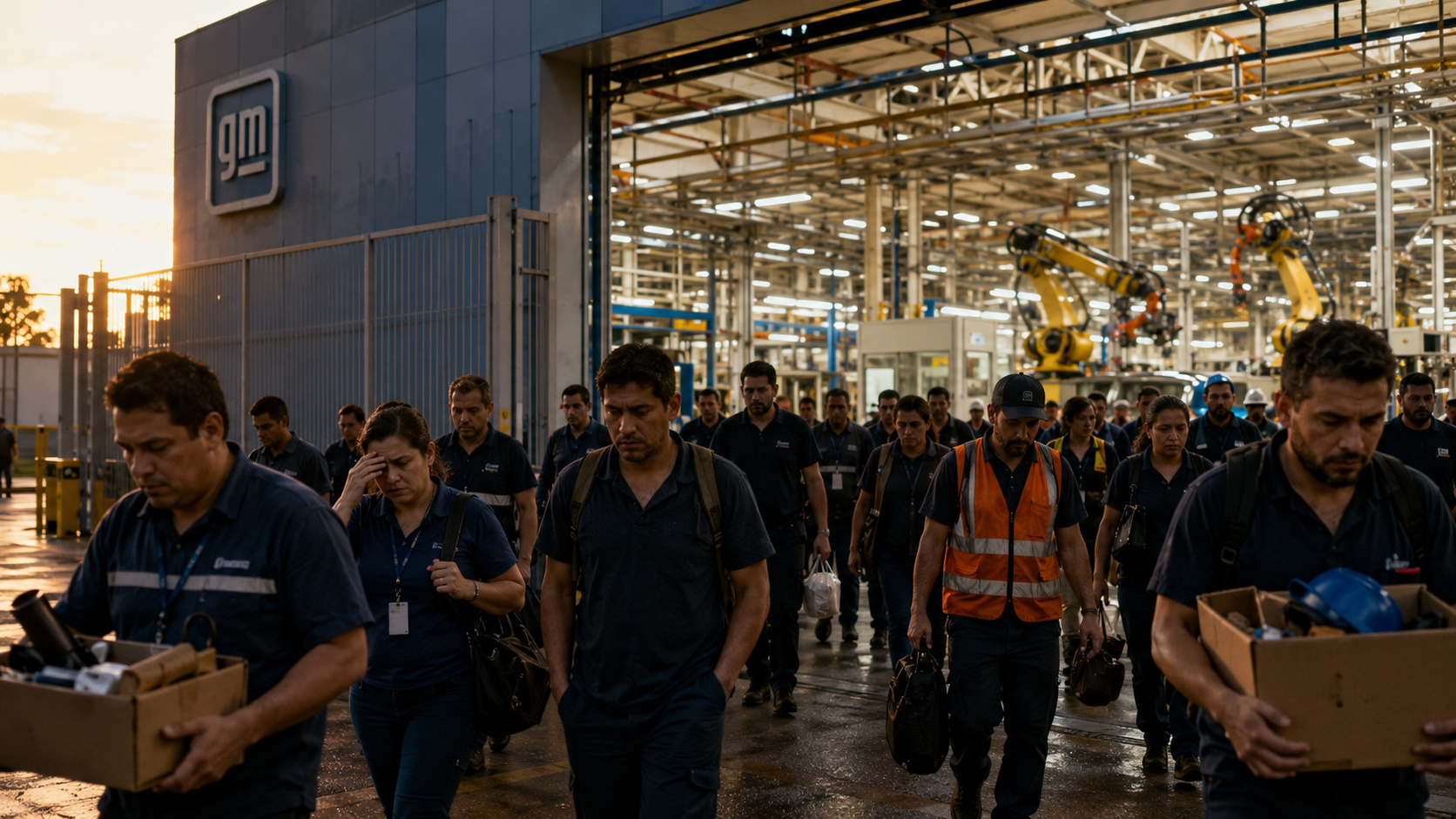
General Motors Replaces Over a Thousand Workers with 50 Cobots at Electric Vehicle Plant, UAW Union Criticizes Move Amid Industry’s Automation Push


In the United States market, the brand sold 126,373 vehicles in 2025, a result formed by 110,006 units of the Pacifica, 15,792 of the Voyager, and 574 remaining units of the 300 sedan, already out of the regular lineup.
Chrysler Returns to Target More Affordable Cars in the USA
To reposition Chrysler in higher volume segments, Stellantis is betting on a range with lower prices than those currently practiced by the brand, still very dependent on minivans positioned at a higher level.
According to specialized publications that followed Stellantis’s presentation, the future Arrow and Arrow Cross are expected to start at less than $30,000, while the Airflow will occupy a range above them but still below $40,000.
This price difference helps explain the importance of the project, as the Pacifica remains Chrysler’s main product, but with an entry price far from the public looking for a more affordable new car.
Without a broad offering of SUVs and crossovers, the brand lost presence in an important part of the North American market, precisely in categories that concentrate high sales volume and attract younger buyers or families seeking practicality.

Arrow and Arrow Cross will have Fiat base
Among the three planned launches, the entry-level models draw more attention due to the origin of the project, as Chrysler Arrow and Chrysler Arrow Cross are expected to use the new Fiat Grizzly family as their base.
This global project is linked to the next generation of Fiat SUVs and allows Stellantis to reduce development costs, speed up the arrival of new products, and leverage an architecture designed for different markets.
In the case of the Arrow, the body tends to follow a lower design, with a roofline inspired by coupe SUVs and a look aimed at a more sporty profile within Chrysler’s future lineup.
Meanwhile, the Arrow Cross is expected to adopt a more conventional SUV format, with a raised rear, greater focus on interior space, a more functional trunk, and a proposal aimed at consumers who prioritize family use and daily practicality.
Although the base is directly linked to Fiat, the expectation is that the models sold in the United States will not be presented merely as rebadged cars, without relevant visual differentiation for the North American audience.
Publications like MotorTrend and Car and Driver indicate that Chrysler should apply its own identity to the headlights, taillights, bumpers, lighting signature, front grille, and external details, maintaining the strategy of lower cost without abandoning the brand’s personality.
Brazilian Fiat Fastback enters the project’s radar
The connection with the Fiat Fastback occurs because the Grizzly family is pointed out as the base for the next generation of the coupe SUV in Brazil, creating a bridge between the Brazilian project and Chrysler’s future entry-level SUVs.
In practice, the architecture planned to support the future Brazilian Fastback can also originate the Chrysler Arrow and Arrow Cross in the North American market, although Stellantis has not yet revealed all the technical details of the derivatives.
Currently, the mild hybrid Fiat Fastback sold in Brazil uses 12-volt MHEV technology in the T200 Flex configuration, a system that combines a combustion engine and electric assistance without external charging.
Fiat reports that the current Pulse Hybrid setup uses a 1.0 turbo engine with 130 hp, while the Fastback T200 MHEV appears in the Audace and Impetus versions with a 600-liter trunk.
Regarding the possible new generation, the information of a flex hybrid engine with up to 180 hp and a range of over 1,000 km has not yet been confirmed by an official source consulted by the brand or Stellantis.
For this reason, the data should be treated as a projection or information not yet publicly validated, without the same weight as a final factory specification released for the Brazilian or North American market.

Airflow will be the most sophisticated model of the new phase
Above the Arrow duo, the Chrysler Airflow is expected to take the most sophisticated position within the new range, reviving a historic brand name without fully repeating the electric concept presented in 2022.
The proposal described by U.S. publications indicates a mid-sized crossover, or larger compact, focusing on space, comfort, and everyday use, rather than a strictly image-oriented electric approach.
To support this new phase, the Airflow is expected to use the STLA One platform, a Stellantis architecture designed to reduce costs and accommodate different types of engines according to each market’s demand.
The same base is also planned for the Dodge GLH, a model associated with a sportier proposal within the group, while Chrysler is expected to adopt a configuration focused on comfort, efficiency, and versatility.
Within Stellantis’ multi-energy strategy, the Airflow could receive hybrid and electric versions, but the brand has not yet released the final technical specifications, debut dates, range, engines, or production configurations.
Chrysler seeks to rebuild its presence with smaller SUVs
With the arrival of smaller SUVs, Chrysler is trying to rebuild its image without completely abandoning the tradition of family cars, using more affordable products to get back on the radar of consumers who do not currently consider the brand.
Instead of bringing back large sedans or focusing all efforts on expensive electrics, Stellantis is pursuing a more rational line, supported by global platforms and aimed at first-time buyers or families looking for practical vehicles.
This movement follows a shift in the North American market, where new car prices pressure consumers and lead manufacturers to reconsider lower-cost models, especially in categories like compact crossovers and urban SUVs.
In this scenario, the use of Fiat’s global bases offers Stellantis a way to compete in a segment where Chrysler has practically not operated for years, without requiring the full development of exclusive products.
Even so, execution will be decisive for the success of the plan, because Arrow, Arrow Cross, and Airflow will need to combine competitive pricing, adequate safety for the U.S. market, efficient engines, and sufficient differentiation from Fiat models.
So far, the confirmed point is that Chrysler will have three new models planned to expand its range by 2030, with the two smaller SUVs using a base linked to Fiat and an initial price below $30,000.
The final specifications for engine, power, consumption, range, and versions are still pending official disclosure from Stellantis, a stage that will determine how the project will actually be positioned in the United States and other markets.