






 Portuguese
  Spanish
  4 min of reading
  0 comments


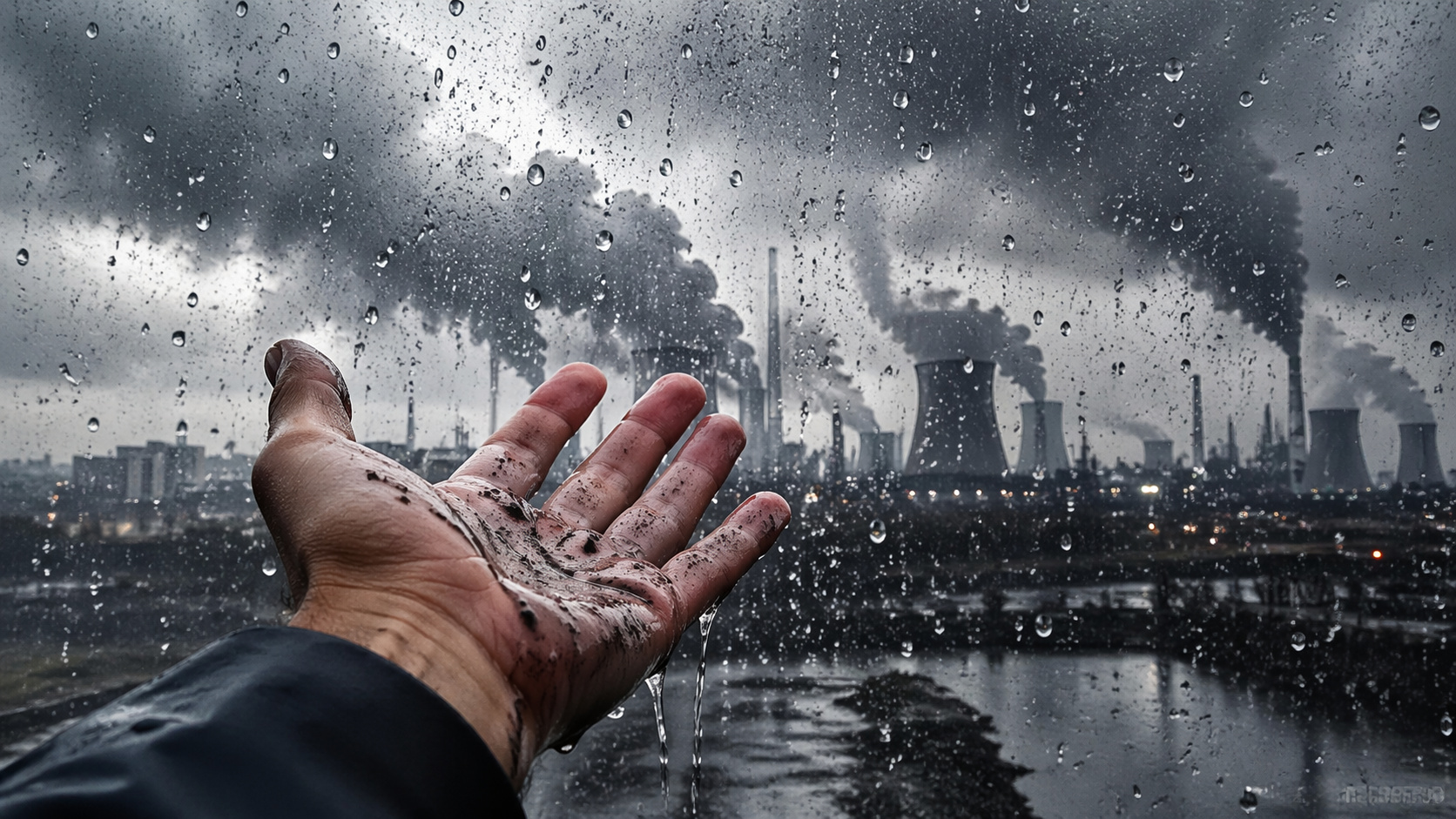
Dangerous acid rain has already occurred in the Cubatão region in Brazil, in the Asian Continent and in Iran, and can affect health, destroy vegetation, and cause real impacts in urban and industrial areas
The idea that rain can be dangerous is no exaggeration in some regions of the world. Dangerous acid rain has already caused severe environmental damage and continues to be a threat in areas with high industrial pollution.
The impact goes beyond nature. Constant exposure can lead to respiratory problems, skin irritations, and infrastructure damage, showing that this phenomenon is not just a topic for school books.
What is acid rain and why can it become dangerous
Acid rain occurs when pollutants released into the atmosphere mix with cloud water. These pollutants include sulfur dioxide and nitrogen oxides, common in industrial regions.
-
Survivor of 1966 SS Daniel J. Morrell Shipwreck in Lake Huron Recounts 38-Hour Ordeal in Extreme Cold

-
The Greatest Hoax in World Cup History? The Film That Denied Brazil’s 1958 Victory and Exposed How Fake Evidence Can Seem Convincing on TV
-
Fake South Korean Online Stores Offer Shopping Thrill Without Spending Money or Receiving Products
-
The War of Jenkins’ Ear: How a Severed Ear Sparked One of the 18th Century’s Most Unusual Conflicts


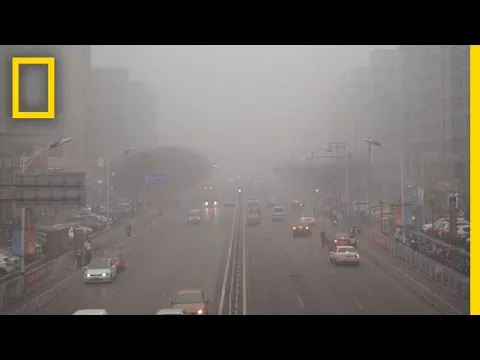

This process reduces the pH of rain. While normal rain has a pH close to 5.5, levels below 5.0 already indicate a worrying condition, with the potential to cause damage to the environment and human health.
The investigation was published by National Geographic Brazil, a magazine specializing in environment and science, highlighting that this phenomenon is directly linked to the burning of fossil fuels.
Cubatão became known as a real example of acid rain in Brazil
Cubatão, in São Paulo, became known in the 1980s as one of the most polluted cities in the world. The level of pollution was so high that acid rain caused destruction of vegetation, environmental degradation, and direct impact on local ecosystems.
The situation has improved over the years, but the case is still used as a reference to show how the combination of industry and pollution can turn rain into a real risk.
This example reinforces how urban and industrial regions can face serious consequences when there is no adequate control of emissions.
China and regions of Asia face constant impacts
In parts of China, the intense presence of industries keeps the problem active. Acid rain in these areas contributes to agricultural losses, soil degradation, and even increased environmental risks, such as landslides.
In addition to environmental impacts, the population also suffers. Exposure to acidic particles in the air can worsen respiratory diseases and reduce the quality of life in large urban centers.
National Geographic Brazil, a magazine specializing in environment and science, reinforces that this type of pollution is still a challenge in highly industrialized regions.
Tehran raised a recent alert after pollutant release
In 2026, the city of Tehran, in Iran, went on alert after attacks on oil depots and a refinery. The release of pollutants increased the risk of acid rain formation in the region.
The scenario raised concerns about eye irritation, respiratory problems, and possible skin damage, in addition to more severe effects in cases of prolonged exposure.
This type of situation shows how industrial and environmental events can rapidly intensify the risks associated with acid rain.
How acid rain affects people’s health
Despite not having the same strength as a pure acid, continuous exposure to acid rain can cause irritations to the skin, eyes, and respiratory tract.
People with diseases such as asthma and bronchitis are even more vulnerable. Inhaling acidic particles can worsen symptoms and increase the risk of pulmonary complications.
In more severe cases, pollution associated with acid rain contributes to health problems that can lead to serious consequences.
Damage to plants, soil, and urban structures
The effects of acid rain are also visible in nature and cities. Soils with low acidity neutralizing capacity suffer from nutrient loss, which hinders plant growth.
Forests and green areas can be destroyed over time. In addition, structures made of limestone and marble, such as monuments and buildings, are **gradually corroded**, accelerating wear.
Cars and other surfaces can also be affected, showing that the impact goes far beyond the natural environment.
Phenomenon remains linked to industrial pollution and fossil fuels
The origin of acid rain is directly linked to the burning of fossil fuels. In regions with stricter environmental control, problem levels have decreased over the years.
On the other hand, areas with accelerated industrial growth still face high levels of pollution, which keeps the risk active.
This scenario shows that emissions control is essential to reduce impacts and protect both the environment and people’s health.
Dangerous acid rain continues to be a reality in various parts of the world, with effects ranging from environmental destruction to health problems. The topic reinforces the importance of environmental policies and pollution control.
Did you ever imagine that rain could cause this type of impact? Leave your opinion in the comments and share this content with others.





Be the first to react!