Portuguese
  Spanish


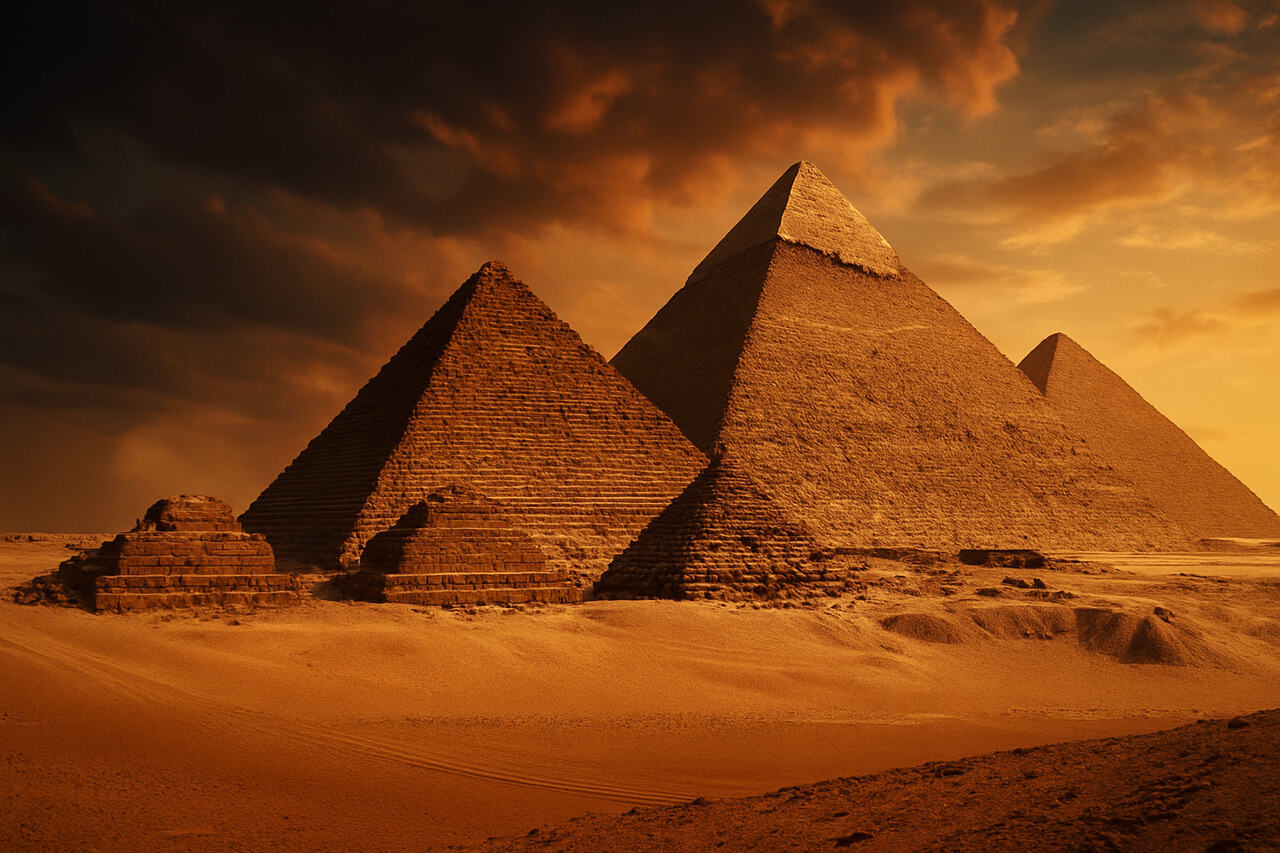


The Pyramids Withstand Millennia Thanks to Precise Engineering, Dry Climate, and Cultural Respect That Preserved the Structures
The Pyramids of Egypt stand firm in the desert after millennia. Even against time, wind, and sand, these structures remain almost intact. Their durability is impressive. But what explains such resilience?
Part of the answer lies in how they were constructed. The blocks of the pyramids fit together precisely.
And there is no use of traditional mortar. This hinders infiltration and erosion. The wind and sand, common in the desert, find fewer gaps to damage the structures.
-
How to Prevent Brown Recluse Spider Bites: Common Hiding Spots and Free Tips to Reduce Risks

-
Natto: The Unusual Japanese Superfood Gaining Popularity on Social Media and Driving Record Exports
-
Brazilian Mayor Goes Undercover as Homeless for 24 Hours to Assess Public Services

-
15-Year-Old Entrepreneur Malu Lira Publishes 20 Children’s Books on Financial Education, Earns $500,000, and Expands Her Project to the Amazon Rainforest




The climate also helps. Egypt has dry air and little rain. The absence of humidity protects the stones. In humid regions, ancient constructions tend to degrade more easily.
In the Egyptian desert, the pyramids benefit from the arid climate. Even with high temperatures, the thermal variation is lower than in rainy places.
The technique of the ancient Egyptians is also impressive. They knew how to distribute the weight of the stones intelligently.
The pyramidal shape ensures stability. The pressure is evenly spread across the base. This prevents cracks and collapses, even over the centuries.
The history and culture of Egypt also contributed. The pyramids hold great symbolic value. This discouraged destruction and reuse of materials over the years.
They were seen as sacred. Therefore, there was respect. Additionally, the constructions are far from urban areas. They remained protected from wars and vandalism.
These factors together explain the durability. Advanced engineering, a dry climate, and cultural respect formed an efficient combination. The pyramids continue to stand because of this.
This legacy shows how technical knowledge, geography, and culture can combine to ensure preservation.
Even today, the pyramids evoke fascination. They represent a landmark of engineering and human history. And they continue to teach.
With information from O Antagonista.