Portuguese
  Spanish


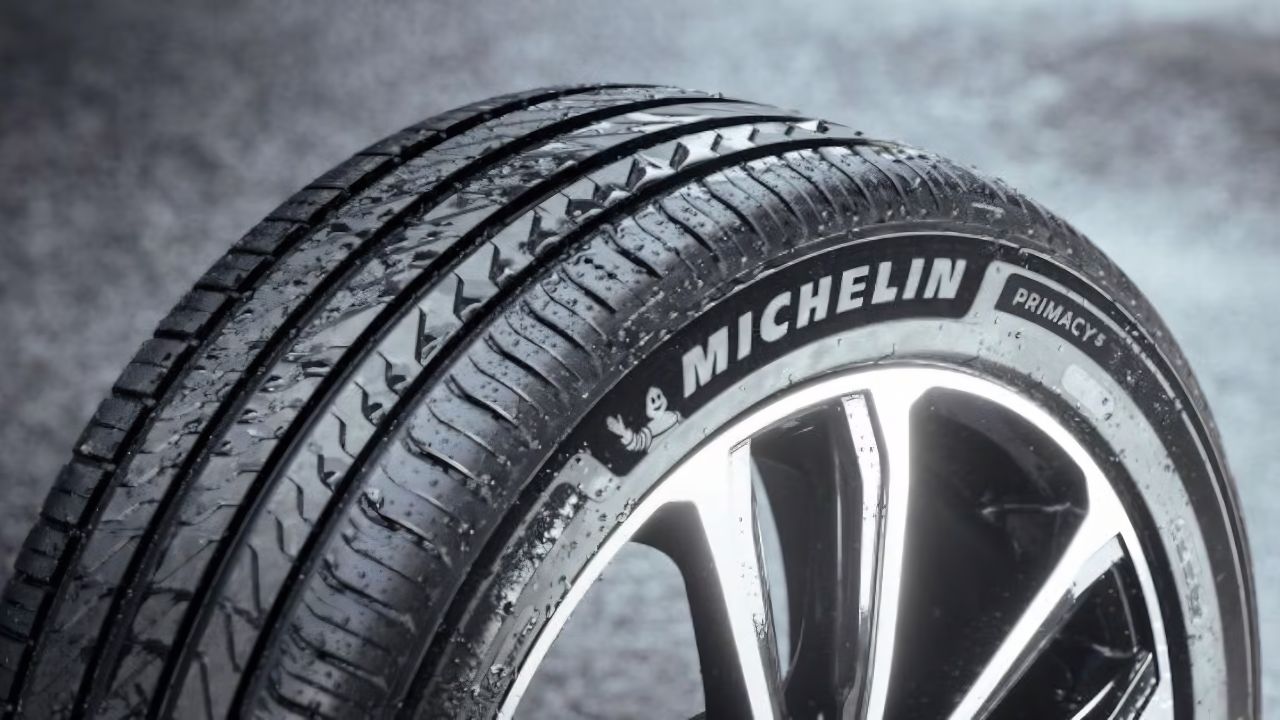

Michelin introduces new Primacy 5 tire to the Brazilian market, with 18% more lifespan, better braking in the rain, and low energy consumption.
Michelin confirmed the entry of the Primacy 5 into the Brazilian market. The new tire was created for sedans and SUVs — including hybrid and electric models — and brings advancements in three areas: safety, durability, and ride comfort. The novelty succeeds the previous generation with significant technical improvements, especially for those facing wet tracks or seeking greater energy efficiency.
Why do electric vehicles require a different tire?
Electric and hybrid cars have specific characteristics: they are heavier and deliver torque instantly, which demands tires with greater responsiveness. Additionally, as these vehicles operate very quietly, any external noise — including from the tires — becomes more noticeable.
To reduce this issue, the Primacy 5 features intermediate contact bands specifically developed to reduce noise and vibrations during driving, ensuring a more peaceful on-board experience.
-
Sales of Brazil’s Cheapest Electric Car Halted Before First Deliveries: E-Motors Suspends Emova Easy Due to Import Tax Increase and Rising Freight Costs

-
Nissan Discontinues Qashqai SUV Amid Cost-Cutting, Chinese Competition, and Product Line Review

-
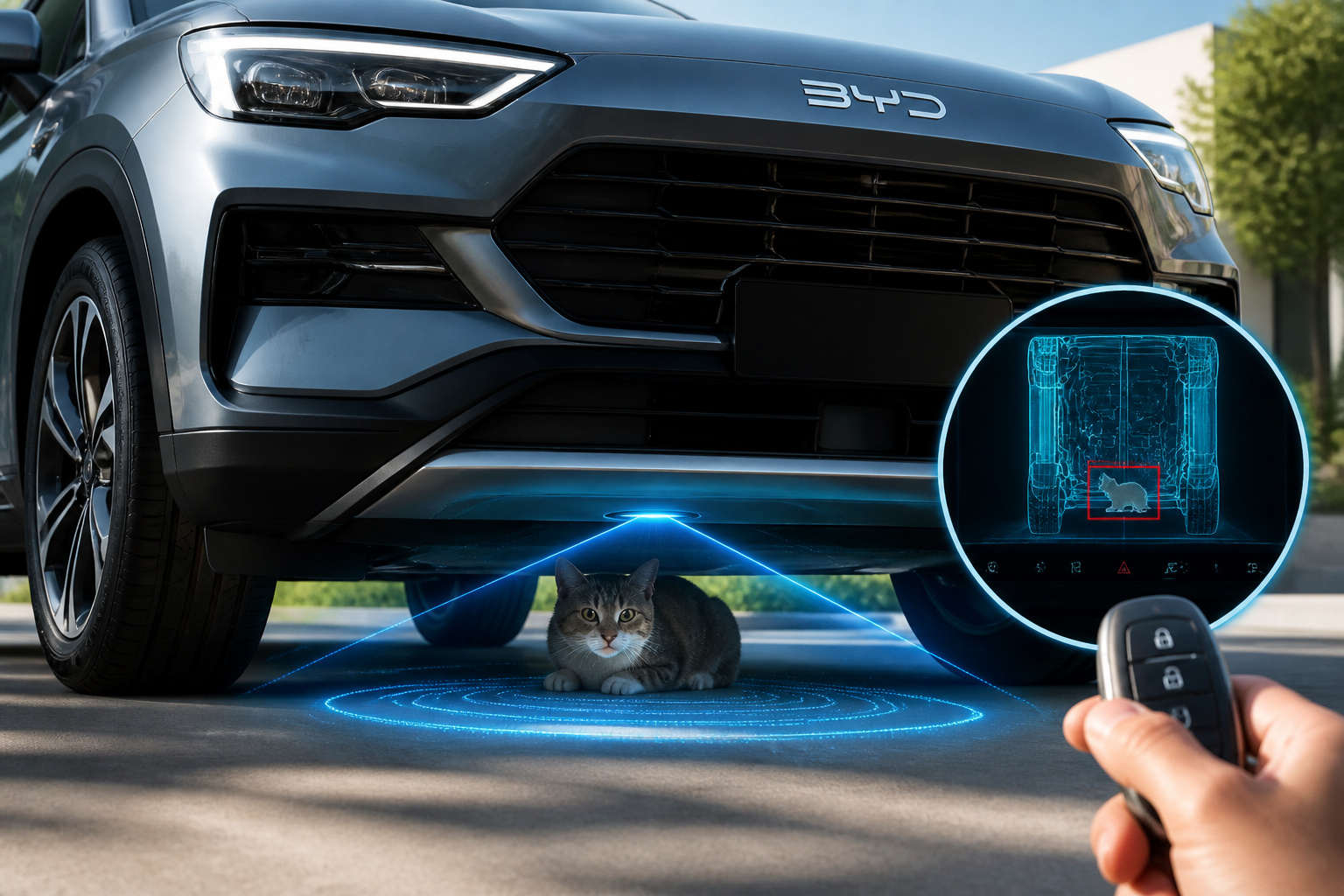
BYD Patents Revolutionary System Using Computer Vision to Detect Animals Under Cars Before Starting, Preventing Tragedies

-
Study Reveals Why Cars Are More Expensive to Produce and Buy in Brazil Compared to Mexico, Highlighting Taxes, Logistics, and Industrial Costs as Key Factors.




Michelin Primacy 5: what has changed in practice
According to the French manufacturer, the new model brings concrete evolutions compared to its predecessor. See the main highlights:
- 18% longer lifespan, which can represent about 7,000 kilometers more depending on usage conditions and the driver’s driving style
- 4% more efficient braking on wet surfaces, with a difference of up to 5.5 meters in stopping distance compared to competing tires in certain situations
- Rolling resistance reduced by 5%, which contributes to lower fuel consumption or greater range in electric vehicles
- Lower emission of noise and vibrations, especially relevant for electric car drivers
The technology behind rain safety
A large part of the braking gain comes from a redesign of the tire’s contact surface with the asphalt, combined with two systems developed by Michelin: Evertread and Evergrip. Together, they enhance the channels responsible for draining water, making drainage more efficient.
The differential of these technologies lies in the durability of performance: even with the natural wear of the tire over time, the ability to evacuate water is maintained. Therefore, the level of safety on wet tracks tends to be sustained longer than in conventional models.

Economy that shows up in the tank — or in the battery
The 5% reduction in rolling resistance means that the tire offers less friction against the ground while the vehicle moves. In practical terms, this translates to less energy spent to maintain speed — resulting in lower gasoline consumption for combustion cars and greater charge autonomy for electric vehicles.
Source: R7