






 Portuguese
  Spanish


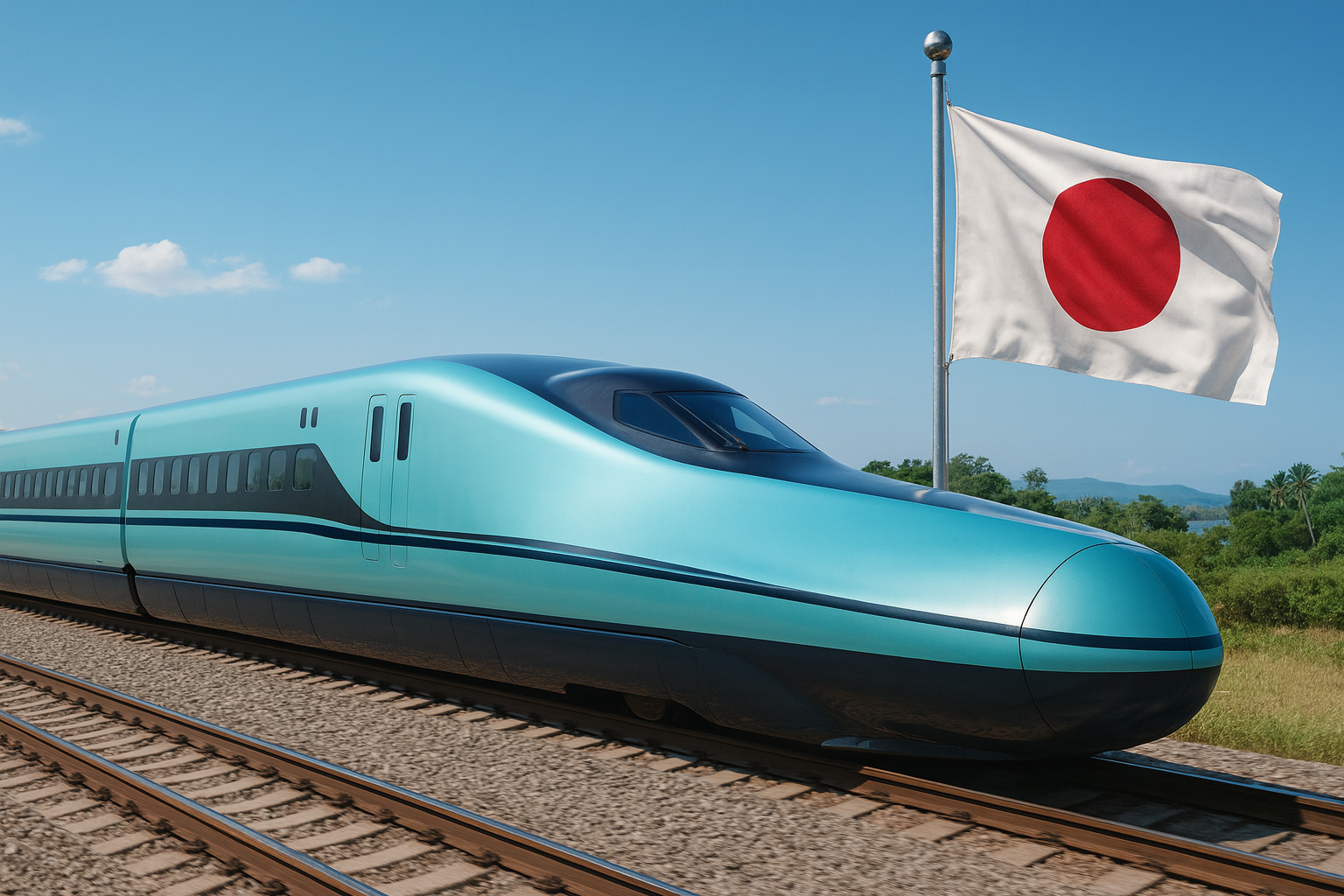


With Cutting-Edge Technology, Japan’s New Bullet Train Arrives in 2027 at 320 km/h with Earthquake Protection and a Paint Job That Honors the Country’s Natural Landscapes.
Japan, a global reference in high-speed rail transport, is preparing to launch a new generation of trains that promises to further revolutionize the sector. This is the E10 Shinkansen, the new bullet train of Japan that will be introduced on the Tohoku Shinkansen line, connecting Tokyo to the Tohoku region. Developed jointly by the East Japan Railway Company (JR East) and the British design studio Tangerine, the vehicle is expected to enter operation starting in 2027.
The project stands out for combining seismic safety technology, aerodynamic performance, speeds of up to 320 km/h, and a visual design that honors the country’s natural elements. With this, the E10 Shinkansen is not only faster but also safer and visually striking.
Earthquake System: Safety as a Priority
Among the most notable innovations is the focus on seismic safety. As a country with a high incidence of earthquakes, Japan is constantly investing in technologies to keep its rail transport safe. The new bullet train is designed to withstand earthquakes and features specially designed resources to maintain stability in the event of seismic shocks. The integrated technologies include:
-
The Port of Itaqui closes the best first semester in history with over 17 million tons and takes off as the locomotive of the Northern Arc.

-
Brazil’s North-South Railway to Auction Two Grain Terminals in Central Tocantins

-
AI-powered traffic cameras in São Paulo now issue fines for cellphone use and seatbelt violations around the clock

-
Free Upgrade to Professional Driver’s License Categories in Over 130 Locations in Brazil, Including Exams and Courses



- Derailment Prevention System
- Side Dampers that reduce vibrations in case of an earthquake
- Shorter Stopping Distance Brakes, for rapid emergency stops
These elements are designed to ensure that the E10 Shinkansen operates safely even in extreme situations, enhancing the confidence of passengers and operators.
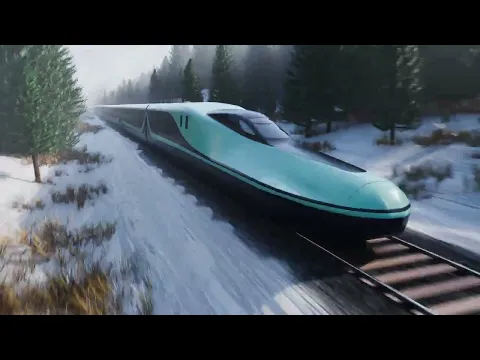

High Speed with Stability and Efficiency
With an estimated maximum speed of 320 km/h, the E10 Shinkansen matches the fastest trains already operating on the Tohoku Shinkansen line, such as the Hayabusa. The promise is to offer fast journeys without compromising comfort or safety, even on long distances.
For comparison, most bullet trains in Japan reach speeds between 250 and 300 km/h. The new generation represents a technological advancement, made possible by improvements in aerodynamics, materials, and traction systems.
Design Inspired by Forests and Cherry Blossom Flowers
Another differentiator is the exterior design of the new Japanese bullet train. The paint job of the cars has been developed to create a visual connection with the regions the train passes through, including references to Japan’s forests and coastlines. The body adopts green tones, evoking the natural landscapes, and curved pink lines representing the famous sakura (cherry blossom) flowers, a symbol of the country.
In addition to its visual appeal, the aesthetics serve an emotional function: to reinforce the bond between the passenger, the territory, and the travel experience. The design of the interiors has not yet been unveiled, but it is expected to follow the same conceptual line of comfort, beauty, and innovation.
Tohoku Shinkansen Line: A Strategic High-Speed Corridor
The Tohoku Shinkansen line is one of the most important in Japan, connecting the capital Tokyo to the northern regions. Currently, different types of trains operate on this corridor:
- Hayabusa Shinkansen: the fastest, reaching up to 320 km/h
- Hayate Shinkansen: connects Tokyo to Morioka
- Yamabiko Shinkansen: connects Tokyo to Sendai and Morioka
- Nasuno Shinkansen: makes all stops between Koriyama and Tokyo, being the slowest
- Komachi Shinkansen: shares part of the route with the Hayabusa
The arrival of the E10 represents an upgrade to the fleet, which is expected to replace the E2 and E5 models, combining greater safety, higher speed, and a striking appearance.
Why is the New Japanese Bullet Train a Milestone?
The E10 Shinkansen symbolizes the next step in railway engineering in Japan. Combining Earthquake-Resistant Technology, Eco-Friendly Design, Enhanced Performance, and Cultural Appreciation, it reflects Japan’s commitment to excellence in public transport.
Furthermore, the project aligns with sustainability, employing lighter materials and optimized traction systems, reducing energy consumption without sacrificing power.
When Does the E10 Shinkansen Start Operating?
The official launch is scheduled for 2027, and operational testing is expected to begin earlier, between 2026 and early 2027, according to the initial schedules of the East Japan Railway Company. Initially, it is expected to operate during strategic hours, gradually replacing older trains on the line.
With the new E10 Shinkansen bullet train, Japan strengthens its position as a leader in high-speed rail transport. The combination of technology, safety, efficiency, and design makes the E10 a model that not only meets present needs but anticipates future challenges.
For those following the railway sector or dreaming of exploring Japan on rails, the E10 Shinkansen is an exciting promise of what the future of fast and safe travel will look like in the Land of the Rising Sun.


