Portuguese
  Spanish


The North-South Railway, the backbone of tracks that cuts across Brazil from end to end, will auction off two bulk terminals in the heart of Tocantins, betting on attracting R$ 92 million in private capital to transport the Cerrado harvest with fewer trucks and more trains.
The start was given by Infra S.A., the state-owned company responsible for structuring transportation concessions, which opened a public consultation to receive contributions before taking the areas to auction. This is the stage where the government shows its cards and listens to the market about the rules of the game.
I confess that I like this type of news precisely because it lacks glamour. It’s not a grandiose project or a headline record, but it’s the small piece that keeps the agribusiness machinery running, without which everything else stalls.
What are the terminals and where are they located
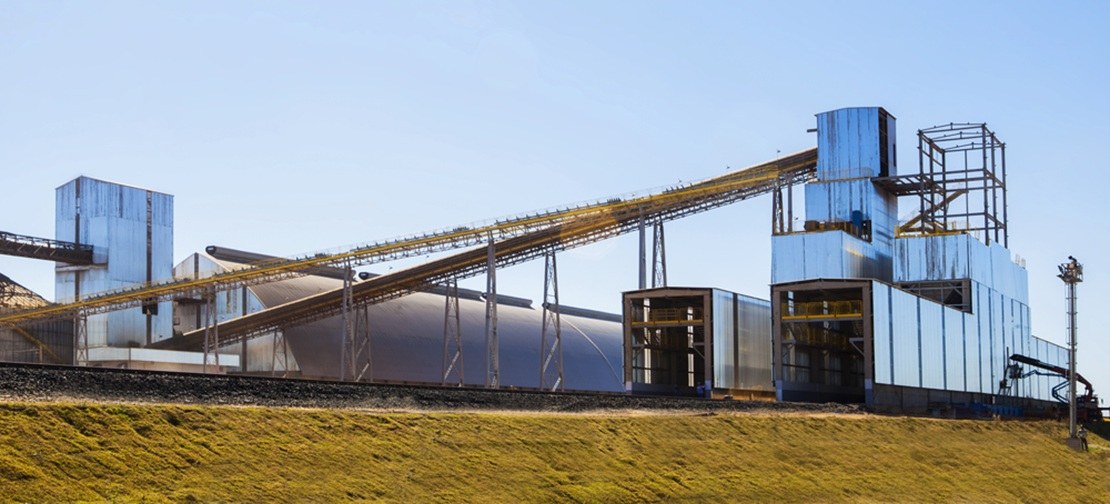
There are two assets, both in Tocantins, fitted into the North-South route. The first is the Porto Nacional Logistics Terminal, with a storage capacity of about 19,200 tons. The second is located in Palmeirante, divided into lots, with a capacity of approximately 32,000 tons. Combined, the two terminals have over 51,000 tons of static capacity.
-
Trump’s 25% Tariff Threatens Brazilian Products: WEG, Portobello, and Schaefer Lobby in the U.S. to Protect Exports and Jobs from Chinese Competition

-
Former Mastercard VP Launches “Tinder” for Small Businesses, Aiming for 6,000 Deals Worth $420 Million by 2027

-
“MasterChef” Judge Expands Handcrafted Empanada Chain to 46 Stores, Aiming for $20 Million in Franchise Revenue

-
AI-powered traffic cameras in São Paulo now issue fines for cellphone use and seatbelt violations around the clock


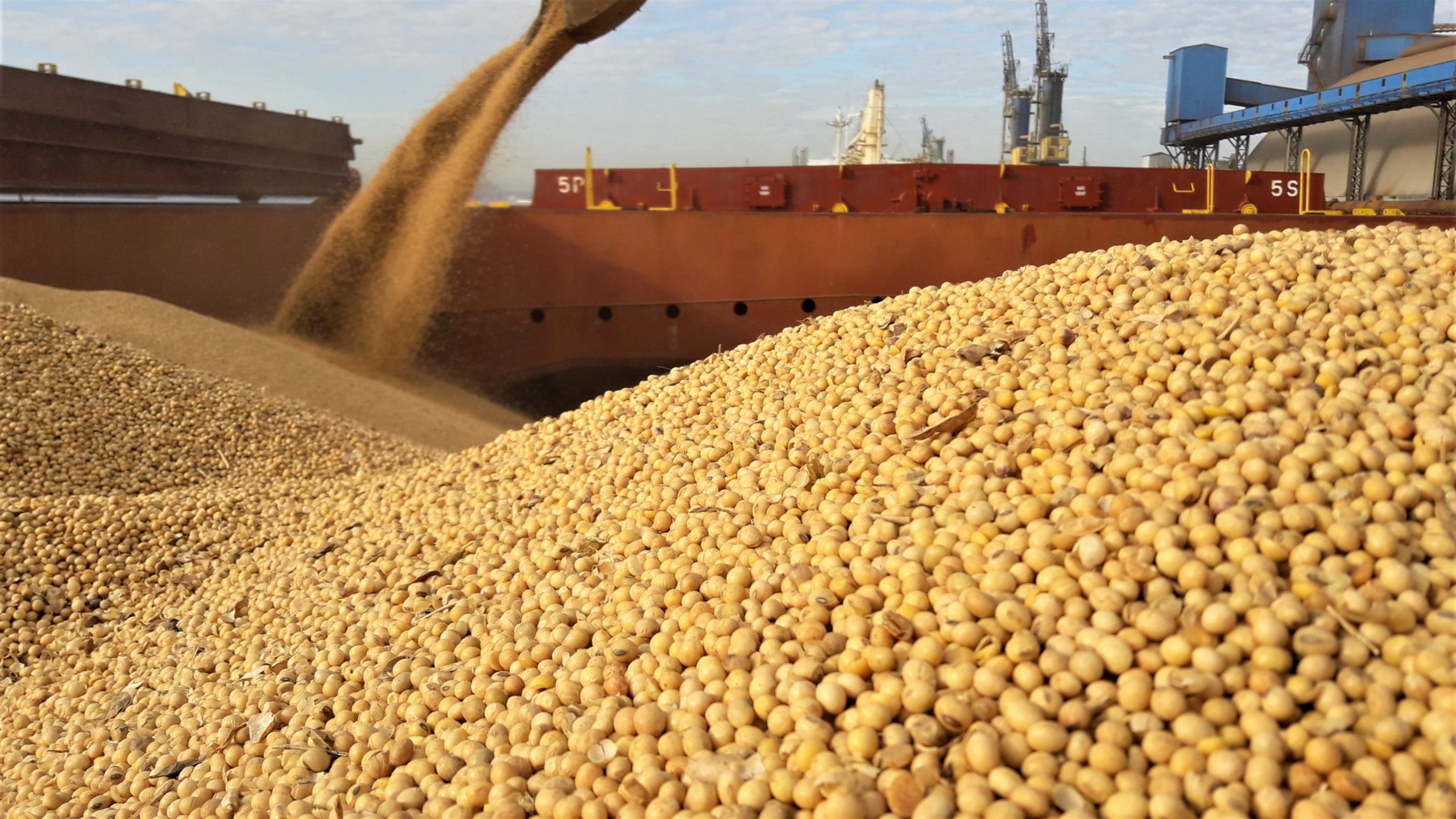
The idea is simple and powerful: transform these points into bridges between the farm and the tracks. The grain leaves the farm by truck, is stored at the terminal, and boards the train that will take it to the ports, cutting distance, cost, and emissions along the way.
Why Tocantins is a key piece
The terminals aim at the flow of production from the Midwest and, mainly, from the region known as MATOPIBA, the acronym that includes Maranhão, Tocantins, Piauí, and Bahia, the fastest-growing agricultural frontier in the country. From there comes a growing share of Brazilian soy and corn, often from farms hundreds of kilometers away from any port.
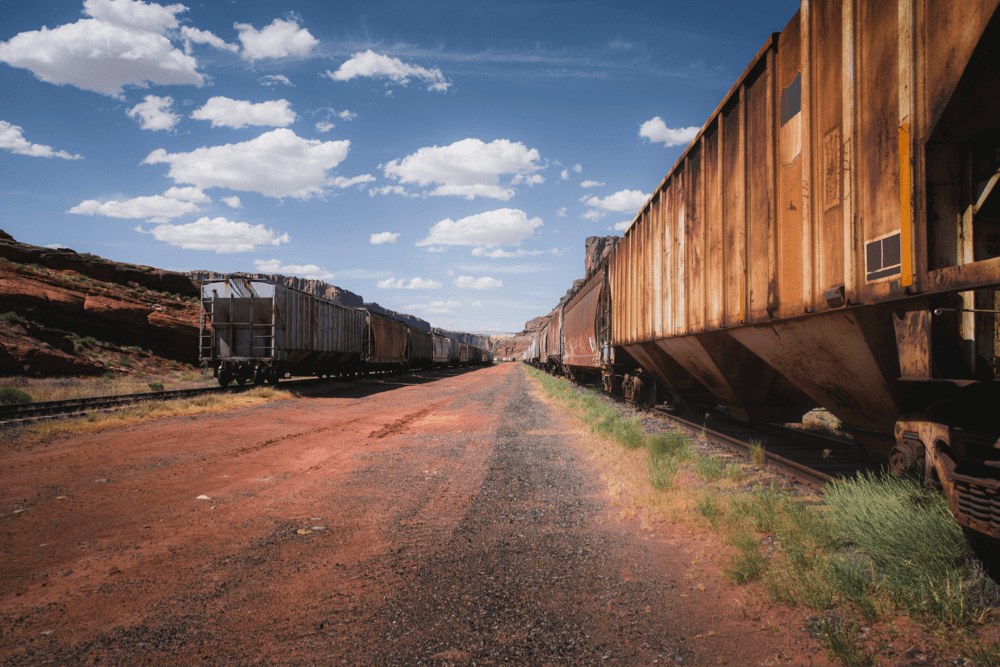
In this map, the North-South functions as a central corridor linking the heart of Brazil to the ports in the North and Southeast. Each new terminal along the line is another faucet to pour grain onto the tracks instead of sending it by road, in a country where the truck still carries too much weight in the logistics account.
What the auction aims to unlock
Infra S.A. expects to attract around R$ 92 million in private investments with the concession of the two terminals. It’s not a value that impresses on its own, but the effect is multiplying: each well-operated private terminal frees up storage capacity, reduces the time the grain remains idle, and increases the volume the railway can move.
The public consultation remains open for a few weeks, and the auction is scheduled for September this year. If the schedule is met, the terminals could be under new operation before the next major harvest knocks on the door.
The logistics that decide the grain price
In agribusiness, those who produce well but transport poorly lose money along the way. The so-called Brazil cost resides precisely there, in that stretch between the harvest and the ship, and it’s where the difference between profit and loss is often decided. Every extra kilometer traveled by truck is a margin that evaporates.
That’s why an apparently small auction like this deserves attention. The North-South Railway won’t make headline news, but it, and the terminals connected to it, will determine whether Brazilian grain arrives competitively on the other side of the ocean or loses the race in its own backyard.
Do you think Brazil will finally take the harvest off the road and onto the tracks, or will the truck continue to dominate?