Portuguese
  Spanish


While the major ports of the Southeast compete for headlines, it was in Maranhão that Brazil quietly broke its record: Porto do Itaqui closed the first half of 2026 with over 17 million tons handled, the best semester in its history, consolidating its role as the locomotive of the Arco Norte.
The number didn’t come from a lucky isolated month. It came from a sequence. Itaqui started the year marking the best January in the historical series, with a 44% increase in handling, and in May broke the record for solid bulk, with about 2.7 million tons in a single month, 2.1 million of which were soybeans. When you add up everything from January to June, the public port of São Luís surpassed the 17 million ton mark and rewrote its own benchmark.
To understand the magnitude of the achievement, it’s worth remembering that the port has been breaking record after record. Even last year, a single month of July managed to handle 3.76 million tons with 112 ships docked, a mark surpassed weeks later. What was an exception became routine, and the routine now delivers an entire semester at an unprecedented level.
Why production from the Midwest started leaving through Maranhão
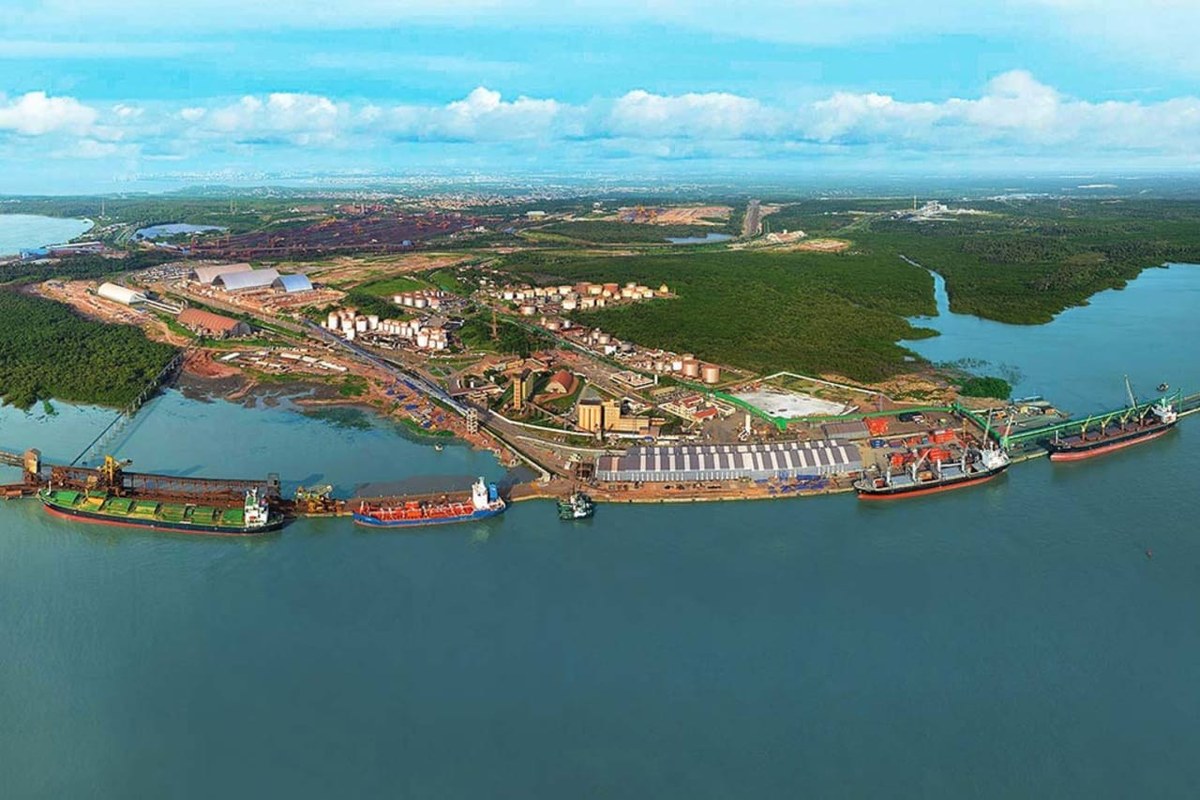
The explanation lies on the map. Itaqui is at the tip of the Arco Norte, the logistics corridor that drains the production from the Midwest and MATOPIBA, the agricultural frontier that joins Maranhão, Tocantins, Piauí, and Bahia. Driven by the Ferrovia Norte-Sul and the Centro-Oeste–Norte corridor, soybeans from Mato Grosso find a shorter path to Asia and Europe there than descending to Santos or Paranaguá.
-
Brazil’s North-South Railway to Auction Two Grain Terminals in Central Tocantins

-
AI-powered traffic cameras in São Paulo now issue fines for cellphone use and seatbelt violations around the clock

-
Free Upgrade to Professional Driver’s License Categories in Over 130 Locations in Brazil, Including Exams and Courses
-
Bus Drivers in Sorocaba, Brazil, Avoid Strike and Secure 10.53% Pay Raise, Setting Wage Benchmark for Other Regions




The geographical advantage is concrete. Departing from Maranhão, the ship saves days of travel towards the major buyers in the Northern Hemisphere, which reduces freight costs in grain export and fertilizer import. No wonder, fertilizers grew about 25% year-to-date, copper advanced 12%, and pulp gained momentum, moved by the terminal with lean management methods that tripled efficiency to nearly 16,000 tons per day.
And it’s not just grain. Ship-to-ship cargo transfer operations moved about 415,000 tons in a single month, double that recorded a year earlier. The port also became a fuel hub for the North region, with a good share of imported diesel and gasoline entering through the Maranhão quay. I imagine how much this diversification protects Itaqui from a bad harvest year: when grain falls, fuel and fertilizer hold the volume.
The bet that promises to keep the port growing until 2051
The record comes at a moment of institutional turnaround. In January, the Ministry of Ports and Airports extended until 2051 the concession of the port to EMAP, the Maranhão Port Administration Company, providing the long-term horizon investors were asking for. Along came the promise of R$ 1.3 billion in two auctions of new port areas later this year.
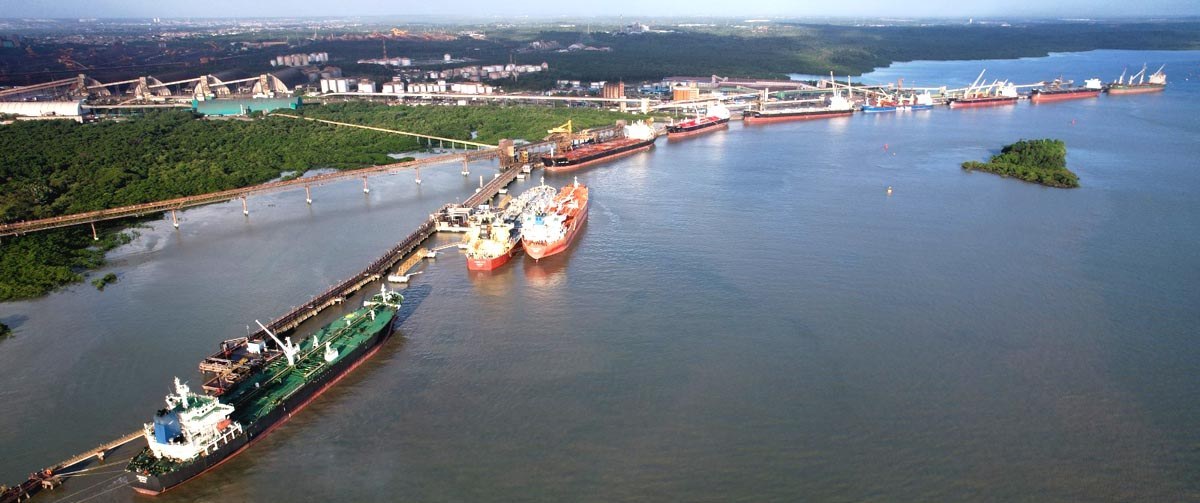
The most anticipated project is berth 98, scheduled for the second semester, which alone should add 8 to 10 million tons of capacity per year starting in 2027. There are also projects for a vegetable bulk terminal aimed at wheat, corn, and soybeans, a fertilizer transshipment area, and a new berth for liquid bulk, which alone adds 3.5 million tons annually. The infrastructure bottleneck, which has always been the port’s brake, is finally being tackled head-on, with works that should sustain the growth pace for the entire next decade.
“We really now broke the record for solid bulk, reaching approximately 2.7 million tons,” celebrated Oquerlina Costa, president of EMAP, recalling that the state’s port sector supports more than 100,000 direct and indirect jobs. Minister Silvio Costa Filho summed up the mood: “Porto do Itaqui today is a reference for the Northeast and Brazil.”
In soybean shipping, the Arco Norte already competes equally with the Southeast. The corridor concentrates about 40% of soybean shipments, an unthinkable share a decade ago, when almost everything descended to Santos and Paranaguá. Itaqui’s grain terminal is expected to handle 7.5 million tons per year as the structure matures, pulling along the entire economy of São Luís. Today, Itaqui is already among the four largest ports in Brazil in total handling, a position that practically confirms the shift of the country’s logistics axis towards the North.
The remaining bottleneck is not at the quay but before it. Storage capacity inland remains the weakest link in the chain, with a structural deficit that forces the producer to rush grain out during harvest time. While silos do not keep up with the record harvest, the port continues to be the escape valve that holds the pressure of the entire Midwest logistics system.
We usually associate the country’s logistical power with the Rio–São Paulo axis, but Maranhão’s numbers tell a different story. The Arco Norte has ceased to be a future bet and has become the present of Brazilian agricultural flow, and Itaqui is the piece that pulls this train. If the expansion is on time, the next record is already combined, and the Northeast finally gains the prominence that geography always promised.
Has the Arco Norte come to take the spotlight away from the ports of the South and Southeast once and for all?