Portuguese
  Spanish


Agreement reached between urban transport workers and companies ensures wage increase above inflation, raises the category’s minimum wage, and eliminates the threat of a strike in Sorocaba and Votorantim.
Bus drivers in Sorocaba and Votorantim will surpass the R$ 7,000 salary mark by 2026 following the approval of a new collective agreement. The agreement concludes weeks of negotiations in urban transport and removed the possibility of a strike that had been proposed by the category.
According to portal6.com.br, the proposal was approved after four rounds of discussions between workers and the companies responsible for operating the system. As a result, drivers’ salaries increase to R$ 6,780 with retroactive payment to May 1st and rise to R$ 7,051 in October.
In addition to the paycheck increase, the agreement also affects benefits paid to public transport professionals. The package includes adjustments in meal vouchers, benefit cards, and profit sharing, at a time when the category was pushing for a stronger proposal and rejecting previous alternatives.
-
Latin America’s Largest Port Invests $400 Million in Rail System with Trains Up to 2.4 Kilometers Long
-
New Smart Radar Begins Issuing Fines to Solo Drivers in Carpool Lanes, Uses Cameras to Count Occupants, Changing Traffic Enforcement Rules on Busy European Roads

-
Why can the crane operator only obey the correct signalman on the construction site: among dozens of workers, a hand raised by the wrong person can confuse the maneuver and turn a load of tons into an immediate risk.
-
What changes with the new public transportation rules that can reduce pressure on fares and pave the way for zero fare in Brazil?

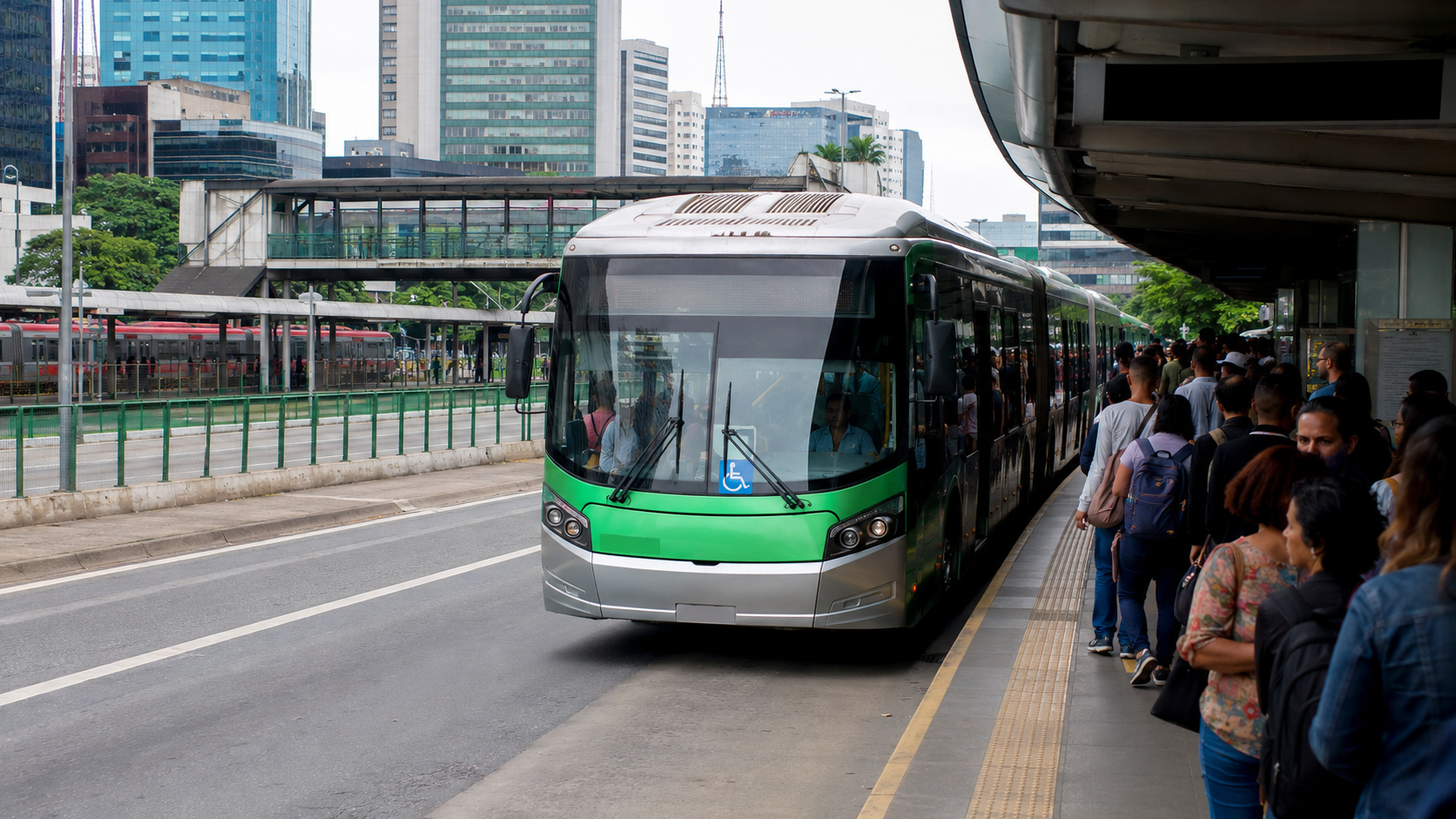
Salary first rises to R$ 6,780 and then reaches R$ 7,051

The salary adjustment provided in the agreement is 8.15%, above the inflation rate for the period, according to the original source. In practice, the new amount starts with a payment of R$ 6,780, retroactive to May 1st, and receives a new correction in October, when the drivers’ minimum wage reaches R$ 7,051.
This second step pushes the function’s remuneration above R$ 7,000 by 2026. For the category, the number has symbolic and financial significance, as it places drivers among the highest-paid urban transport workers in the region.
The threat of a strike disappeared after weeks of negotiation
Before approval, workers had already rejected previous proposals and authorized the possibility of a strike if there was no progress in the talks. The state of mobilization had been approved and increased tension in Sorocaba and Votorantim, which rely on the service for the daily commute of thousands of people.
With the agreement reached, the strike was ruled out. The negotiation concluded after four rounds between category representatives and companies, resulting in an outcome that avoided an immediate impact on urban transport in the two cities.
Benefits also included in the package, reinforcing the category’s gains
The agreement was not limited to drivers’ salaries. The meal voucher increases from R$ 1,150 to R$ 1,250, while the benefit card goes from R$ 430 to R$ 480. The profit sharing also rises, from R$ 2,900 to R$ 3,200.
Health and dental plans were maintained under existing conditions, with no changes reported in the available material. Overall, the package enhances workers’ indirect remuneration and extends the negotiation’s reach beyond the driver function.
Adjustment applies to all urban transport functions
Although drivers’ salaries were the most notable point, the adjustment was extended to all bus company functions. The agreement includes conductors, mechanics, inspectors, washers, and other professionals working in urban public transport in Sorocaba and Votorantim.
For the union, the result may serve as a reference for wage campaigns of transport workers in other regions of the country. The outcome in Sorocaba and Votorantim shows that, at least in this case, the negotiation managed to avoid a strike and deliver a gain above inflation for a category that had been pushing for appreciation.
If you follow wage agreements and changes in urban transport, it’s worth keeping an eye on future developments and sharing this news with those who depend on this service every day.