






 Portuguese
  Spanish


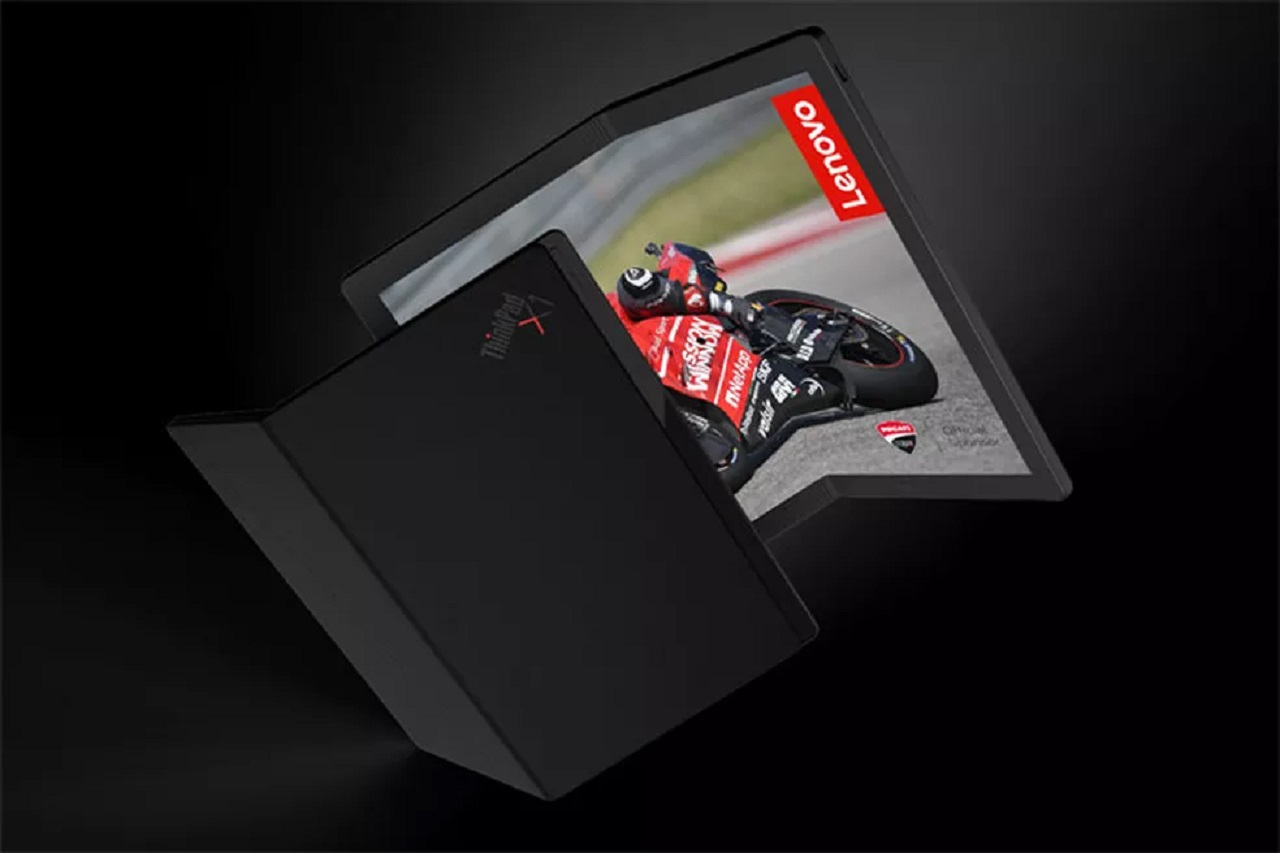

Meet the New Lenovo Foldable Tablet That Transforms Into a Hybrid Notebook, With a Flexible Screen and a Price Above R$ 9,000. Despite the Innovation, Users Report Concerns About the Fragility of the Model.
The advancement of foldable screen technology reached a new milestone in 2025 with the launch of one of the year’s boldest devices: the Lenovo foldable tablet, which also functions as a high-performance hybrid notebook. With a futuristic design, compatibility with a magnetic keyboard, and a price above R$ 9,000, the model is presented as a versatile solution for productivity and entertainment.
However, despite its visual appeal and multitasking features, users and experts have begun to report concerns regarding the durability of the flexible screen, raising doubts about whether the device is ready for intense daily use. Even being one of the main technological launches of 2025, the product is not free from controversies.
A Milestone in Foldable Technology: What Is the Lenovo ThinkPad X1 Fold 2025?
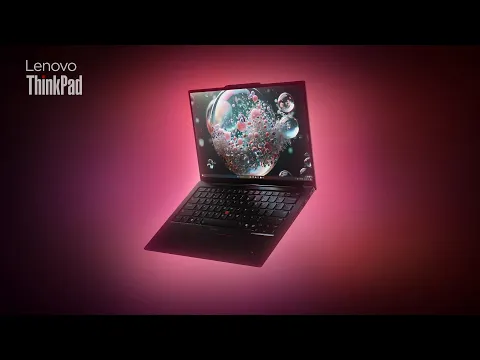

The new model presented by the company is an update of the Lenovo ThinkPad X1 Fold line, already known for its pioneering foldable screens. The product now features a 16.3-inch OLED screen when fully opened, with a 2.5K resolution, and can be folded in half to assume the shape of a traditional hybrid notebook, with a detachable keyboard and stylus support.
-
What is a red flashlight used for, after all? See why it is so commonly used at night.

-
He has never read a line of code, but he already knows how to work: the French company UMA presented in Paris the Northstar, its first AI-powered humanoid robot designed for factories and warehouses, capable of copying tasks just by observing an employee in action.

-
A young Kenyan engineer collects plastic waste from the streets and transforms it into robots that translate physics lessons into sign language in real-time, a machine made with old bottles that teaches what was missing to deaf children left out of science.
-
What is the dark substance found in the sand of Ipanema Beach? Civil Police conduct an examination, collect samples of the material, and initiate an investigation to identify the composition, clarify the origin, and verify if there was an environmental crime.




According to a statement from the Lenovo Newsroom, the device has been redesigned to offer greater structural robustness and better thermal performance, in addition to featuring 12th generation Intel Core processors and up to 32 GB of RAM. The internal memory can reach 1 TB, making the device suitable for video editing, advanced multitasking, and corporate use.
Despite its top performance, it is the flexible screen that defines the concept of the device—and also its biggest point of discussion.
Flexible Screen: Visual Revolution or Disguised Fragility?
The idea of a tablet that transforms into a notebook appeals to both home users and professionals. However, the foldable flexible screen is still a relatively new technology subject to physical limitations. According to analyses from TechRadar and The Verge, the Lenovo model shows good visual response, intense brightness, and vibrant colors but presents noticeable fragility at the fold.
Extended use tests identified risks of permanent marks at the flex point, along with the need for greater care when handling the device. Users also reported the sensation that the screen “gives” over time, especially in areas near the hinge.
This concern, which also affects other products with foldable screens like Samsung’s Galaxy Z Fold, raises a flag for more discerning consumers. The risk of wear, combined with the high price, raises the question: Is the technology mature enough?
Lenovo Foldable Tablet: Continuous Innovation Despite Challenges
Lenovo has been aggressively positioning itself in the premium device sector. The year 2025 brought not only the new foldable tablet but also ultra-light notebooks, mobile workstations, and solutions for the corporate market. The bet on hybrid design meets a growing demand for portable devices that offer versatility without sacrificing performance.
According to the company itself, the new generation of the ThinkPad Fold has undergone over 20,000 open and close cycles in laboratory tests, with improvements in the hinge and protective layers on the screen. Still, the inherent limitations of flexible screen technology remain—and this is not exclusive to Lenovo.
Hybrid Notebook or Premium Tablet? Who Is the Target Audience?
The Lenovo foldable tablet with an OLED screen is positioned in the high-value hybrid notebook segment and not as a substitute for regular tablets. Its technical profile and price—which exceeds R$ 9,000 in Brazil—highlight the focus on design professionals, executives, developers, and technology enthusiasts.
In terms of usability, the model is ideal for those who:
- Use multiple windows and simultaneous applications
- Work with mobility and need format flexibility
- Value innovation and aesthetics
- Are willing to invest heavily in a distinctive technological launch
The detachable keyboard, which can be magnetically attached to the screen, transforms the device into a full notebook, but the real advantage lies in portability, without sacrificing a large screen with high resolution.
Technical Specifications (Official Lenovo Base)
- Screen: OLED 16.3” (open) – resolution 2560 x 2024 – stylus compatible
- Processor: Intel Core i5 or i7 (12th generation)
- RAM: up to 32 GB LPDDR5
- Storage: up to 1 TB SSD
- Operating System: Windows 11 Pro
- Weight: approximately 1.3 kg (without keyboard)
- Battery: estimated autonomy of up to 11 hours
- Connectivity: Wi-Fi 6E, Bluetooth 5.2, 2x USB-C Thunderbolt ports
- Accessories: Bluetooth detachable keyboard with touchpad, stylus, protective cover
These specifications place the product at the top of its category but reinforce its niche positioning: it is not a device for the general public, but for users willing to pay for the experience.
Technological Launch Under Critical Analysis
The specialized press has praised Lenovo’s initiative to bring a new version of its foldable line to market with important advancements. However, critics unanimously point out that while the project is ambitious, the technology still requires maturation to ensure longevity.
According to Canaltech, the new model represents “a leap in design and purpose,” but emphasizes that usability must be accompanied by constant care for the screen. In other words: it is a showcase of innovation, but with practical risks.
Meanwhile, The Verge states that the Lenovo Fold “is an impressive piece of hardware,” but its real advantage will only be perceived if the wear issues are solved in future generations.
Price in Brazil and Comparison with Conventional Notebooks
The new Lenovo foldable tablet has a suggested price of R$ 9,000 to R$ 13,000, depending on the configuration. This puts it above various premium ultrabooks with screens ranging from 14 to 16 inches, such as the Dell XPS, Apple MacBook Air, or Asus Zenbook.
The advantage, however, lies in the versatility of the flexible screen and the ability to use it as:
- A notebook with a physical keyboard
- A full-screen tablet
- A double-folded screen for multitasking
- A graphic station with stylus and magnetic support
This versatility justifies part of the cost, but still does not eliminate the inevitable comparison with other devices of similar value, but more robust and reliable in the long run.
Sustainability and Commitment to Innovation
Lenovo has been investing heavily in sustainable technology and recyclability. According to the brand’s official website, the new X1 Fold is made from recyclable materials, has eco-friendly packaging, and follows Energy Star’s low power consumption standards.
Moreover, the device is compatible with the brand’s electronic recycling program, which has become essential for consumers concerned about the environmental impact of premium products.
Is It Worth Investing?
The answer depends on the usage profile. For the corporate audience, creative professionals, and users passionate about innovation, the Lenovo foldable tablet may be a revolutionary tool, especially for its format flexibility and image quality.
However, the perceived fragility of the flexible screen and the high cost are factors that require reflection. Conventional users, who prioritize durability and cost-benefit ratio, will still find more security in traditional notebooks or tablets with rigid structures.


