





 Portuguese
  English
  Spanish
  4 min of reading
  0 comments


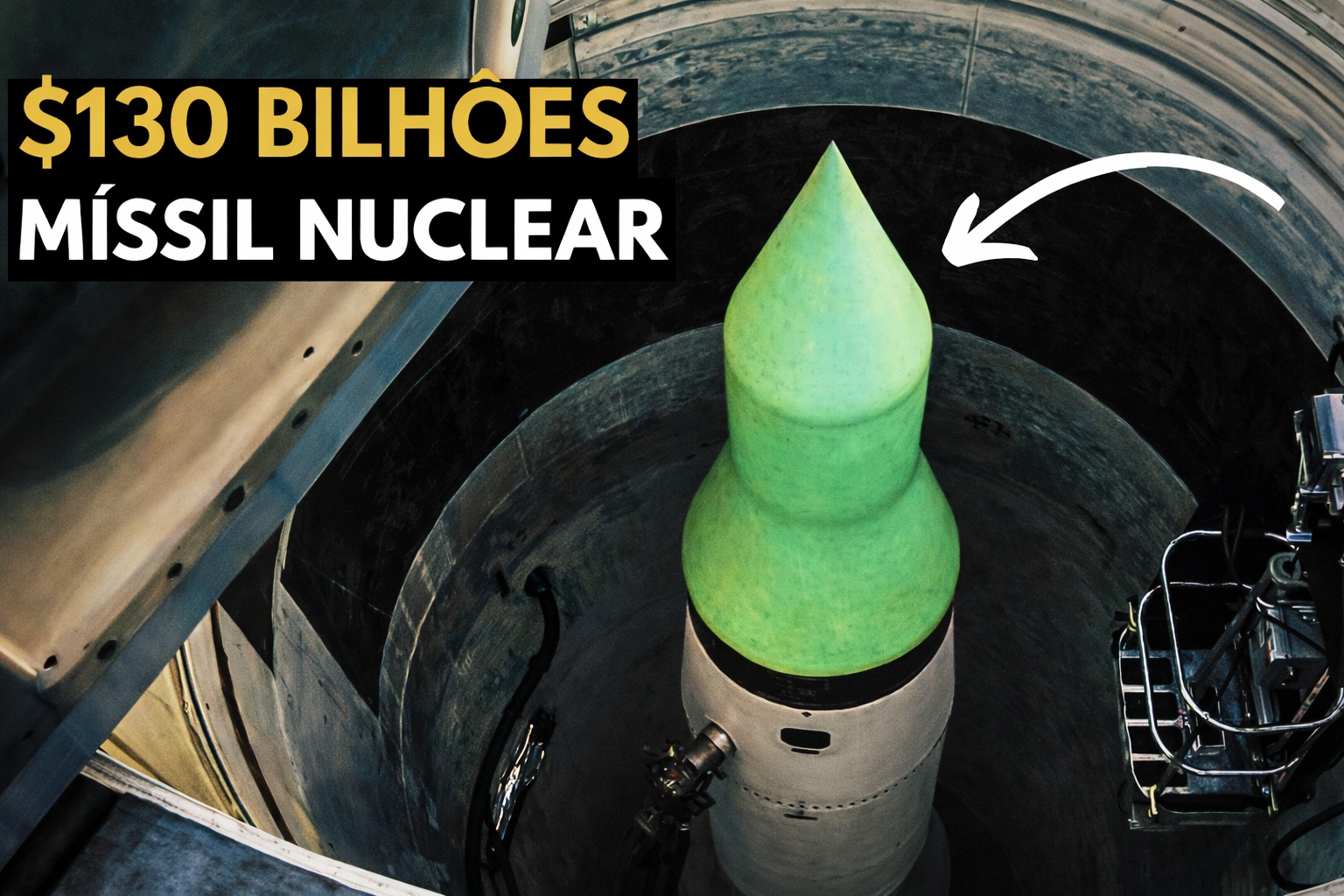
With 400 Missiles On Alert, Operation Planned Until 2075 And Cost Exceeding US$ 130 Billion, The LGM-35 Sentinel Redefines The U.S. Ground Nuclear Deterrence In The 21st Century.
The United States’ decision to completely replace the Minuteman III system, in operation since the 1970s, was not just a technological modernization. The LGM-35 Sentinel represents a complete re-engineering of the U.S. ground leg of nuclear deterrence, with a strategic impact that extends for decades and a cost that already places it among the most expensive military programs in the country’s history.
The Sentinel was not designed to be just a new missile, but to sustain the credibility of the U.S. ground nuclear arsenal until at least 2075, in a world marked by new powers, hypersonic weapons, and increasingly sophisticated missile defense systems.
The End Of Minuteman III And The Birth Of A Successor
The Minuteman III entered service in 1970 and, even after successive upgrades, has come to be considered structurally limited. Many of its components, silos, and command systems were designed for a Cold War context that no longer exists.
-
Students drop out of ESA after reports of sergeants driving for Uber, and a silent crisis in the Armed Forces begins to worry candidates in 2026

-
More than 500 Marines, robots, drones, and armored vehicles are deployed in Rio de Janeiro for the UN to certify Brazil at the highest level of readiness for peacekeeping missions. It is the first force in the country to achieve this status in all of history.

-
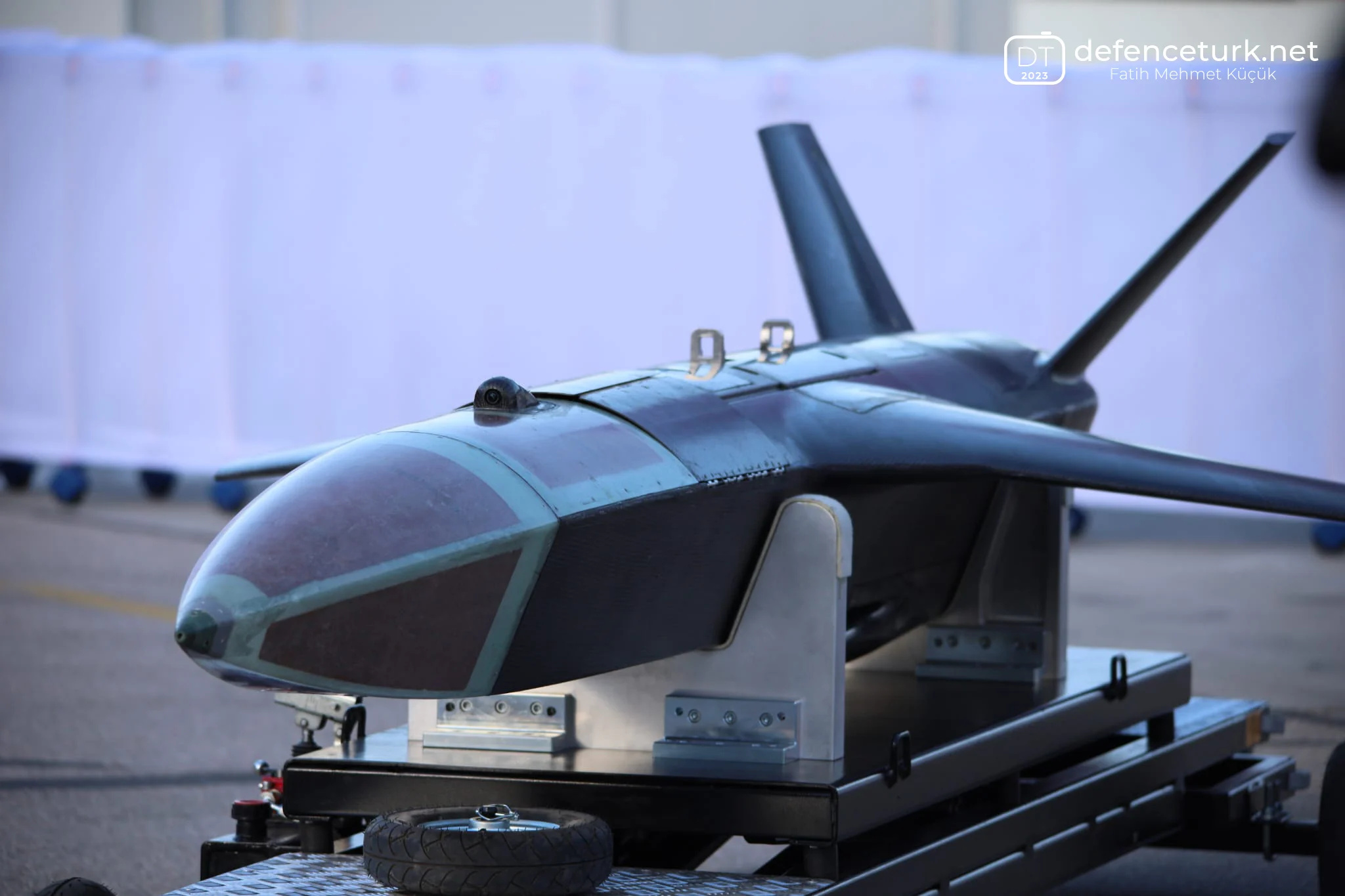
With 24-meter wings, two turbodiesel engines, 49 hours of autonomy, and the ability to launch sonobuoys to hunt submarines, the Turkish drone Aksungur can monitor an area the size of Brazil for two consecutive days without landing.

-
Pentagon wants to transform drones into mass ammunition, produce 340,000 units in two years, and lead the US Army to a fleet of 1 million disposable aircraft for modern warfare.




The Sentinel emerges precisely to replace 400 Minuteman III missiles currently kept on alert, scattered across bases in the states of Montana, Wyoming, North Dakota, Colorado, and Nebraska. The idea is not to increase the number of warheads, but to ensure reliability, safety, and survivability of the system in a much more complex strategic environment.
An Architecture Designed To Last Half A Century
One of the central points of the LGM-35 Sentinel is its projected service life until 2075, something uncommon even for strategic programs. This requires a modular architecture, capable of receiving software updates, communications, and integration with new command and control systems over the decades.
Unlike the Minuteman III, the Sentinel was conceived from the start to operate in a digitalized environment, with command systems more resilient to cyber attacks, electronic interference, and attempts to decapitate the decision chain.
400 Missiles, Hundreds Of Silos, And A Continental Network
Although only 400 missiles remain on alert, the program involves approximately 450 silos, as well as control centers, air bases, communication infrastructure, and support routes spread over thousands of kilometers.
This geographical dispersion is a fundamental part of American doctrine. For an adversary, simultaneously neutralizing hundreds of hardened silos would require a massive attack, drastically raising the threshold for any attempt at a first nuclear strike.
The Cost Of Maintaining Deterrence
The Sentinel also stands out for its cost. After reviews and restructuring of the program, the estimated total budget already exceeds US$ 140 billion, considering development, production, infrastructure modernization, and initial operation.
This amount has generated intense debates within the United States, but the Pentagon’s central argument remains the same: nuclear deterrence only works if it is credible, and maintaining obsolete systems can be more expensive, strategically and politically, than replacing them.
Warheads, Range, And Strategic Role
Although specific performance details remain classified, the LGM-35 Sentinel is designed to operate with the W87 thermonuclear warheads, modernized from existing designs.
The range is intercontinental, compatible with any global strategic scenario, maintaining the capacity to reach targets on any continent from the continental U.S. territory.
The role of the Sentinel is not to be a “usable” weapon, but to serve as a pillar of strategic stability. Its mere existence forces potential adversaries to consider that any nuclear attack would face a devastating and inevitable response.
Why Maintain The Ground Leg?
One of the most recurring discussions is why the U.S. continues to invest in ground missiles when it already has submarines and strategic bombers. The answer lies in the logic of layered deterrence.
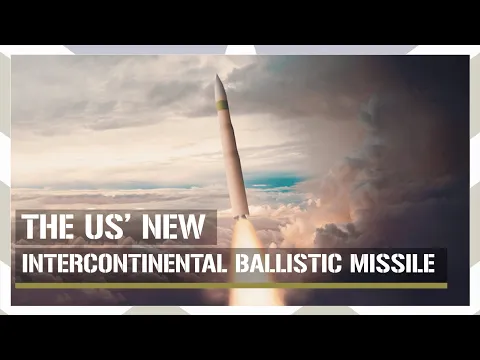
Land ICBMs greatly complicate the adversary’s calculations, as they require him to consider hundreds of hardened and dispersed targets. This reduces the attractiveness of a first strike and strengthens strategic stability, even in extreme crisis scenarios.
The LGM-35 Sentinel is born in a very different context from that which produced the Minuteman. The rise of China as a nuclear power, the modernization of the Russian arsenal, the advancement of hypersonic weapons, and the war in cyberspace have transformed how deterrence is conceived.
In this scenario, the Sentinel is not just a technical replacement, but a political and strategic signal that the United States intends to maintain its reliable ground deterrence capability for at least another five decades.
A Historic Milestone In American Military Engineering
When it fully enters operation, the LGM-35 Sentinel will solidify as the largest renewal of the U.S. ground nuclear force since the Cold War.
A costly, controversial, technically complex, and strategically decisive program that illustrates how the logic of deterrence continues to shape military decisions in the 21st century.
More than a missile, the Sentinel represents the American bet that, even in a transforming world, strategic stability still depends on the certainty that no attack would go unanswered.








-

-

7 people reacted to this.