






 Portuguese
  Spanish


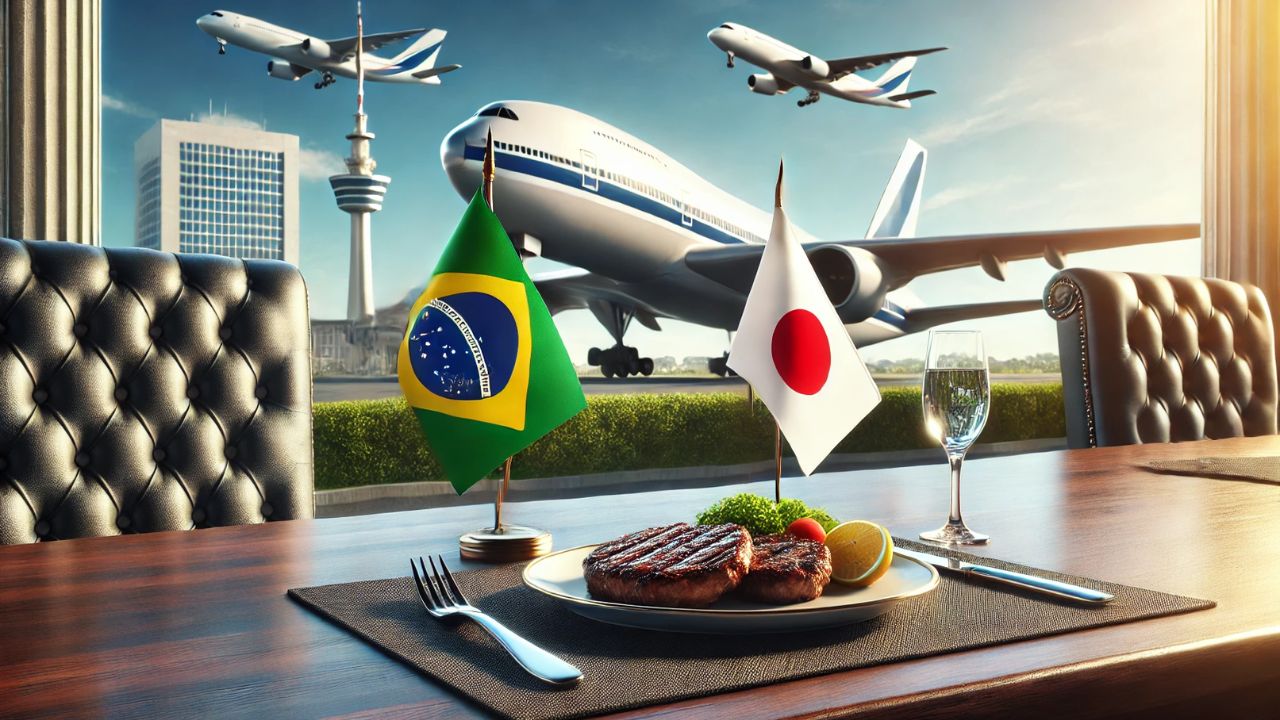

In A Strategic Agenda In Japan And Vietnam, President Seeks To Strengthen Brazilian Presence In The Asian Market, Focusing On Exports, Technology, And Trade Diplomacy
President Luiz Inácio Lula da Silva began a new international mission on Saturday (22), with two central destinations: Japan and Vietnam. The main focus of the trip is to increase Brazil’s presence in the Asian market, especially in the meat sector, secure formal access for Brazilian beef in Japan, and strengthen trade agreements between Mercosur and Eastern nations. The visit is strategic and takes place amid the Brazilian government’s efforts to diversify its export markets and establish new diplomatic and commercial bridges.
Another highlight on the presidential agenda is the promotion of high-value Brazilian products, such as Embraer aircraft, as well as discussions about the possibility of setting up a semiconductor factory in the national territory, an ambition that, according to the Planalto itself, dates back to when Brazil adopted the Japanese digital TV standard. As highlighted by CartaCapital, Lula’s presence in Asia is a clear signal that the Brazilian government seeks to assume a new leadership in international trade, also focusing on technological innovation.
Delegation Strengthens The Plurality And Political Power Of The Brazilian Mission

The delegation accompanying President Lula on this mission is extensive and composed of representatives from different levels of government and strategic sectors. Ministers present include Carlos Fávaro (Agriculture), Marina Silva (Environment), Luciana Santos (Science and Technology), Renan Filho (Transport), Juscelino Filho (Communications), Silvio Costa Filho (Ports and Airports), Camilo Santana (Education), Luiz Marinho (Labor), Alexandre Silveira (Mines and Energy), and Waldez Góes (Regional Development). The delegation also includes the presidents of the Chamber of Deputies, Hugo Motta, and the Federal Senate, Davi Alcolumbre, as well as parliamentarians like Dr. Luizinho and Isnaldo Bulhões. According to CNN Brazil, the diversity and representativeness of this delegation reflect the government’s commitment to engage different areas of public administration to promote Brazil abroad in an integrated and strategic manner.
-
Brazil’s 2026 Tax Refund: Record 9.58 Million Filers in Largest Payout Ever, But a Key Detail on Priority Recipients Draws Nationwide Attention

-
Itaú Alters Hybrid Work Model, Increasing Office Days from 2028, Prompting Employees to Adjust to New Routine
-
Facing Labor Shortage, Japan Plans to Invest $34 Million to Attract Foreign Workers in Construction, Healthcare, Industry, and Commerce

-
Brazilian City Makes Remarkable Leap, Becomes 4th Wealthiest in the Country with GDP of R$ 134.1 Billion




Travel Logistics: Lula’s Choice Of The KC-30 Expands Reach And Comfort Of The Delegation
The trip also drew attention for its differentiated logistics. Unlike what usually happens in presidential missions, Lula started the journey on an Airbus A319, known as VC-1 or “Aerolula,” and will change to the largest aircraft in the Brazilian Air Force (FAB) fleet, the KC-30, during a stop in Houston, United States. This change is strategic: the KC-30, an adapted Airbus A330-200, has a capacity for over 230 passengers and a range of more than 12 hours of flight, making it ideal for intercontinental routes, as highlighted by a report from the Terra portal. The aircraft was acquired in 2022 but only recently began to be used for presidential trips. The government justified the choice as a way to provide more comfort to the delegation and ensure greater efficiency in the air operation, without relying on multiple technical stops that could delay the agenda in Japan and Vietnam.
Lula Bets On Beef, Embraer, And Semiconductors As Pillars Of The Trade Strategy With Japan
On the president’s agenda are three central pillars that guide his actions in Japan: definitively opening the Japanese market to Brazilian beef, promoting Embraer aircraft to local airlines, and discussing the creation of a semiconductor factory in Brazil. Japan imports approximately US$ 4 billion in beef annually, with most of this demand being met by the United States and Australia. Brazil, the world’s largest exporter of the product, has been seeking Japanese sanitary recognition for over two decades to allow its exports to the Asian country. According to the newspaper Globo Rural, Brazilian businesspeople are accompanying the mission with optimism and even suggest holding an institutional barbecue during the Brazil-Japan business forum as a symbolic strategy to seal the start of this new commercial phase.
In addition to the meat sector, Embraer is also a key player in the mission, focusing on the internationalization of its commercial and military models. The Brazilian government bets on the excellence of national aviation as a calling card to open commercial and technological doors. In the field of innovation, Lula is expected to resume discussions about establishing a semiconductor plant in Brazil, a project that has been under discussion since 2006 and gained momentum with the recent global chip supply crisis. According to information from Agência Gov, the expectation is that Japan, with its recognized technological leadership, can be a strategic partner in this undertaking.
Geopolitical Challenges: The US And Elections May Influence The Future Of Mercosur-Japan
Although the Brazilian mission in Asia has the potential to generate significant trade advancements, the international geopolitical scenario poses challenges. According to Gazeta do Povo, the relationship between Japan and the United States may be an obstacle to the realization of an agreement between the Asian country and Mercosur. This is because Japan has adopted a cautious posture in its trade negotiations, fearing retaliation from Washington. This sensitivity requires Brazil to take a careful and strategic diplomatic approach. Nevertheless, Lula’s visit is seen as an important step to keep the dialogue open, demonstrate political willingness, and align interests that benefit Brazil in the medium and long term. The government assesses that, even with obstacles, gradual progress in the relationship with Japan can solidify into relevant agreements for the future of South American integration.








