Portuguese
  Spanish


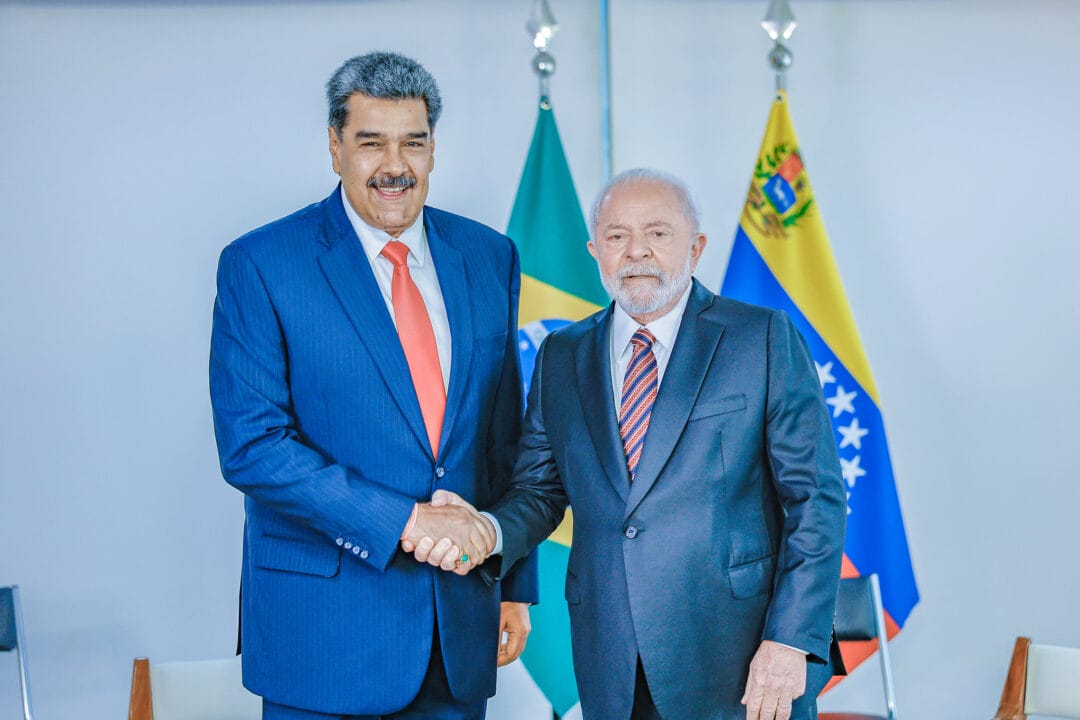

President of the Republic Spoke by Phone with the Venezuelan Leader About the Escalation of the Conflict Between the Countries and the Long Tradition of Dialogue.
On the morning of this Saturday (12/9), former president Luiz Inácio Lula da Silva was contacted by the President of Venezuela, Nicolás Maduro, to discuss the tension with Guyana over the Essequibo territory dispute, according to information from Planalto.
Lula, during the conversation, emphasized the importance of avoiding unilateral actions that could escalate the situation.
According to a statement released by the Presidency of the Republic, Lula conveyed the growing concern of the South American countries regarding the Essequibo issue, outlined the terms of the statement on the matter approved at the Mercosur Summit and signed by Brazil, Uruguay, Paraguay, Argentina, Colombia, Peru, Ecuador, and Chile, and reminded of the long tradition of dialogue in Latin America and that we are a region of peace.
-
OPEC+ Boosts Oil Supply by 188,000 Barrels per Day in July 2026, Leading to Price Drop from $112 to $89 per Barrel in Under Two Months

-
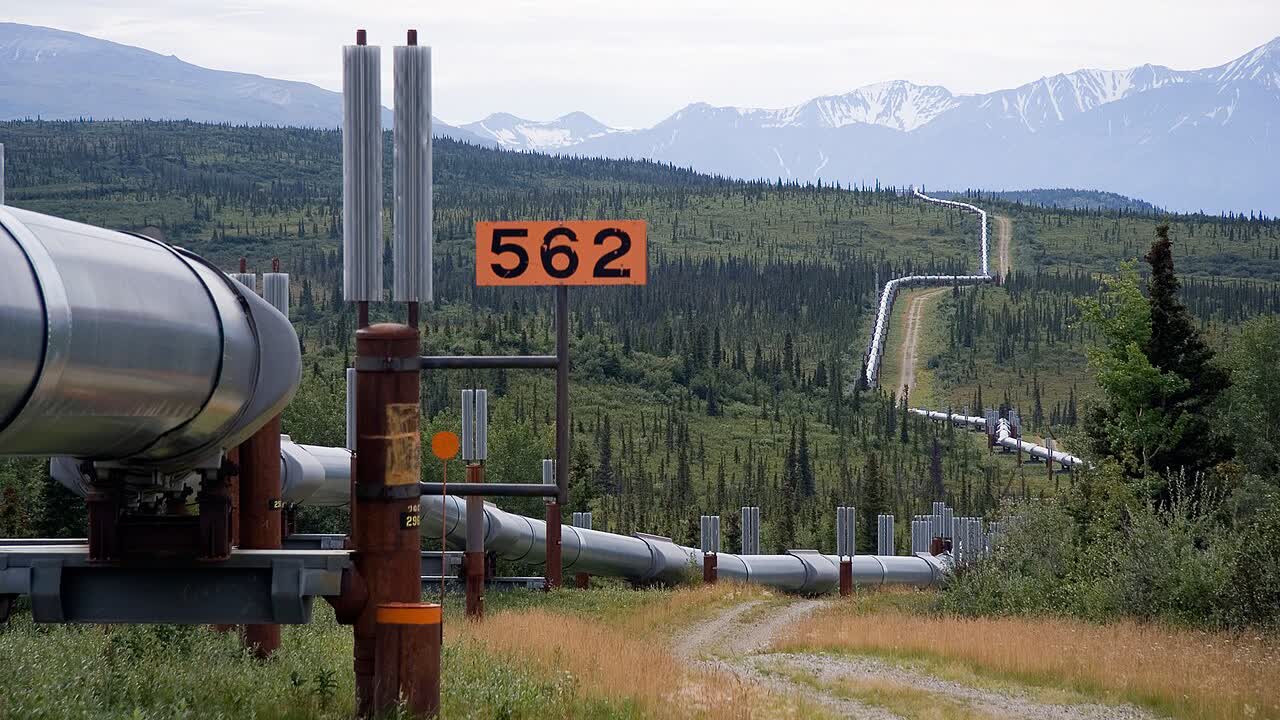
TotalEnergies Signs 20-Year Deal to Purchase 2 Million Tons of LNG from Alaska, Boosting Project Viability
-
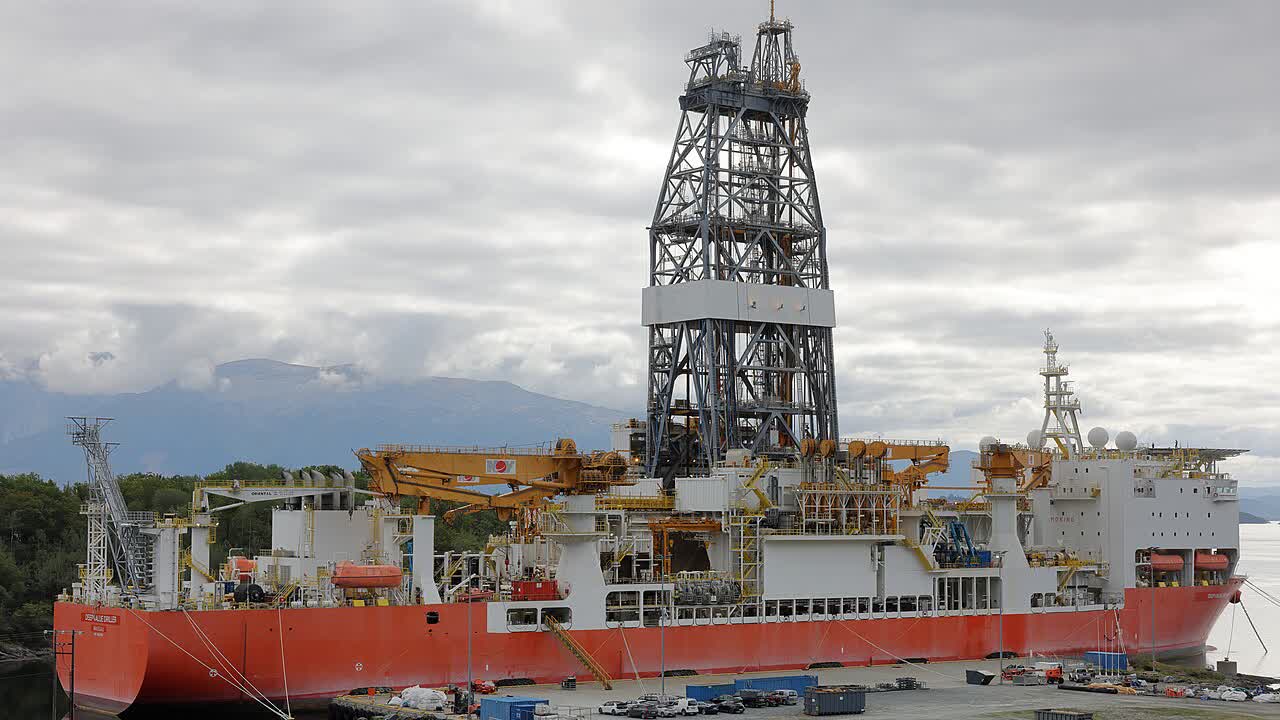
Turkey Deploys Çağrı Bey Drilling Ship to Explore New Oil Frontier Off Somalia’s Coast
-
Golden Pass LNG Ships First Liquefied Gas Cargo from the U.S., Completing $10 Billion QatarEnergy and ExxonMobil Investment

President Lula Reinforces Mediation of the Conflict
Luiz Inácio Lula da Silva emphasized the importance of mediating the conflict involving Venezuela and Guyana. He suggested the mediation of the pro-tempore president of the Community of Latin American and Caribbean States (Celac), Ralph Gonsalves, as a way to seek a peaceful solution to the issue.
President Lula reiterated that Brazil is available to support and monitor these initiatives, as informed by the official statement. The escalation of the situation between the two countries has raised concerns in the region, and the declaration on the matter by the former Brazilian president highlights the importance of seeking diplomatic alternatives to resolve the impasse.
Venezuela Approves Annexation in Referendum
Last Sunday, Venezuelans approved the annexation of the territory in a referendum with participation from 10 million voters. This decision created a new geopolitical landscape in the region, with significant repercussions for neighboring countries and the long tradition of dialogue among South American nations.
Maduro Orders Creation of State and Oil Exploration
President Nicolás Maduro ordered the creation of a state in Essequibo, releasing a new map of Venezuela that includes the contested territory. Additionally, he established PDVSA Essequibo and determined the exploration and production of oil in the area. Maduro also requested a law that gives oil companies three months to suspend activities in the location, an action that has raised additional concerns in the region.
Reactions from Guyana and the United States
The President of Guyana, Mohamed Irfaan Ali, reacted by activating the UN Security Council and seeking support from the U.S. government. The latter conducted military exercises in the country in response to Maduro’s actions, indicating an increase in tension in the region. The situation remains fluid, and the need for effective mediation is evident to prevent further escalation of the conflict.
Source: EPBR