Portuguese
  Spanish


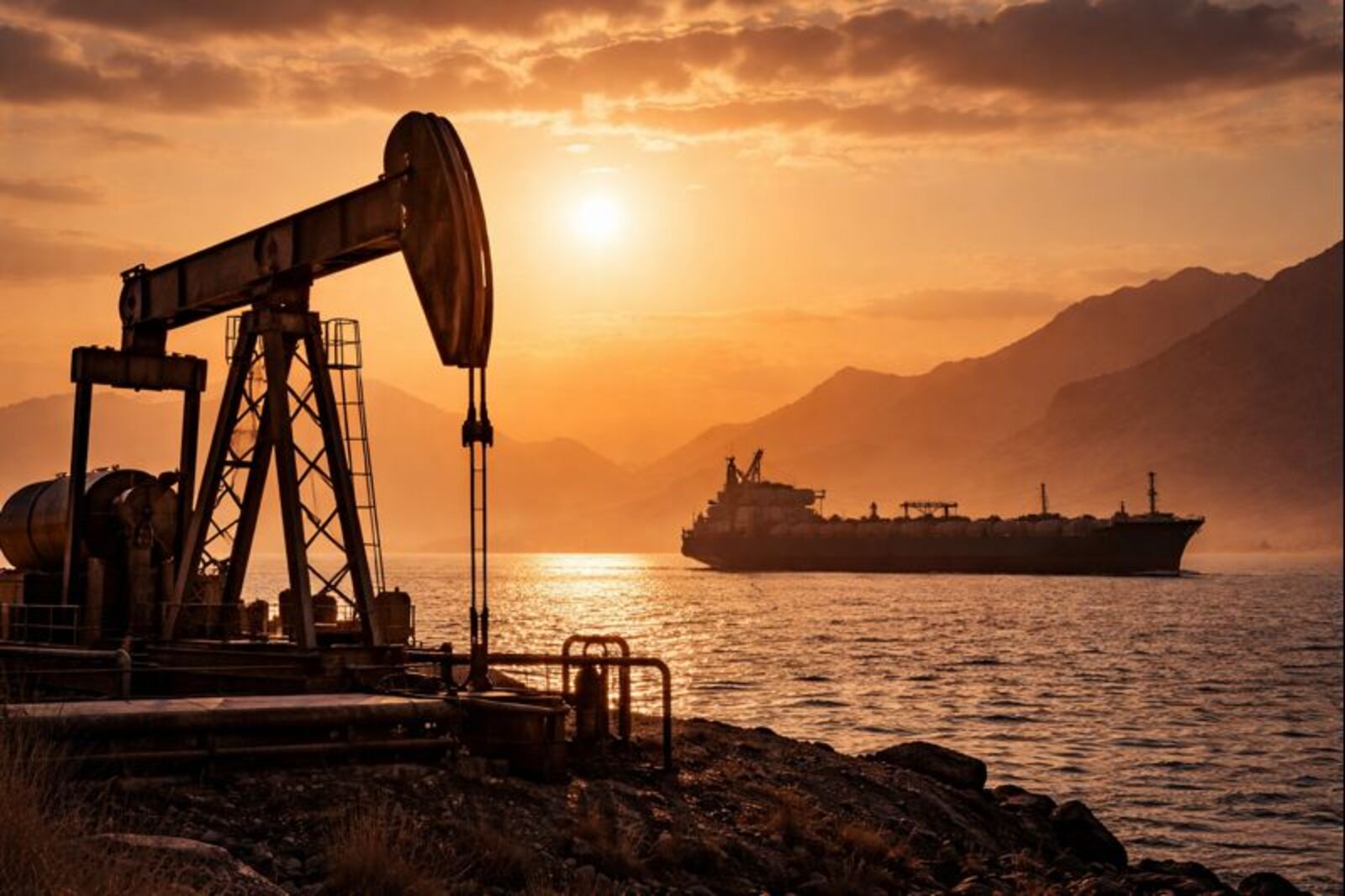

Oil plummets this Friday after Iran announces the reopening of the Strait of Hormuz, while the market monitors ships, exports, and diplomatic negotiations in the region
Oil prices plummeted this Friday (17) after Iran declared the Strait of Hormuz open, a central route for transporting the commodity. The drop affected Brent and WTI and reinforced the weight of logistical normalization.
Drop in oil prices
Brent crude futures fell by $10.38, or 10.5%, trading at $88.95 per barrel around 11 AM Brasília time. Prior to that, the contract hit a low of $87.71 during the session.
In the United States, West Texas Intermediate futures dropped by $10.50, or 11%, to $84.28 per barrel. During the trading session, WTI hit $83.
-
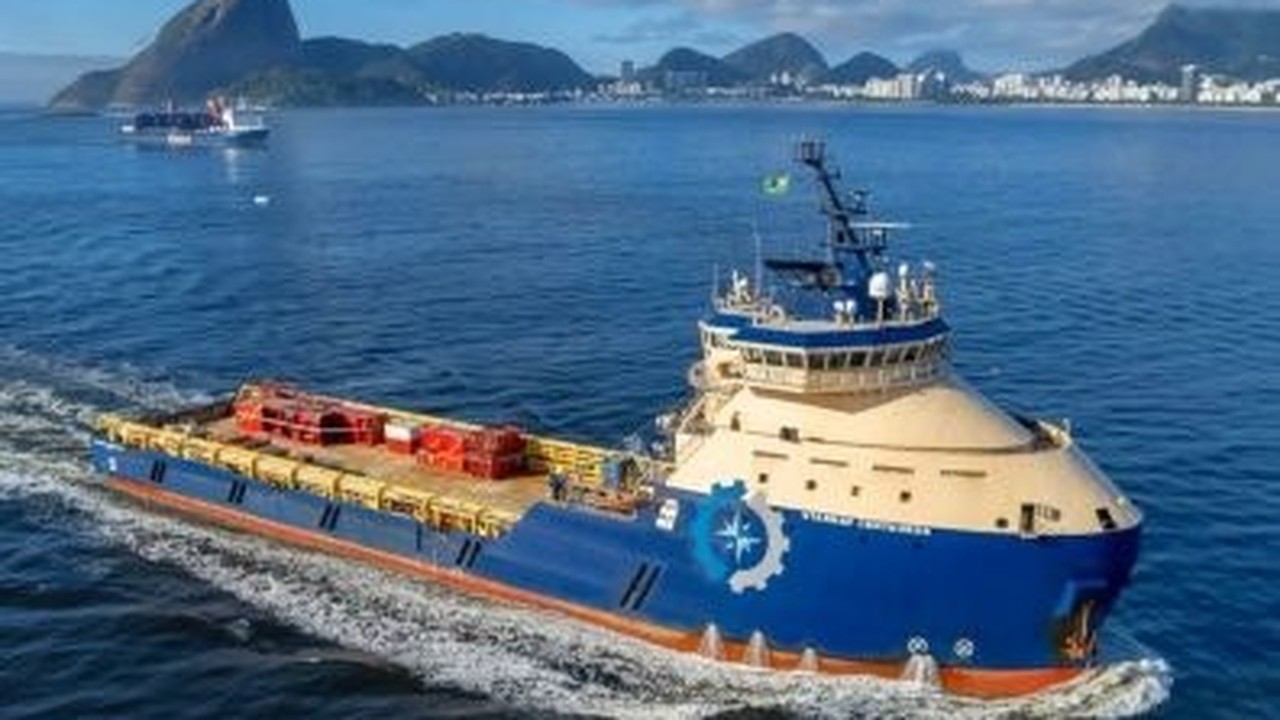
Starnav orders 10 hybrid vessels with German MTU engines in Itajaí and prepares fleet to serve Petrobras in the pre-salt for 12 years.

-
The Chamber releases R$ 10 billion to hold the price of diesel until December and proves that Brazilian fuel remains tied to Congress.
-
It’s official: Petrobras takes 75% of block 3 in São Tomé and Príncipe and debuts as an offshore operator outside South America.
-
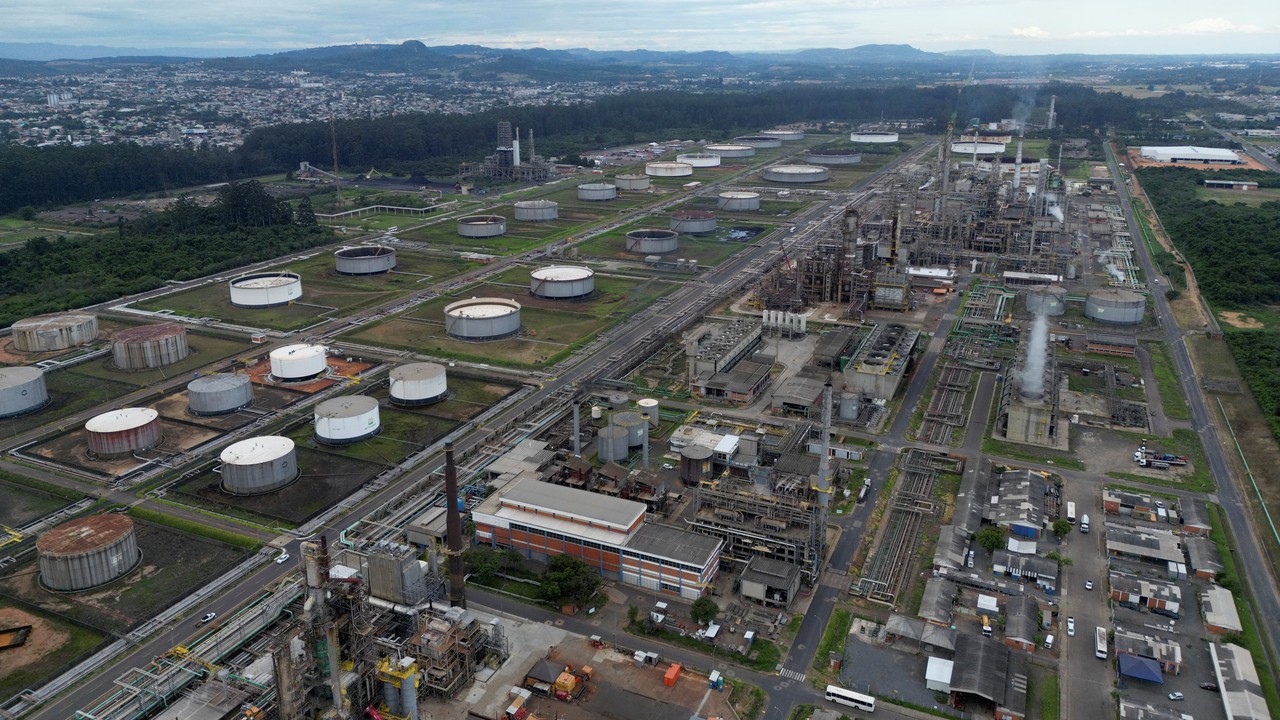
With a record production of nearly 3 million barrels per day, Petrobras resumes importing diesel in July, highlighting the bottleneck in Brazilian refining.


With this movement, both contracts began trading at their lowest level since March 11.
Iran’s announcement
In announcing the measure, Iran’s Foreign Minister, Abbas Araghchi, stated that in line with the ceasefire in Lebanon, the passage of all commercial vessels through the Strait of Hormuz was open for the remainder of the period.
He also declared that ships could proceed along the route already announced by Iranian authorities. The decision was received by the market as a signal for the flow of oil and derivatives.
Expected effect
Bruno Cordeiro, a market intelligence specialist at StoneX, assessed that the Iranian regime’s decision increases expectations for the normalization of oil and derivative flows coming from the Persian Gulf to the rest of the world.
At the same time, he noted that, at first, it is natural for shipping companies to be cautious in allocating assets in the region, especially when passing through the strait.
The expectation is for a gradual resumption of the number of vessels using the route. This should help recover energy exports from Saudi Arabia, Kuwait, Iran, and Iraq.
Pressure in the physical market
The market is monitoring two focal points: the volume of ships crossing the strait in the coming days and the progress of diplomatic negotiations between Tehran and Washington next week.
Even with the reopening of the route, the physical market remains under pressure. There are signs of restricted supply in parts of Asia and Europe.
The International Energy Agency indicated that Europe has about six weeks of aviation kerosene stocks.
In Asia, more intense measures to contain demand are emerging due to a tight balance.
In the short term, the trend is for a decline in prices, while spot prices may remain high until global logistical normalization.
With information from Info Money.