






 Portuguese
  Spanish
 5 min of reading
  1 comment


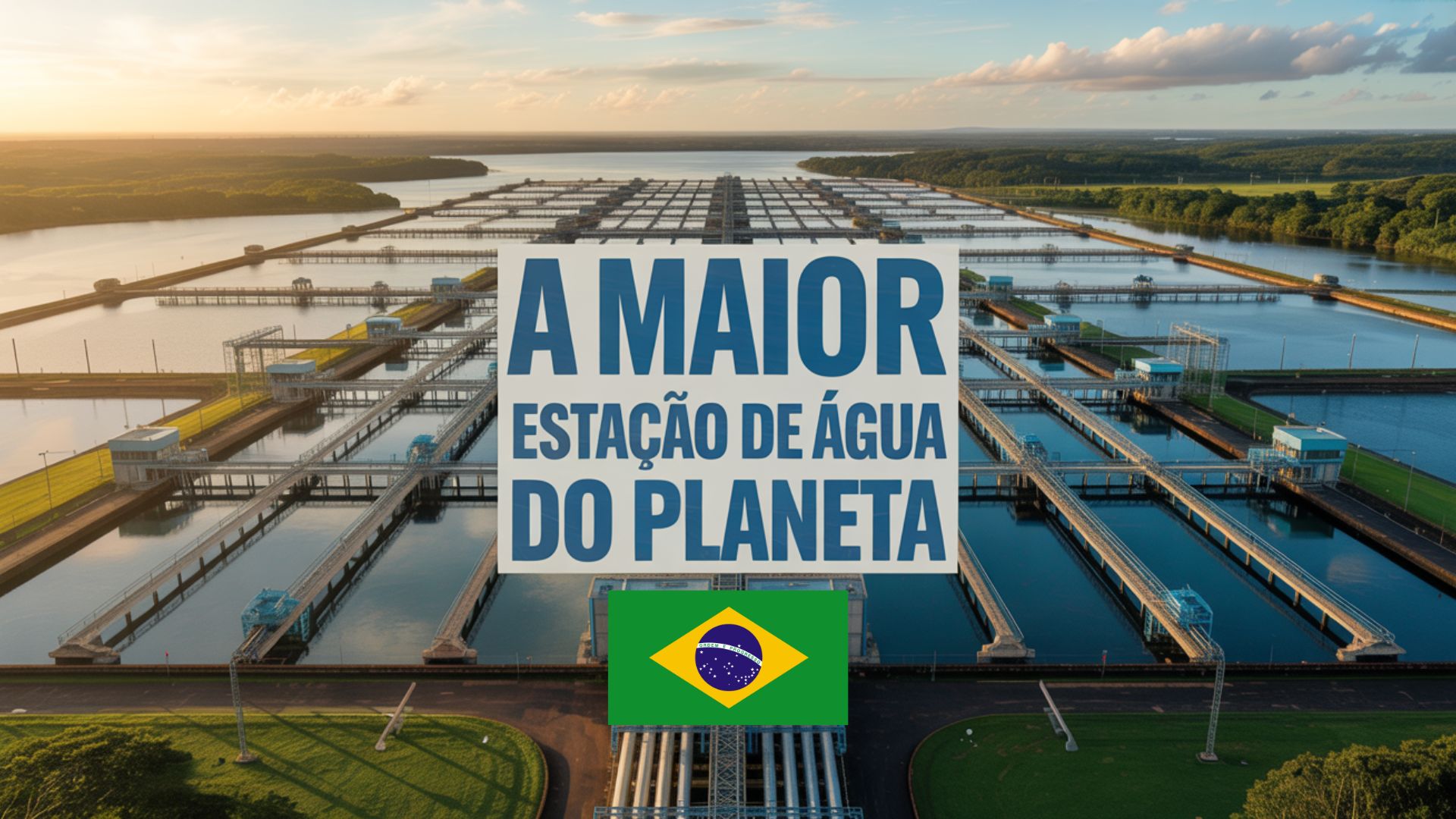


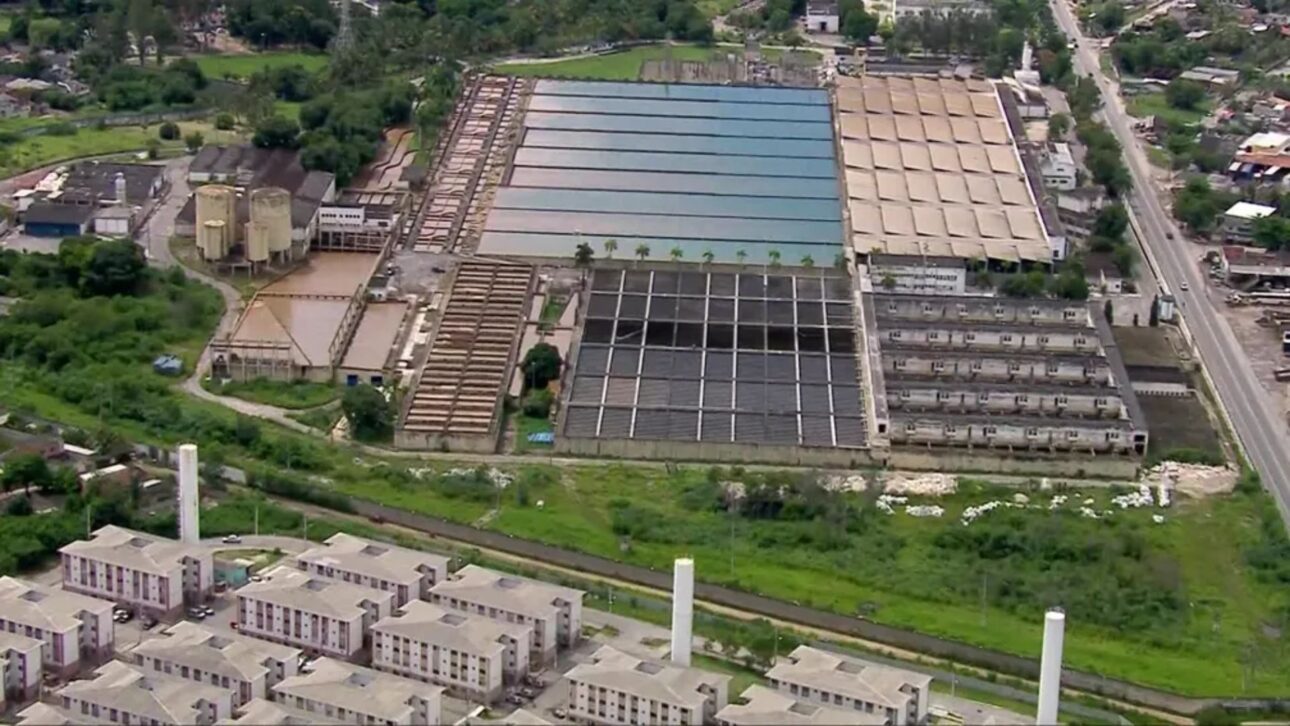
Located in Nova Iguaçu, the Guandu Water Treatment Plant is the largest on the planet and supplies millions of people in the Metropolitan Region of Rio, combining technology, efficiency and continuous monitoring on a large scale.
Recognized by the Guinness World Records since 2007, the Guandu Water Treatment Plant (ETAG), in Nova Iguaçu, is the backbone of supply in Greater Rio.
In continuous operation, the Cedae unit treats 43 thousand liters per second and serves more than 9 million people in the Metropolitan Region, accounting for about 80% of the water consumed.
The plant, inaugurated in 1955, became a global reference for its scale and uninterrupted operation in a dense and rugged territory.
-
Buenos Aires and Montevideo are about 200 kilometers apart in a straight line, but the road trip can exceed 570 kilometers and take up to 8 hours and 30 minutes; see how long the journey takes by plane, ferry, car, and bus.

-
Couple sold house in São Paulo, resigned from their jobs, and paid R$ 15,780 to start over in Portugal, but the promised trip turned into a fraud complaint: suitcases remain packed, tickets were not delivered, and the European dream ended up stuck in a cramped rented room.

-
The world’s largest natural bridge cave is in China, impressing in Guizhou with almost 180 meters in height, a gigantic opening, and internal space used even for cars, becoming a cool tourist refuge within a monumental karst formation.
-
Goodbye, clothesline: new option for drying clothes utilizes walls, doors, and even room height with multiple drying levels, retractable model, and compact structure that promises to transform small laundries in 2026.




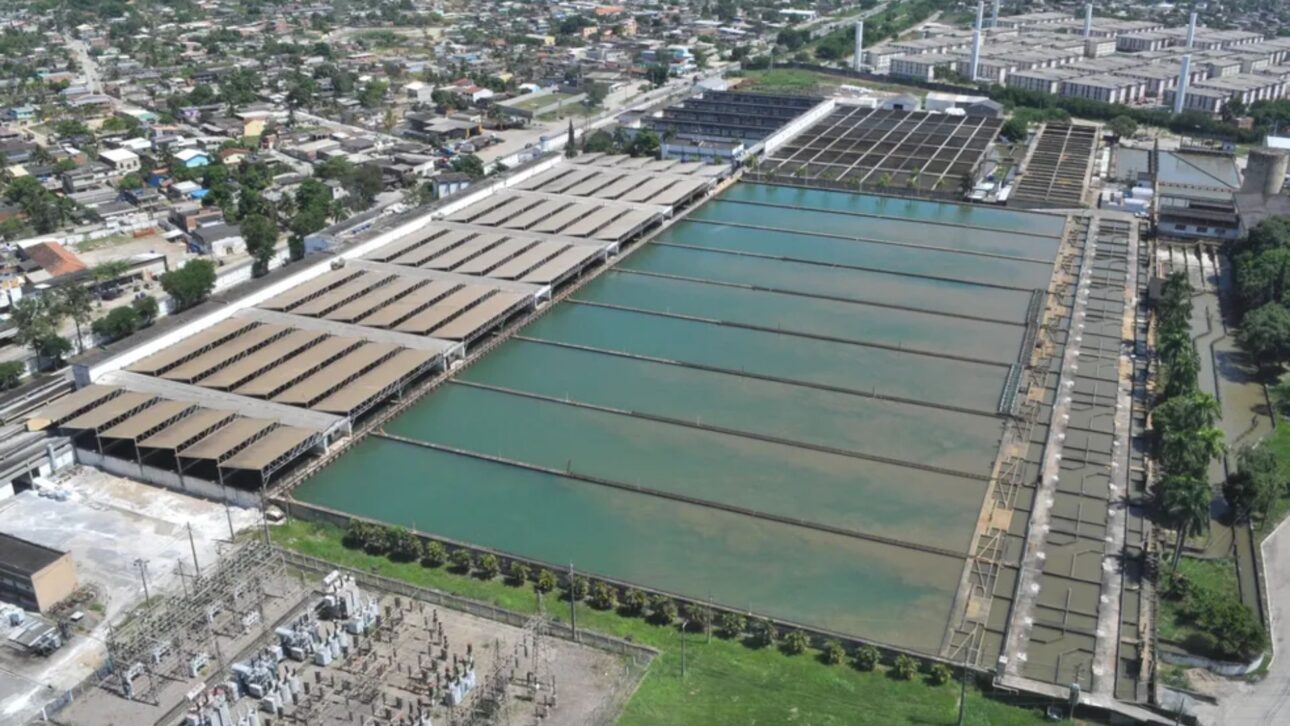
Guandu Supports 80% of the Metropolitan Region Consumption
The structure integrates the so-called Guandu System, which captures raw water from the river of the same name after the confluence of the transpositions of the Ribeirão das Lajes, Piraí and Paraíba do Sul rivers.
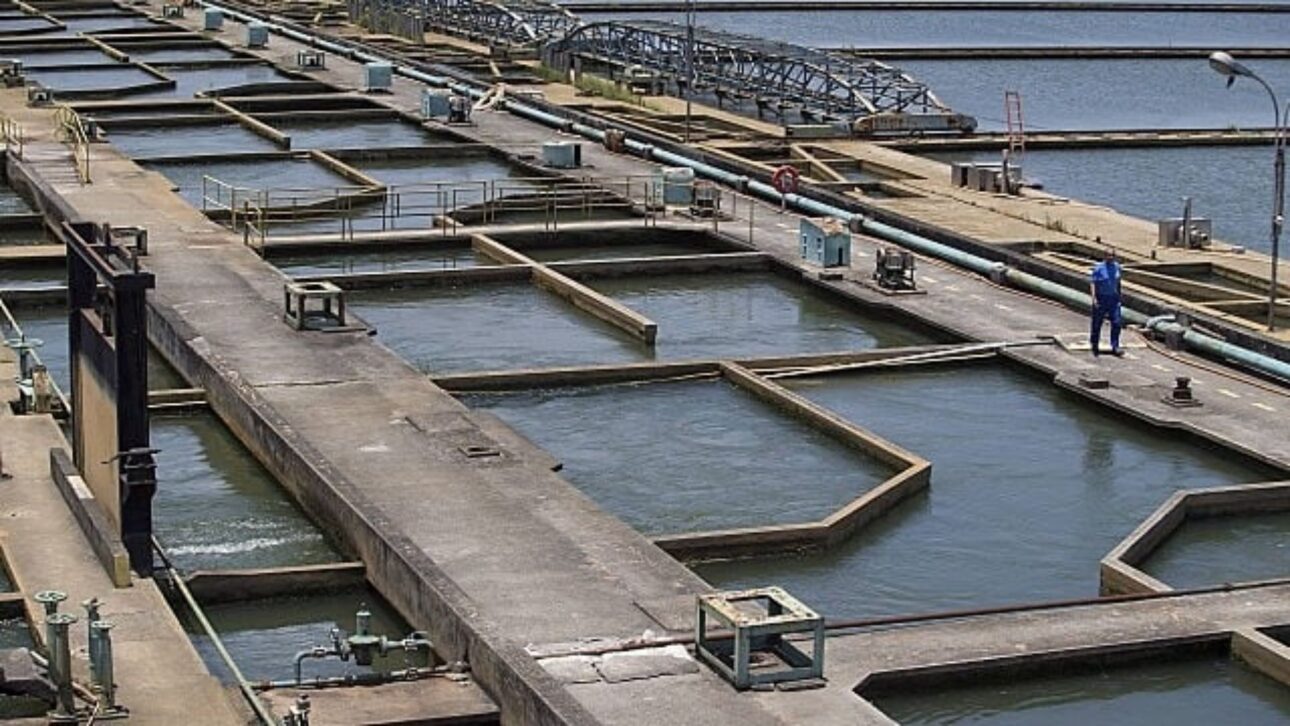
The treated water follows through a set of pipelines that cross mountains and tunnels towards the large reservoirs that supply the capital and municipalities of Baixada.
During periods of higher demand, production recorded in the “summer plan” has reached peaks above the average level, but the operational reference remains at 43 thousand l/s.
Conventional Treatment With Reinforcements Post-Geosmin Crisis
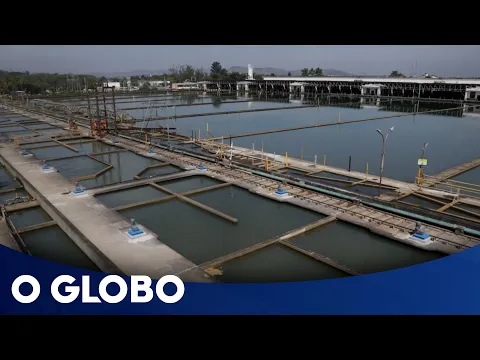
The potabilization process adopts the classic chain — coagulation, flocculation, sedimentation, sand filtration and disinfection with chlorine — supported by pH correction.
The daily volume of inputs gives an idea of the plant: approximately 140 tons of aluminum sulfate, 30 tons of ferric chloride, 15 tons of chlorine gas and 25 tons of quicklime.
After the taste and odor episode associated with geosmin in 2020, ETAG started to dose activated carbon according to variations in the quality of raw water to mitigate compounds responsible for organoleptic changes.
Historical Expansions and Two Treatment Lines
Planned in the 1940s to accompany the post-war urbanization, the station began operation in 1955 with about 13.8 thousand l/s.
Expansions throughout the 1960s and 1980s increased capacity to the current level.
The complex includes two lines: the Old Station (VETA) and the New Station (NETA), working in an integrated manner.
This operational redundancy allows for load distribution, scheduled maintenance, and absorption of variations in the quality of raw water during heavy rains.
Quality Under Control: Certification and Monitoring
In 2025, Cedae obtained ISO 9001 certification for the Guandu-Lameirão System, formalizing procedures from laboratory control to operation.
The Biological Investigation and Water Tracking Laboratory (Libra) expanded its monitoring scope to 78 parameters, with nearly 300 thousand samples analyzed per year.
In addition to sensors and accredited analyses, a sensory panel—called “water sommeliers”—conducts daily tastings to capture variations in taste and odor that instruments do not always identify.
In parallel, the state-owned company is developing IAguas, an artificial intelligence project that learns patterns from the watersheds and issues early alerts about anomalies, reinforcing prevention.
New Guandu: More Supply and Operational Safety by 2026
To increase the resilience of the system in the face of population growth and severe hydrological events, Cedae is implementing New Guandu.
The works, initiated in 2022, are expected to be completed by 2026 and will add 6 thousand l/s to production capacity, raising the overall supply of the system from 45 thousand to 51 thousand l/s.
The project includes the New Marapicu Reservoir, with 53 million liters, and a 3.9 km pipeline of 2.5 meters in diameter, as well as improvements that increase operational flexibility in scenarios of high turbidity during floods.
Water Efficiency and Energy to Operate 24 Hours
The continuous operation demands electric robustness and fine management of internal losses.
Recent renovations have reduced the filter washing time from 10 to 5 minutes; the change saves up to 360 thousand liters per cycle, water that returns to the process.
The set of intake and pumping consists of dedicated pump groups and substations, mitigating network fluctuations and ensuring stability to maintain flow even during peak consumption.
Forests as Infrastructure: Reforestation Reduces Costs
The sustainability of intake depends on the condition of the basin.
Studies by WRI Brazil show that the reforestation of degraded areas in the Guandu System improves water quality upon reaching the station, reducing the use of chemical products and generating savings in the long run.
In this regard, Cedae maintains the Replanting Life program, which combines forest restoration with social reintegration.
According to the company, more than 4.5 million native seedlings have already been planted, an initiative recognized with the ANA Award 2023 and integrated into the UN Decade on Ecosystem Restoration.

Scheduled Maintenance and Communication With the Population
Even with redundancies, planned outages are necessary for upgrades and structural inspections.
On May 20, 2025, Cedae suspended production between midnight and 8 PM for preventive maintenance on the Guandu System.
The resumption of supply occurred gradually, as is customary in large networks, prioritizing essential services.
The coordination between the producer (Cedae) and the private distributors operating in the neighborhoods is part of the institutional arrangement post-concessions, and the centralized management of real-time data facilitates decisions during intervention windows.
Invisible Scale That Reaches the Tap
From intake to the output of the pipelines, ETAG handles gigantic volumes and complex processes, little visible to those who turn on the tap.
There are two treatment lines, hundreds of critical equipment, dedicated control centers and teams that rotate 24 hours to maintain quality within legal standards.
The ongoing expansion, combined with enhanced monitoring and watershed restoration actions, aims to ensure supply and stability in the face of climatic extremes and a metropolis that continues to grow.


Quanta mentira, maior tratamento de água do mundo não é no Brasil, jornalistas Pinocchio, pior é que está no Guinness book 📚🤥🤥🤥🤥😁😁