






 Portuguese
  Spanish
  5 min of reading
  0 comments


China inaugurated the Huajiang Canyon Bridge on September 28, 2025, a structure that redefines the limits of global engineering. With its deck at 625 meters above the Beipan River, this masterpiece now holds the title of the highest in the world, surpassing its predecessor and challenging extreme conditions in a remote canyon in Guizhou.
The world of mega road structures has gained a new and impressive icon. China has once again raised the bar of engineering with the opening of a bridge that defies gravity and human imagination.
On September 28, 2025, the Huajiang Canyon Bridge was officially inaugurated in the remote province of Guizhou, a milestone that attracted global attention for its unprecedented magnitude.
Its colossal structure rises 625 meters above the turbulent waters of the Beipan River, setting a new world record for highway bridge deck height.
-
Largest bridge in São Paulo reaches 75% completion and is expected to strengthen strategic connection in the interior of São Paulo.

-
Without her own home and pressured by rent, a 25-year-old bought a small 15-meter boat, gradually renovated the interior by herself, transformed the interior with paint, new flooring, a larger bathroom, and started living on the canals, paying much less per month.

-
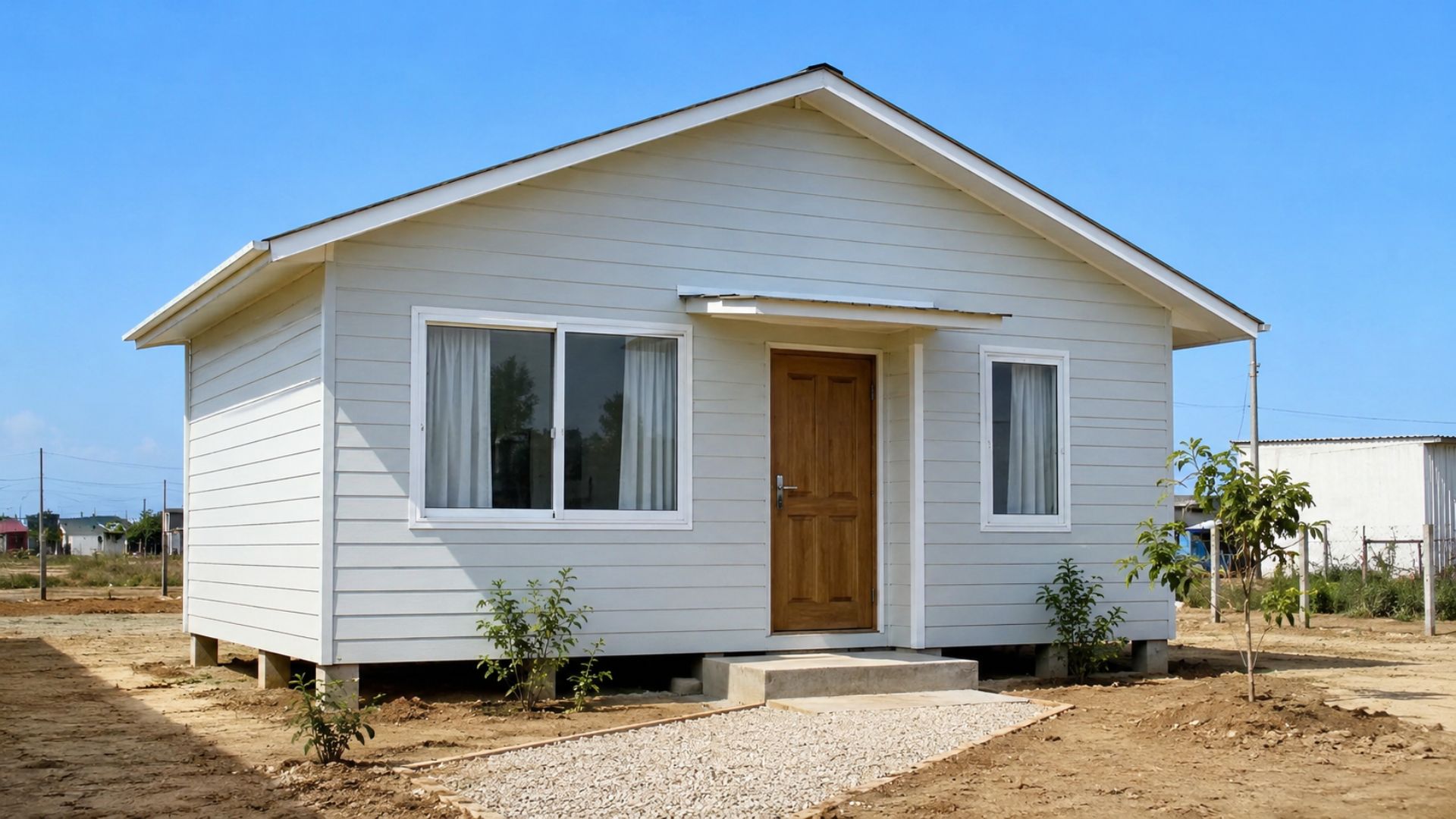
Tired of seeing families sleeping on the street, São Paulo delivered 18 m² furnished microhouses and took 888 people off the streets: Vila Reencontro became the model social housing for the homeless population.
-
The hydroelectric plants on the Madeira River, like Jirau, came for the energy, but now the drought wave has reduced artisanal fishing by 39% and emptied the tables of the riverside communities in the Amazon.


This mark surpasses the impressive Beipanjiang Bridge, also located in China, which held the previous record with its 565 meters deck height over the Nizhu River Valley.
The difference of 60 meters may seem subtle, but it represents a significant advance in overcoming geographic and technical challenges previously considered insurmountable by many engineers.
Guizhou, known for its deep canyons and winding rivers, has become a true laboratory for building bridges of epic proportions, connecting mountainous and isolated regions.
The region demands engineering solutions that combine audacity, innovation, and millimetric precision, transforming previously impassable landscapes into vital connection routes for millions of people.
The ability to construct such works demonstrates not only economic strength but also China’s growing technological expertise in the global civil engineering scene.

The Insurmountable Engineering Challenges of the Huajiang Canyon Bridge
The construction of the Huajiang Canyon Bridge was not just a matter of height, but of mastering engineering in a hostile and relentless environment, where nature imposes its severe rules.
The Huajiang Canyon is famous for its cutting winds, which can reach speeds of up to 100 km/h, creating extremely dangerous conditions for workers and the stability of structures during assembly.
The foundation of the bridge required an innovative and complex approach. Engineers had to work with the remaining rocks from previous construction attempts, a true geological and structural puzzle.
Each pillar and stake was meticulously designed to withstand not only the massive force of gravity but also the extreme lateral forces of the wind and the inherent instability of the mountainous terrain.
The logistics of transporting heavy materials and equipment to such a remote and inhospitable location represented another colossal challenge, requiring the construction of temporary and complex access roads.
The deck assembly methodology was a spectacle in itself, demonstrating the forefront of modern engineering and the audacity of Chinese designers.
The prefabricated sections of the bridge were built simultaneously from both sides of the canyon, gradually advancing towards the center of the valley, like two arms reaching out to meet.
This “meeting in the middle” process required meticulous planning, precise calculations, and almost surgical engineering coordination to ensure the perfect alignment of the structures at 625 meters height.
The extensive use of drones for mapping and inspection, along with real-time monitoring systems, was crucial to track every millimeter of progress and ensure the project’s safety and compliance.
This method minimized the need for complex temporary support structures, which would be unfeasible at such a height, and allowed for more efficient progress in such a challenging and dangerous location.
The expertise in dealing with strong winds, unstable terrain, and the immense scale of the work reinforces China’s reputation as a world leader in large-scale and complex infrastructure projects.

A Landmark of Connection and the Impact of Chinese Engineering
To contextualize the impressive height of the Huajiang Canyon Bridge, just imagine the iconic Empire State Building, one of the most famous skyscrapers in the world.
The bridge deck is at an altitude equivalent to the total height of the skyscraper of 443 meters (with its antenna), plus another third of its structure, that is, about 180 meters additional.
It is a scale that challenges human perception and solidifies the bridge as an unparalleled architectural and engineering feat in modern history, making it a global reference.
The bridge is not just a height record; it is a vital artery. It connects previously isolated regions of Guizhou, significantly shortening distances and boosting local economic development.
This infrastructure greatly facilitates the transport of goods and people, integrating remote villages into the province’s network of commerce, tourism, and services, generating new opportunities.
China has demonstrated an unparalleled capacity in building grand infrastructures, with various bridges, dams, and high-speed railways leading world rankings in innovation and scale.
The Huajiang Canyon Bridge is further proof of the country’s ambition, resilience, and technical expertise in mastering the most complex civil engineering works, overcoming technical and geographical limits.
This technological and project management capacity positions China as a fundamental player in the global infrastructure scene, exporting knowledge and technology to various nations.
The Legacy of the Huajiang Canyon Bridge and the Future of Global Engineering
The Huajiang Canyon Bridge is more than a structure of concrete, steel, and cables; it is a monument to persistence and the human ability to overcome seemingly insurmountable natural obstacles.
It represents thousands of hours of meticulous planning, complex calculations, advanced simulations, and the tireless work of dedicated teams of engineers, architects, and workers.
I confess that I imagine the feeling of crossing this bridge for the first time, with the immense canyon opening 625 meters below. It must be an experience that redefines our perception of scale and engineering.
Projects like this remind us that even in the face of nature’s most brutal forces, intelligence, innovation, and collaboration can shape landscapes and create paths where there were only insurmountable barriers.
The Guizhou bridge serves as a beacon for future generations of engineers worldwide, inspiring them to dream even higher and seek innovative solutions for tomorrow’s infrastructure challenges.
It is a lesson on the constant evolution of technology, the relentless pursuit of connecting the world in increasingly efficient and spectacular ways, and the power of human vision.
With every new bridge that crosses a deep valley, with every new tunnel that pierces a mountain, humanity reaffirms its commitment to progress and overcoming the limits imposed by geography.
The Huajiang Canyon Bridge is undoubtedly a vibrant testament to this relentless quest to connect and build a more accessible and interconnected future for all.
What other marvel of modern engineering do you consider equally impressive or even more challenging?






-

1 person reacted to this.