






 Portuguese
  Spanish
  5 min of reading
  0 comments


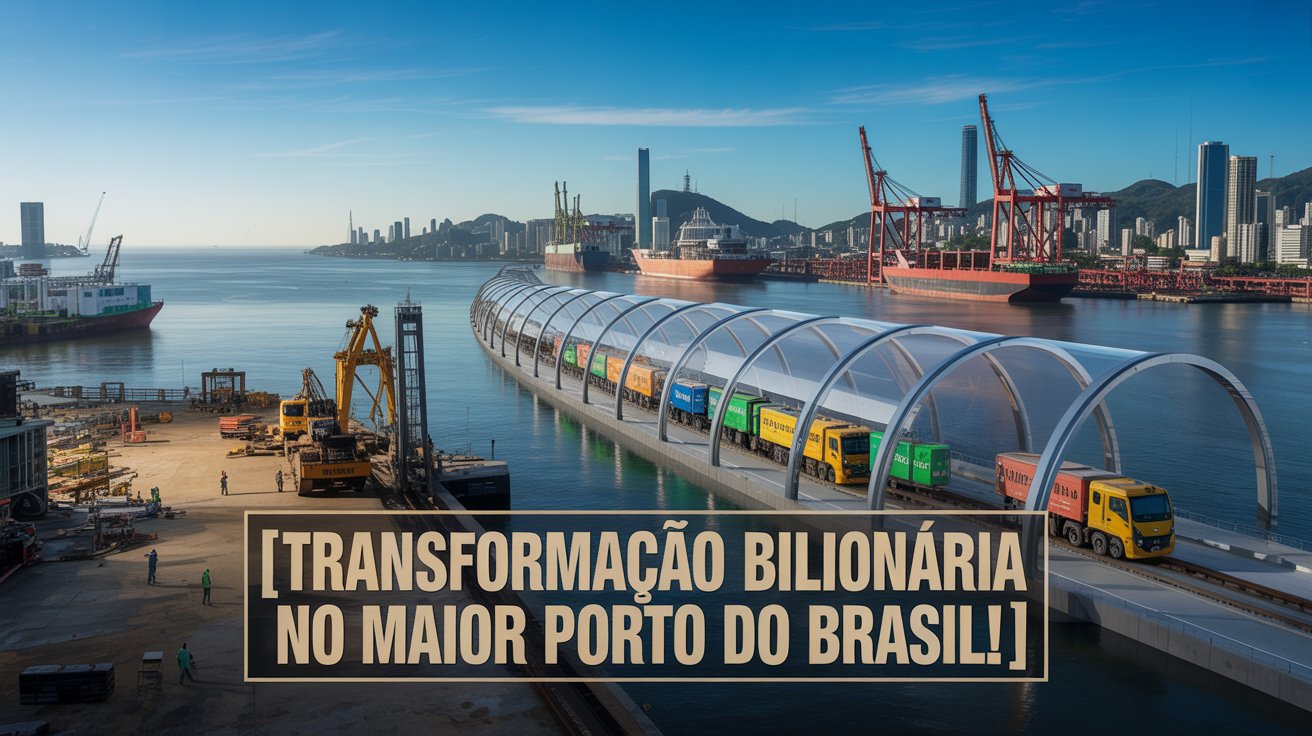
Record Investments, State-of-the-Art Technology and Unique Works Mark the Largest Modernization in the History of the Port of Santos, Promising Deep Impacts on Logistics, Job Generation and Competitiveness in Brazil.
The Port of Santos, recognized as the largest port in Brazil and a logistics reference in Latin America, is undergoing one of the most robust modernization processes ever carried out in the country.
With public and private investments exceeding R$ 20 billion by 2035, the complex is receiving interventions ranging from dredging for channel deepening, through the implementation of a unique submerged tunnel, to the expansion of the railway network and restructuring of the terminals.
The expectation is that these initiatives have the potential to transform logistics, strengthen connectivity, and boost the competitiveness of Brazilian foreign trade.
-
Brazilian Joins Homeownership Consortium, Faces Decade of Dual Payments Totaling $141,000, Surpassing Traditional Mortgage

-
Land Rover to Halt Production in July, Putting 371 Jobs at Risk, as Chinese Automaker Negotiates to Convert Factory to 100,000 Vehicles Annually by 2027

-
Mexican Pest Threatens U.S. Cattle Herds at Historic Lows, Potentially Boosting Brazilian Beef Exports as Burger Prices Soar

-
Brazilian Freight Bill Progresses in Congress with $5,000 Minimum Wage, 70% Advance Payment, and Fines Up to $1 Million, as Agriculture and Industry Warn of Rising Costs and Legal Uncertainty


Port of Santos Moves the Brazilian Trade Balance
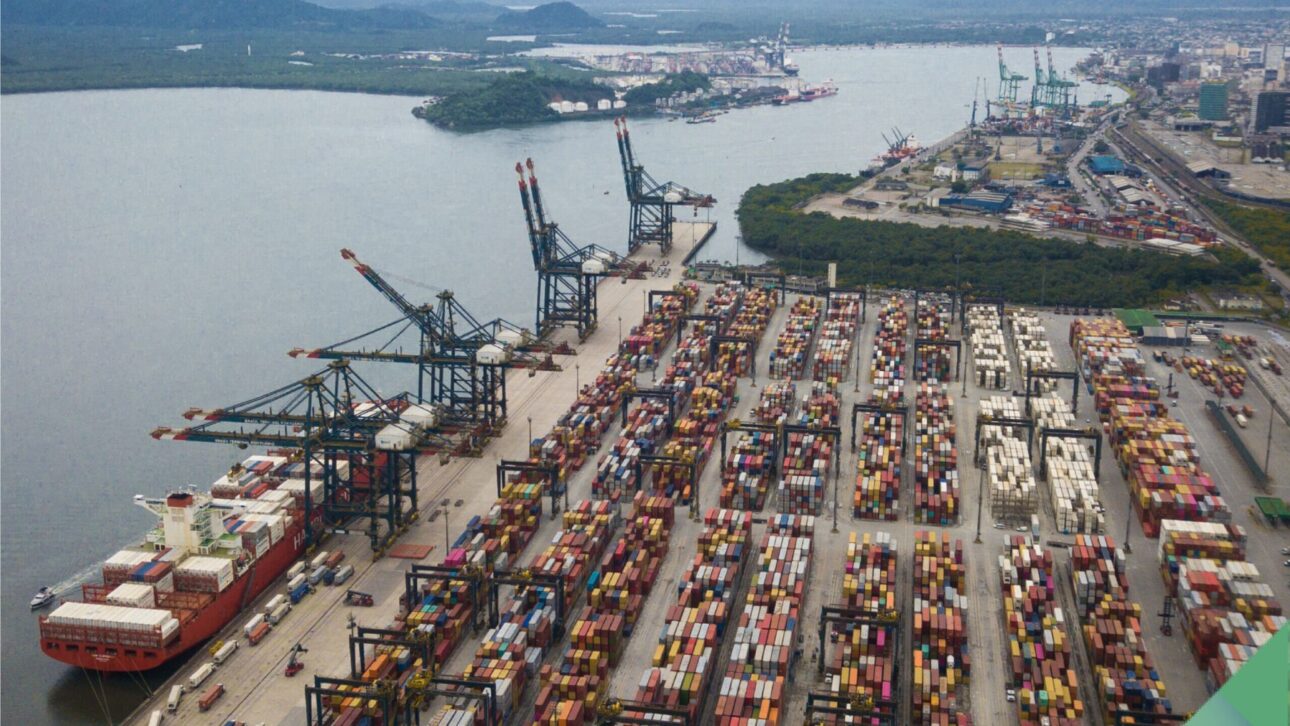
Located on the coast of São Paulo, the Port of Santos currently handles about 29% of the country’s entire trade balance, according to data from 2024.
In 2023 alone, the port set a record by handling 173.3 million tons of cargo, including soybeans, corn, sugar, coffee, meat, fuel, and containers of manufactured goods.
The Santos Port Authority (APS) points out that the terminal is the main export corridor for manufactured products in Brazil, accounting for a large part of these operations, according to data available until July 2025.
Job Creation and Socioeconomic Impact
The modernization program anticipates the creation of over 21,000 direct jobs and around 60,000 indirect jobs, according to official projections by 2030.
These numbers highlight the economic relevance of the largest port in Brazil for the Baixada Santista and the São Paulo hinterland.
Modernization and Logistical Challenges
The need to update the port infrastructure has gained strength in recent years due to the growth of agribusiness and the increasing demand for the export of grains and meats, especially from Central-Western states like Mato Grosso and Goiás.
The emergence of logistical bottlenecks, such as truck queues, saturated road accesses and depth limitations, exposed the urgency for new solutions.
In light of this scenario, a modernization plan has been launched encompassing physical infrastructure, digitization, and innovative mobility projects.
Dredging and Depth Increase
One of the main interventions is the dredging of the access channel, which has already been authorized and will raise the depth of the main channel from 15 to 16 meters in the first phase, with a future target of 17 meters by 2031.
This work allows the port to accommodate large vessels of the New Panamax class, up to 366 meters in length, putting Santos on par with the world’s largest ports.
The process is accompanied by strict environmental control and continuous monitoring.
Rail Expansion and Logistical Integration
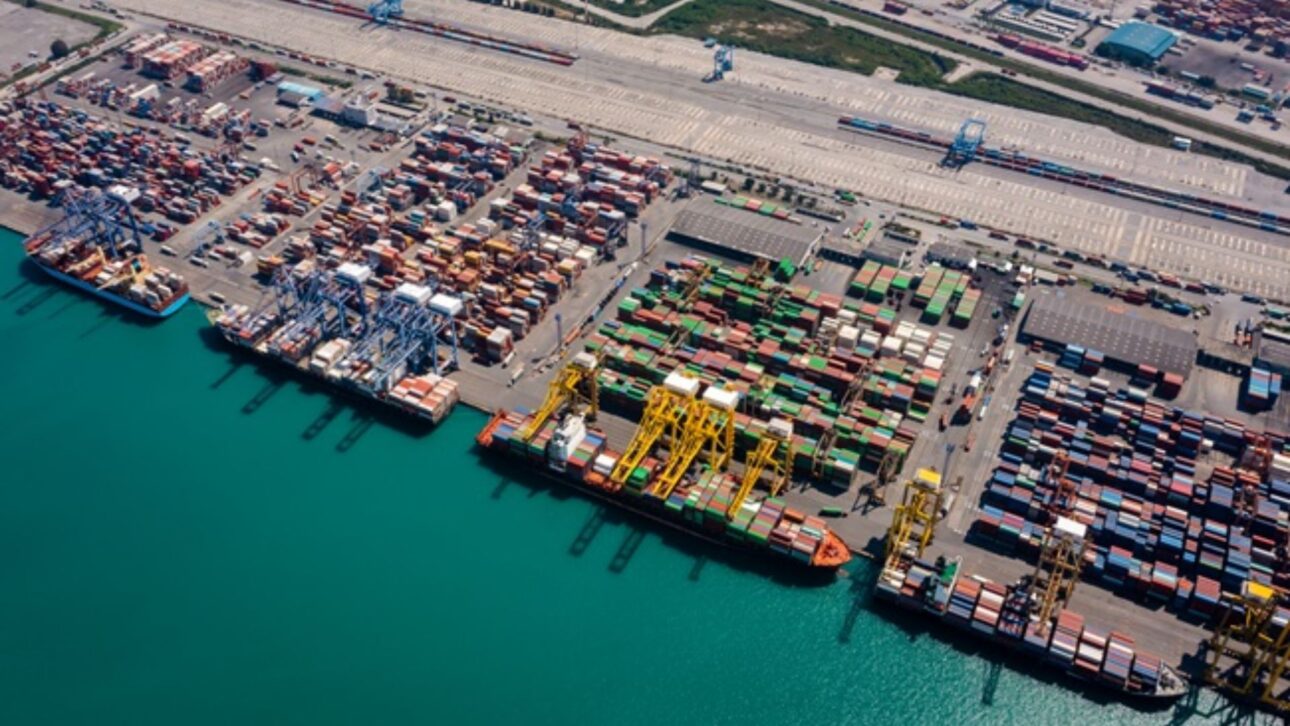
Another fundamental axis is the expansion of the railway system.
The official goal is to increase the share of the rail modal from the current approximately 30% to 40% by 2035.
The project includes expansion and duplication of internal accesses, direct connection with Rumo Logística and MRS Logística networks, and installation of new maneuvering yards, aimed at reducing logistical costs, decreasing carbon emissions, and optimizing the flow of agricultural and industrial production.
New Terminals and Automation Technology
The implementation of the STS10 terminal stands out among the expansion works.
With an initial capacity of 2.4 million TEUs/year, potentially reaching 3.5 million TEUs in the 9th year of operation, the terminal represents a leap in efficiency for the port.
There is a forecast for advanced automation technologies, making Santos a reference in smart and sustainable terminals, as specified in tenders and sector studies.
Submerged Tunnel Santos-Guarujá: Unique Work in Brazil
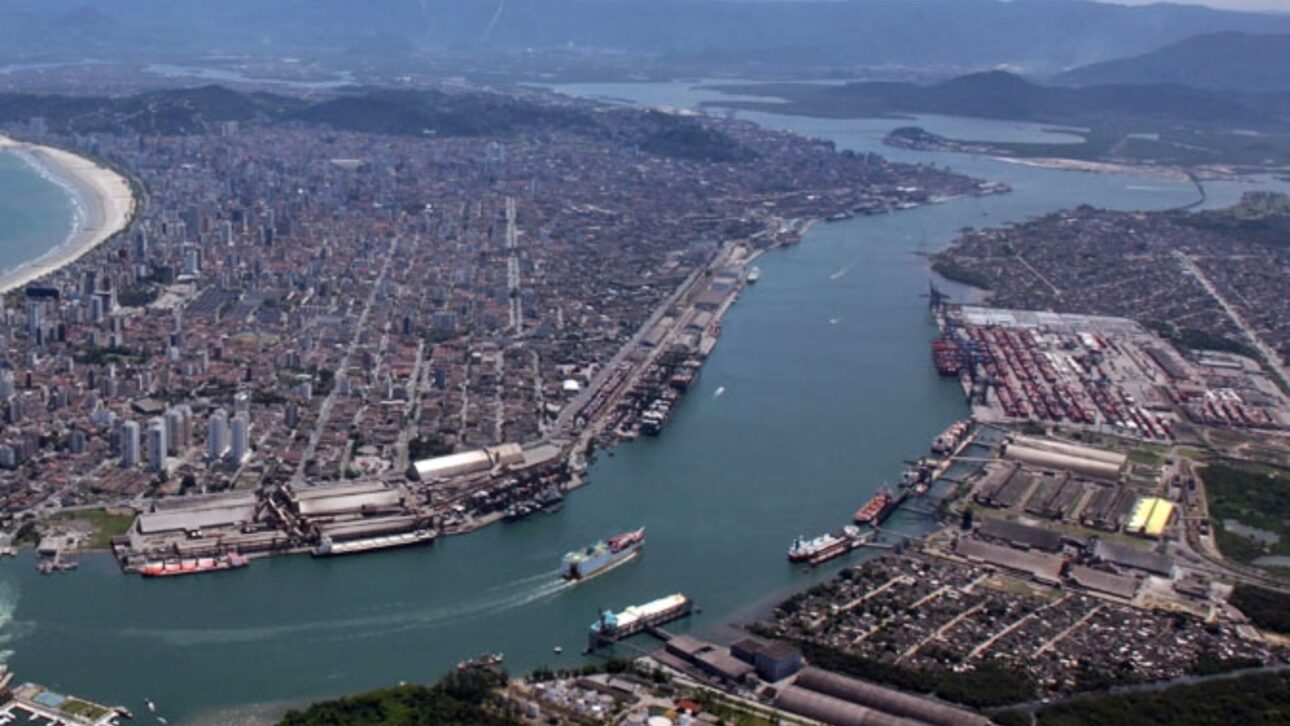
One of the most anticipated works is the submerged tunnel between Santos and Guarujá, currently in the bidding phase and scheduled to start in 2026.
The structure will have approximately 870 meters submerged and a total length of 1.5 km with ramps.
The project is budgeted at around R$ 6 billion, according to 2025 tenders, and provides for lanes for cars, buses, trucks, and a bike lane, eliminating the historical dependence on ferries for crossing between the two cities.
The expectation is that over 1.5 million people will be directly benefited, in addition to the impact on logistical mobility.
Urban Improvements and Ongoing Interventions
The Augusto Scaraboto Street (official spelling), the main access to the Alemoa terminal, is being redeveloped with new pavement, drainage, and an exclusive lane for trucks, totaling investments of R$ 14 million.
It is worth noting that some interventions are already underway, while others, such as the submerged tunnel, are in the bidding phase and scheduled to start in 2026.
Management, Partnerships, and Sustainability
The coordination of the works is under the responsibility of the APS, which conducts strategic planning, structuring contracts, and public-private partnerships.
The involvement of the state government of São Paulo and the Ministry of Ports is considered essential to keep the Port of Santos connected to the main international routes and competitive against the largest ports in the world.
Investments until 2035 cover terminals, access, digitization, and urban infrastructure, projecting potential for job creation and regional development.
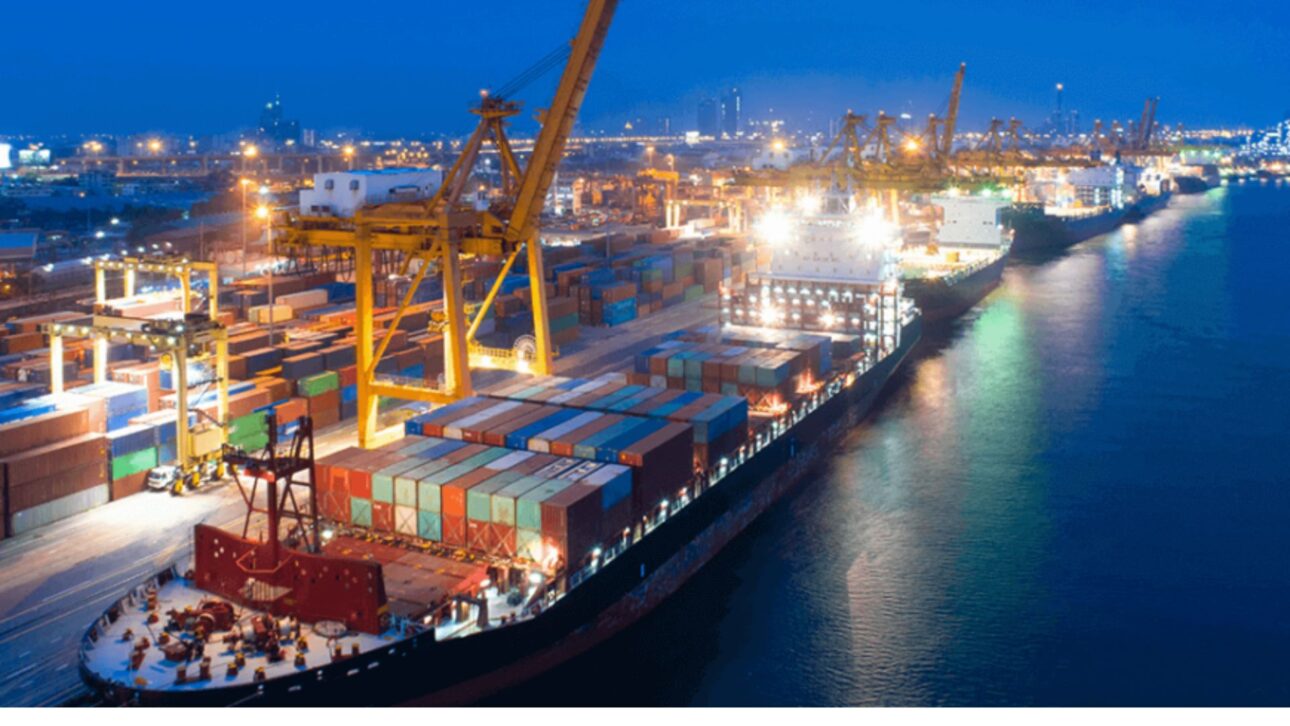
Logistical Future and National Integration
The modernization of the Port of Santos paves the way for a new level of integration between Brazil’s producing regions and international markets.
With railway expansion, reduced dependence on roads, and reinforced infrastructure, it is projected that the port will consolidate its strategic position and increase Brazil’s participation in global trade.
The submerged tunnel between Santos and Guarujá symbolizes a structural advancement with the potential to integrate cities, facilitate access to jobs, public services, and foster tourism, as well as enhancing real estate and business values in the continental region of Guarujá.
In light of these transformations, the Port of Santos becomes an example of modernization and logistical sustainability for Brazil.
What opportunities can the country seize with the new infrastructure of the Port of Santos, and how will the population of Baixada Santista be impacted by the changes already underway and planned for the coming years?





Be the first to react!