






 Portuguese
  Spanish


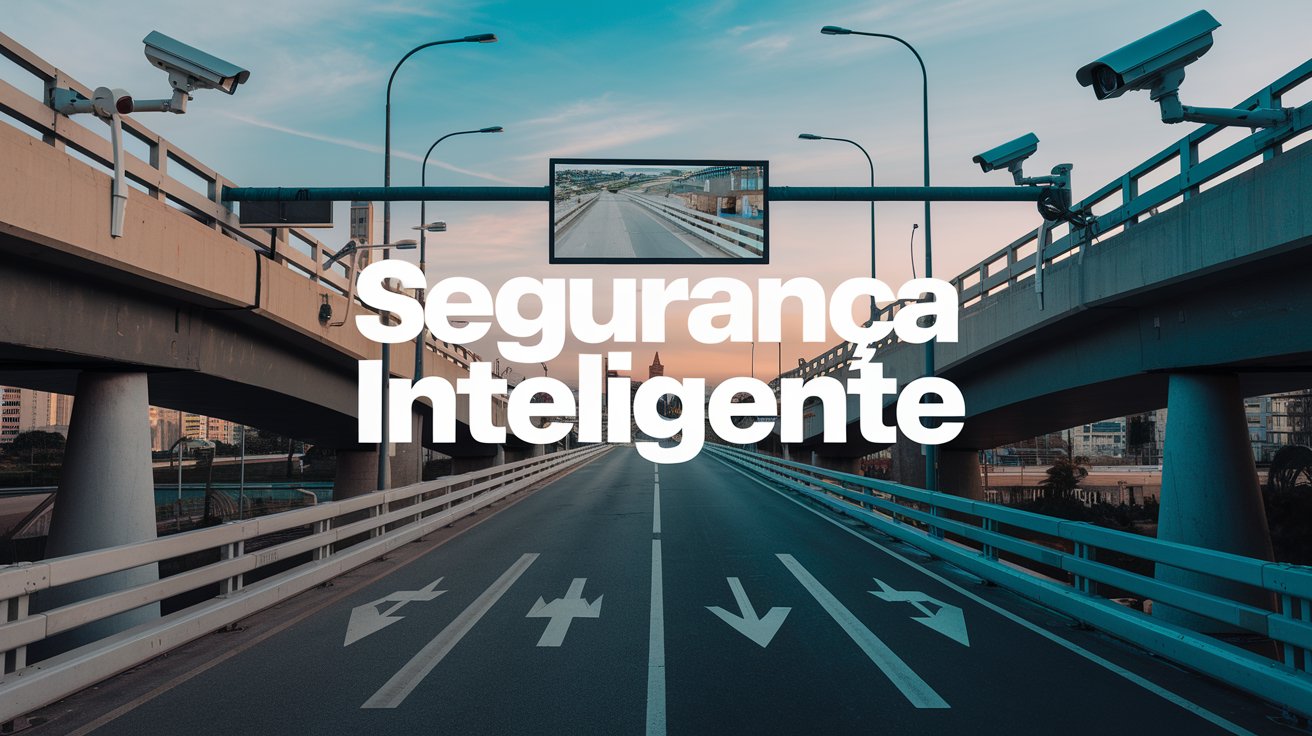

Security Cameras in São Paulo Will No Longer Fine! On the Contrary, the City Is Investing in an Ultra-Modern System to Protect Drivers and Pedestrians.
The residents and drivers of São Paulo are used to a strict electronic monitoring system, either through the famous radars or the enforcement carried out by CET traffic agents.
However, the city has just taken a step forward by implementing new technology that promises to revolutionize urban safety without the main goal of issuing fines.
The innovation comes through the Smart Sampa project, an initiative that uses high-tech cameras to monitor streets, avenues, overpasses, and bridges with a focus on public safety.
-
Former Atacadão Employee Turns Online Cake-Baking Lessons into a Confectionery Brand with Factory, Store, Delivery, and Nearly $400,000 in Revenue

-
Brazilian Startup Sells Nearly 9 Million Surprise Bags of Near-Expiry Food, Prevents Thousands of Tons of Waste, Aiming for $42 Million Revenue by 2026
-
How to Prevent Brown Recluse Spider Bites: Common Hiding Spots and Free Tips to Reduce Risks

-
Natto: The Unusual Japanese Superfood Gaining Popularity on Social Media and Driving Record Exports




The system, which boasts an impressive volume of 20,000 cameras spread throughout the city, has advanced features such as facial recognition and automatic license plate reading.
What Is Smart Sampa and How Does It Work?
The implementation of this system is part of municipal authorities’ efforts to make São Paulo a safer and more technologically prepared city to deal with urban challenges.
The Smart Sampa cameras operate in real-time, allowing public security forces to monitor potential incidents and make quick decisions to prevent crimes and disorders.
One of the major innovations of the system is its ability to automatically identify stolen vehicles, cross-referencing information with police databases.
As soon as a suspicious car is detected, an alert is generated, allowing for a quicker response from authorities.
Another important point is the system’s integration with other institutions, such as the Fire Department and emergency medical services.
This means that, in the event of a serious accident or any situation requiring rapid assistance, professionals will be automatically notified to act quickly.
Benefits for the Population
Public safety is one of the biggest challenges facing large metropolises, and using technology in favor of public protection is a global trend.
During major events, such as Carnival, Smart Sampa has proven to be extremely efficient in preventing incidents, helping to identify crowds, fights, and acts of vandalism before they escalate.
Of the 20,000 cameras spread across the city, approximately 4,000 have specific technology for reading vehicle license plates.
This allows precise traffic monitoring and rapid tracking of vehicles involved in infractions or crimes.
The Cooperation Agreement signed with the Ministry of Justice also strengthens the system, allowing data sharing with Infoseg, Brazil’s largest criminal information database.
This means that data cross-referencing becomes even more efficient in locating individuals wanted by the courts.
But What About Fines?
Despite the high level of monitoring, one notable point is that the Smart Sampa cameras are not programmed to automatically fine drivers.
Unlike traditional speed cameras, these cameras aim for public safety.
However, experts point out that there is legal support for video monitoring to be used in traffic enforcement in the future.
Marco Fabrício Vieira, a council member of the São Paulo State Traffic Council (Cetran-SP), explains that the use of technology for enforcement is allowed as long as there is a flagrant of the infraction and confirmation by a human agent.
Currently, alerts generated by the system require manual validation, ensuring that no fine is applied automatically without a professional’s review.
In other words, the main objective is to strengthen security and not impose penalties on drivers.
Technology at the Service of the City
The implementation of Smart Sampa positions São Paulo among the most technologically advanced cities in the world when it comes to urban monitoring.
With an intelligent surveillance network, the capital of São Paulo is making a significant leap in crime prevention, emergency response, and large event control.
The future of electronic monitoring in metropolises is heading towards an increasingly integrated and efficient model. The big challenge is balancing technological advancements with transparency and respect for the population’s privacy.
For now, drivers can rest assured: the focus of the new cameras is safety, not traffic enforcement.
But as technology advances, the discussion about its use will continue to evolve. All we can do is closely follow the impacts of this system and hope it brings more benefits than concerns.






