Portuguese
  Spanish


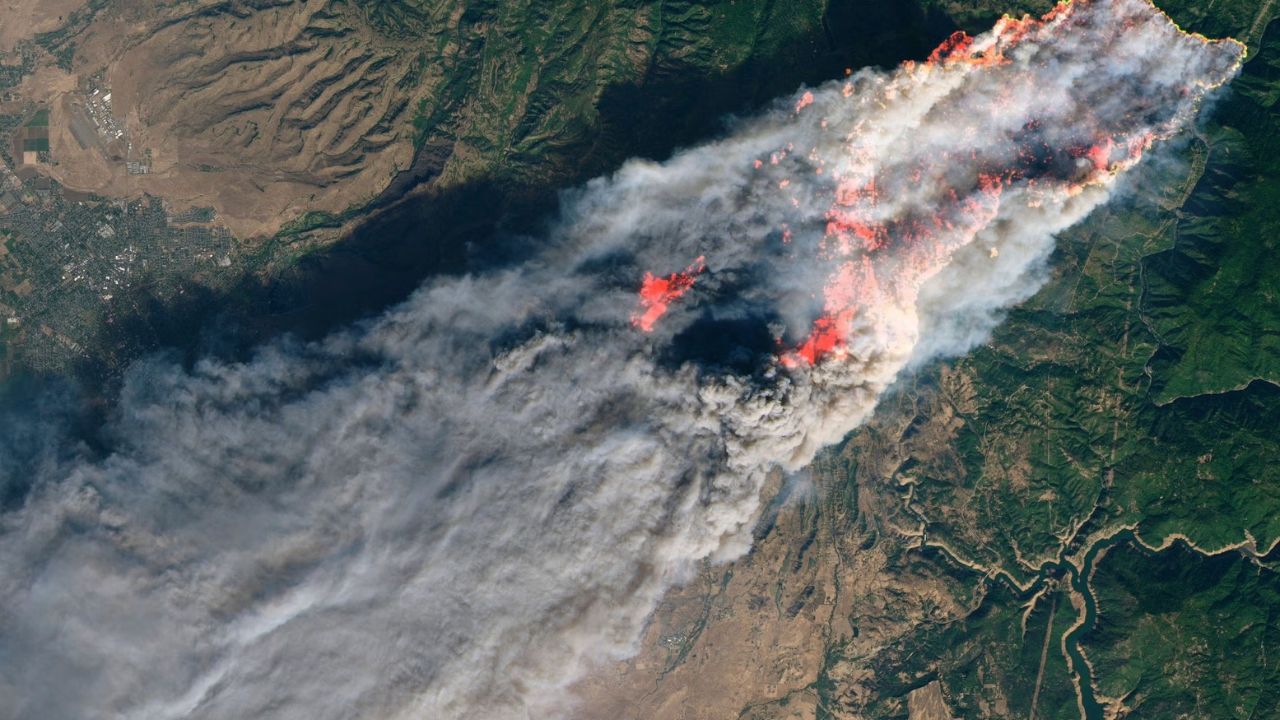

With Extreme Winds, Historic Drought, and Mass Destruction, the Fire in California Has Already Caused Deaths, Displaced Hundreds of Thousands, and May Cost Billions, Being the Most Expensive in U.S. History.
Fires in California are not new, but the current episode has entered history due to its destructive magnitude. This fire, which has already caused deaths, displaced hundreds of thousands, and left a trail of destruction, has the potential to be the most expensive in American history. We are witnessing something unprecedented, and the questions that remain are: how did we get here and what can we do to prevent this from happening again?
Why Is This Fire So Destructive?
The Santa Ana winds are famous in California for their strength and dangerous characteristics. Hot and dry, they sweep across the state, carrying the fire with them as if they were a deadly breath. This time, the winds are even stronger, making it nearly impossible to control the flames.
Another decisive factor is the historic drought that has plagued California for years. Even after short relief episodes, such as the rains brought by El Niño, the vegetation remains dry and flammable, aiding the fire. Grasses and shrubs turn into natural gunpowder, feeding the flames with no resistance.
-
Brazilian City Makes Remarkable Leap, Becomes 4th Wealthiest in the Country with GDP of R$ 134.1 Billion

-
Controversial 6-day Workweek Elimination in Brazil Faces Economic Criticism Over Productivity Claims

-
Itaú to Refund Customers After 14 Years of Unauthorized Credit Card Charges; Agreement Includes No Interest or Adjustments, Deadline by 2028, with Potential Impact of Up to $6.5 Billion

-
Brazilian Company Grows from Bartering Soap for Food to Producing 30 Million Units Monthly, Challenges Global Giants with $100 Million Revenue and Expands into Premium Cosmetics


A Phenomenon Out of Control
While it is still early to state with precision, many experts point to climate change as a possible catalyst for these events. California’s climate is changing faster than expected, creating a scenario where fires become common and intense. It is an explosive combination that challenges science and society.
The state’s infrastructure seems unable to keep up with the escalation of risks. Houses continue to be built in vulnerable areas, and flammable materials are widely used. It’s not just a question of nature; it is a lack of human planning.
Human and Economic Impacts
This fire not only destroys structures but also lives. With five confirmed deaths and hundreds of thousands of people forced to leave their homes, the human impact is devastating. Families are losing everything in an instant, and the rebuilding will be long and painful.
The crisis is not just humanitarian; it directly affects the insurance market and the local economy. With billions in damages, insurers face immense challenges, and the costs will likely be passed on to consumers. The economic impact may take years to overcome.