






 Portuguese
  Spanish




Check the Holidays in 2026 and Plan for Extended Breaks, Trips, and Leisure. Take Advantage of Strategic Dates That Allow Extensions and Drive Tourism, Commerce, and Economy.
If 2025 was marked by few long holidays for Brazilians, 2026 promises to be different. The national calendar brings 11 strategic holidays that coincide with weekdays, allowing extensions and prolonged periods of rest. This configuration offers opportunities for leisure, tourism, and also a positive impact on the economy, especially in the hospitality, transportation, and commerce sectors.
The effect is not limited to national holidays. States and municipalities with their own commemorative dates can extend rest periods even further, allowing workers and families to enjoy more leisure moments.
Traditional tourist destinations are likely to feel an increase in visitor flow, while commerce benefits from greater movement and consumption.
-
SpaceX launch turned Falcon 9 into a giant jellyfish in the night sky, with a colorful plume illuminated by the Sun at high altitude, confusing observers and showing how a routine flight can become a rare spectacle of atmospheric physics over Earth.

-
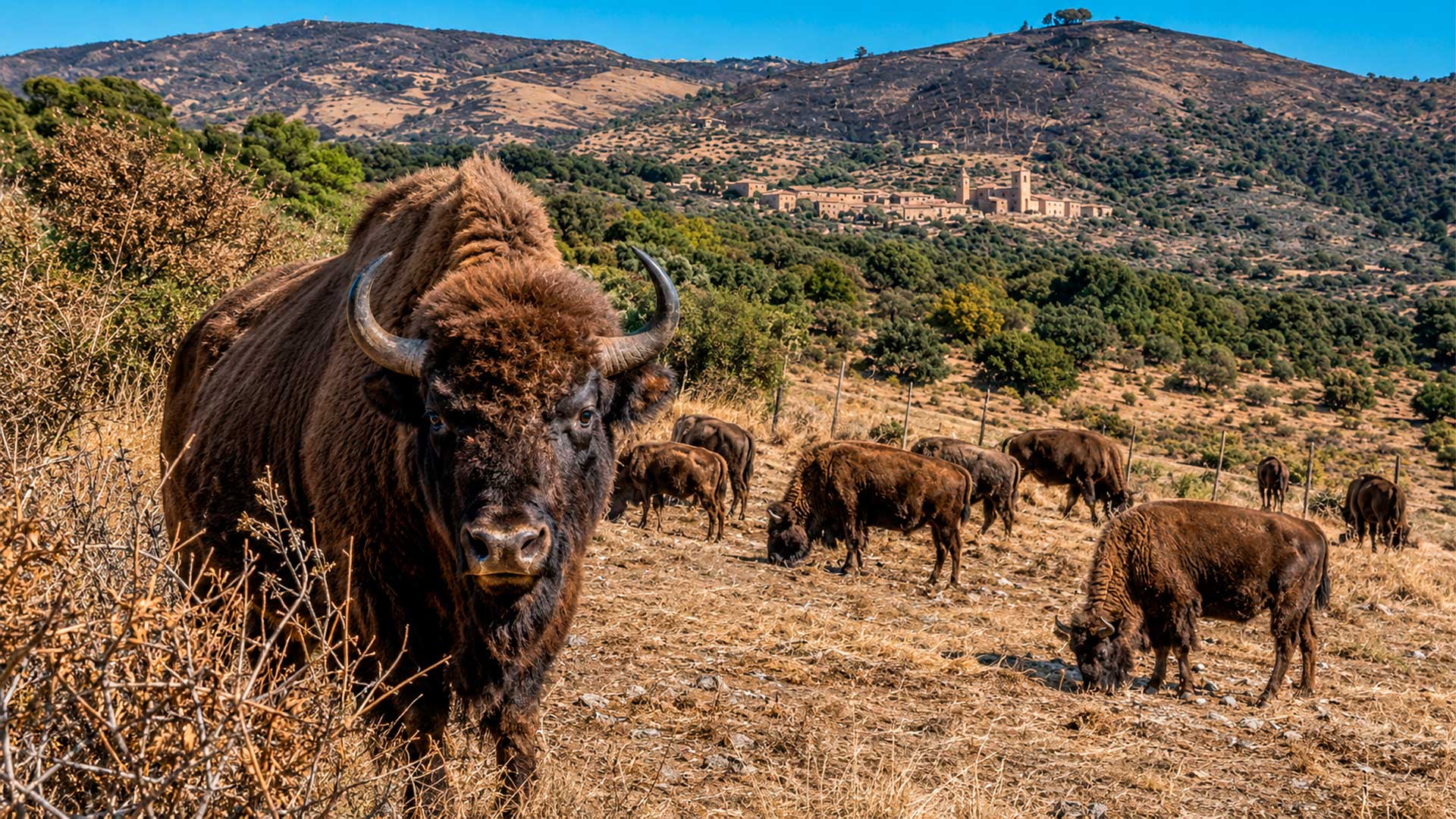
Spain places 9 bison in a fenced area of 400 hectares to test a new barrier against fire, but scientists warn that, although they control the underbrush, there is no evidence that the animals can reduce large fires.

-
YOU LOOK AT SUGAR EVERY DAY, BUT THERE IS A BAN ON IT THAT ALMOST NO ONE KNOWS; UNDERSTAND WHY MAKING IT AT HOME IS NOT ALLOWED IN BRAZIL

-
Arrival of the São Francisco River waters in Rio Grande do Norte marks a historic chapter, boosts development, and symbolizes social justice for millions of Northeasterners.



Holidays of the First Semester of 2026
The beginning of the year already presents strategic dates that favor extensions and short getaways.
Universal Brotherhood Day, on January 1st, falls on a Thursday, allowing many to extend the weekend. Meanwhile, Carnival, on February 17th (Tuesday), offers a holiday that can be enjoyed for short trips.
Good Friday, on April 3rd, falls on a Friday, creating the classic religious long holiday.
On April 21st, Tiradentes Day occurs on a Tuesday, providing an opportunity for an extension on Monday. Labor Day, on May 1st, will be on a Friday, while Corpus Christi, on June 4th, falls on a Thursday.
These holidays in the first semester make the period favorable for short trips, family outings, or cultural activities, in addition to generating movement in local and regional commerce.
Summary of the First Semester:
- January 1st (Thursday) – Universal Brotherhood Day
- February 17th (Tuesday) – Carnival
- April 3rd (Friday) – Good Friday
- April 21st (Tuesday) – Tiradentes Day
- May 1st (Friday) – Labor Day
- June 4th (Thursday) – Corpus Christi
Holidays of the Second Semester of 2026
The second semester also brings strategic dates, ensuring long holidays and extended rest periods.
Independence Day, on September 7th, falls on a Monday, creating the first prolonged holiday of the semester.
Our Lady of Aparecida, on October 12th, also falls on a Monday, ideal for trips and tourism.
The holiday of All Souls’ Day, on November 2nd, will be on a Monday, followed by Black Consciousness Day, on November 20th, which falls on a Friday.
Finally, Christmas, on December 25th, will also be on a Friday, allowing for extended weekends and family celebrations.
These strategic holidays encourage domestic tourism and contribute to the growth of economic sectors linked to leisure, transportation, and hospitality.
Moreover, they provide workers with the chance to rest and recharge before the end of the year.
Summary of the Second Semester:
- September 7th (Monday) – Independence Day
- October 12th (Monday) – Our Lady of Aparecida
- November 2nd (Monday) – All Souls’ Day
- November 20th (Friday) – Black Consciousness Day
- December 25th (Friday) – Christmas
Comparison with 2025
While 2026 presents numerous opportunities for long holidays, 2025 was marked by dates that almost did not allow extensions. Among the few extended holidays, the highlights are:
- March 3rd and 4th (Monday and Tuesday) – Carnival (optional holiday)
- April 18th (Friday) – Good Friday
- April 21st (Monday) – Tiradentes Day
- May 1st (Thursday) – Labor Day
This difference highlights how the 2026 calendar can positively impact the routine of Brazilians, encouraging tourism and increasing consumption in strategic sectors of the economy.
Based on this overview, 2026 presents itself as a favorable year for planning trips, leisure, family gatherings, and taking advantage of extended holidays.
Whether for domestic tourism, short getaways, or cultural activities, the strategic dates of the national calendar can be used wisely to improve quality of life and stimulate the economy.


