






 Portuguese
  Spanish


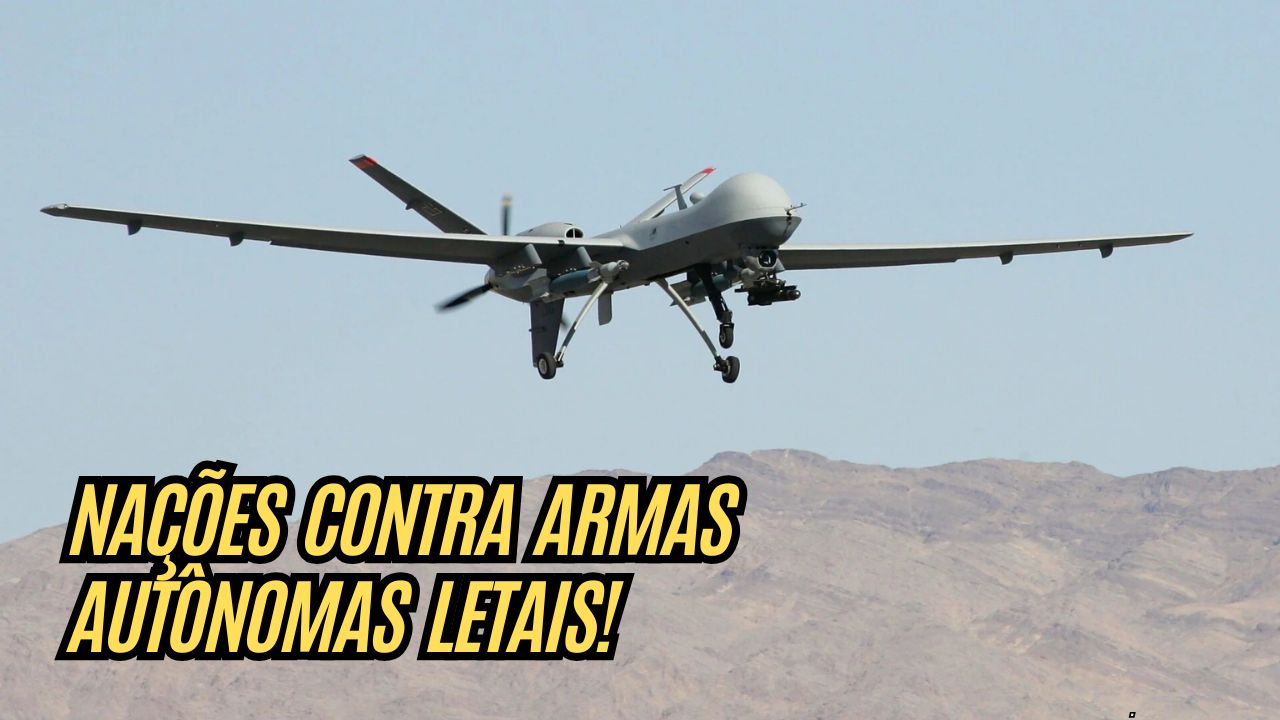


The Discussion About “Killer Robots” Gained Traction at the UN, with 166 Countries Voting in Favor of a Resolution Calling for a Treaty to Ban These Autonomous Lethal Weapons. The Central Concern Revolves Around the Risks That These Devices Pose to Global Security, Fueled by Advances in Technology and Artificial Intelligence (AI). The Vote, Held on December 2, Also Requested an International Forum to Deepen Analysis on the Impacts of These Systems.
Of the voting countries, only three positioned themselves against – Belarus, North Korea, and Russia – while 15 chose to abstain. According to Human Rights Watch (HRW), many of those who did not support the measure are heavily investing in the military development of autonomous weapons, whether on land, in the air, or at sea. These nations see “killer robots” as a strategic differentiator amid continuous advancements in military technology.
The Urgency of a Treaty Against Robots
In a statement this Thursday, HRW highlighted that robots with the ability to decide on life and death, without human intervention, are morally repulsive and politically unacceptable. According to a previously released report by UN Secretary-General António Guterres, such systems pose an imminent threat to international stability and may escalate humanitarian crises and armed conflicts.
The UN document also acknowledges the risks of an arms race, where machines would decide when and against whom to apply lethal force. These robots, once limited by range and operational environment, now gain autonomy with technological advancements, enhancing their operation without significant human oversight.
-
Brazilian Retail Giant Americanas Faces $10 Billion Asset Freeze Amid Investigation into Hidden Debts

-
Does Your State Rank Highest? Brazil’s IBGE Reveals Salary Rankings and Worker Disparities

-
Table Salt Sodium Emerges as Billion-Dollar Bet for Cheaper Electric Vehicle and Energy Storage Batteries
-
World’s Largest Women’s Coffee Collective Emerges in Southern Brazil with 2,179 Female Farmers, Generating $21.7 Million in Four Years, Led by a 103-Year-Old Farmer Ambassador


Next Steps
To advance the issue, a round of consultations is scheduled for next year in New York, involving UN member countries, NGOs, scientific organizations, and other stakeholders. The goal is to build international consensus and outline the next steps for regulating or banning the use of these weapons.
Mary Wareham, Deputy Director of HRW, pointed out that the biggest challenge will be negotiating a robust treaty that prevents a future dominated by “automated killings.” However, since the resolution is not mandatory, some powers, such as the United States, remain reluctant to the idea of completely banning “killer robots.”
With advances in technology and AI expanding the reach and autonomy of these weapons, the world faces a crossroads. The decision now lies in the hands of the international community, which will need to act swiftly and decisively to prevent machines from determining the course of conflicts and human lives.


