






 Portuguese
  Spanish




Study Shows That High Interest Rates, Inflation, and Low Quality Jobs Explain the Increase in Delinquents in the Country
Indebted Brazilians Total Over 73 Million, according to a survey by Serasa referring to August 2024. The number represents a 16% increase since 2021 and confirms a concerning trend: the constant growth of delinquency amid a scenario of economic instability and precarious work conditions.
According to a study by Ibevar-FIA, using data from the Central Bank and Ipea, deliquency is the result of a complex cycle, fueled by high interest rates, persistent inflation, low income, and informal employment. The study mapped the connections between these variables and showed how overindebtedness feeds back over time, further straining the budget of families.
Interest Rates and Inflation Directly Affect Indebted Brazilians
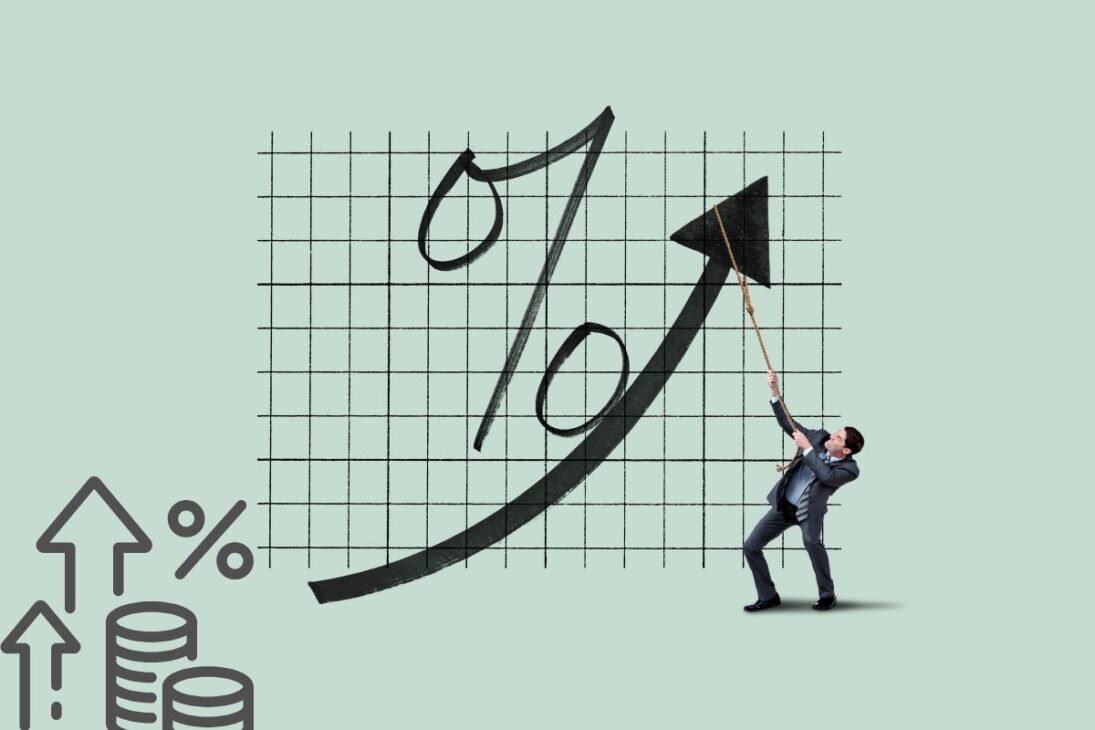
The main conclusion of the study is clear: the interest rate is the most decisive factor for the increase in delinquency. An increase of just 1% in the interest rate for consumers raises delinquency by 0.746% within 3 to 4 months. This direct relationship highlights how the cost of credit influences the financial disarray of millions of families.
-
Brazil’s 2026 Tax Refund: Record 9.58 Million Filers in Largest Payout Ever, But a Key Detail on Priority Recipients Draws Nationwide Attention

-
Itaú Alters Hybrid Work Model, Increasing Office Days from 2028, Prompting Employees to Adjust to New Routine
-
Facing Labor Shortage, Japan Plans to Invest $34 Million to Attract Foreign Workers in Construction, Healthcare, Industry, and Commerce

-
Brazilian City Makes Remarkable Leap, Becomes 4th Wealthiest in the Country with GDP of R$ 134.1 Billion




Moreover, inflation has a significant effect, though slower, impacting delinquency by 0.034% increase between 4 and 5 months after price hikes. The loss of purchasing power, combined with the rising cost of credit, compromises payment capacity, especially among the poorest.
Informal Employment and Low Income Worsen the Problem
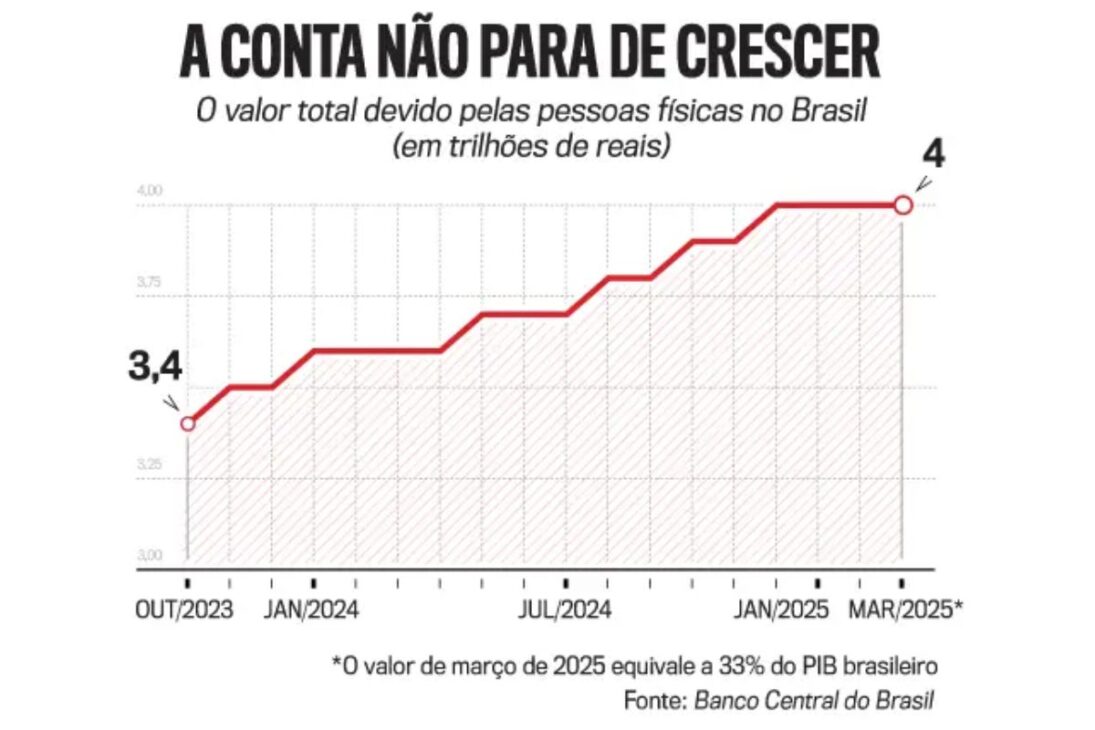
Another revealing data point from the survey is the paradox of employment: even with an increase in the number of employed workers, delinquency also grows. The explanation lies in the quality of jobs. The rise in informality and low wages causes consumption to increase without solid financial backing, leading to payment delays.
According to researchers, a 1% increase in the level of employment can raise delinquency by 0.049% within 2 or 3 months. Meanwhile, an increase in real average income has an even more discreet effect, at only 0.00036%, but also drives indebtedness when not accompanied by stability and financial education.
The Structural Root of the Crisis of Indebted Brazilians

The data shows that it is not just a lack of money, but an unbalanced model of credit and work. The study reinforces that high indebtedness is directly linked to high interest rates, which in turn makes access to credit more expensive, forcing high-risk consumption decisions.
In this scenario, delinquency is not an individual error but a reflection of an economic structure where families consume beyond their payment capacity due to a lack of sustainable alternatives. The combination of low income, precarious employment, and expensive credit creates a difficult cycle to break.
Do you believe that improving financial education would solve the problem of indebted Brazilians, or is a deeper change in economic policies needed?








