






 Portuguese
  Spanish




More Than 1,000 Buffaloes Died Abandoned on a Farm in the Interior of São Paulo. The Case, Valued at R$ 3.5 Million and with a Risk of 500 Years in Prison, Became a Symbol of Animal Cruelty in Brazil
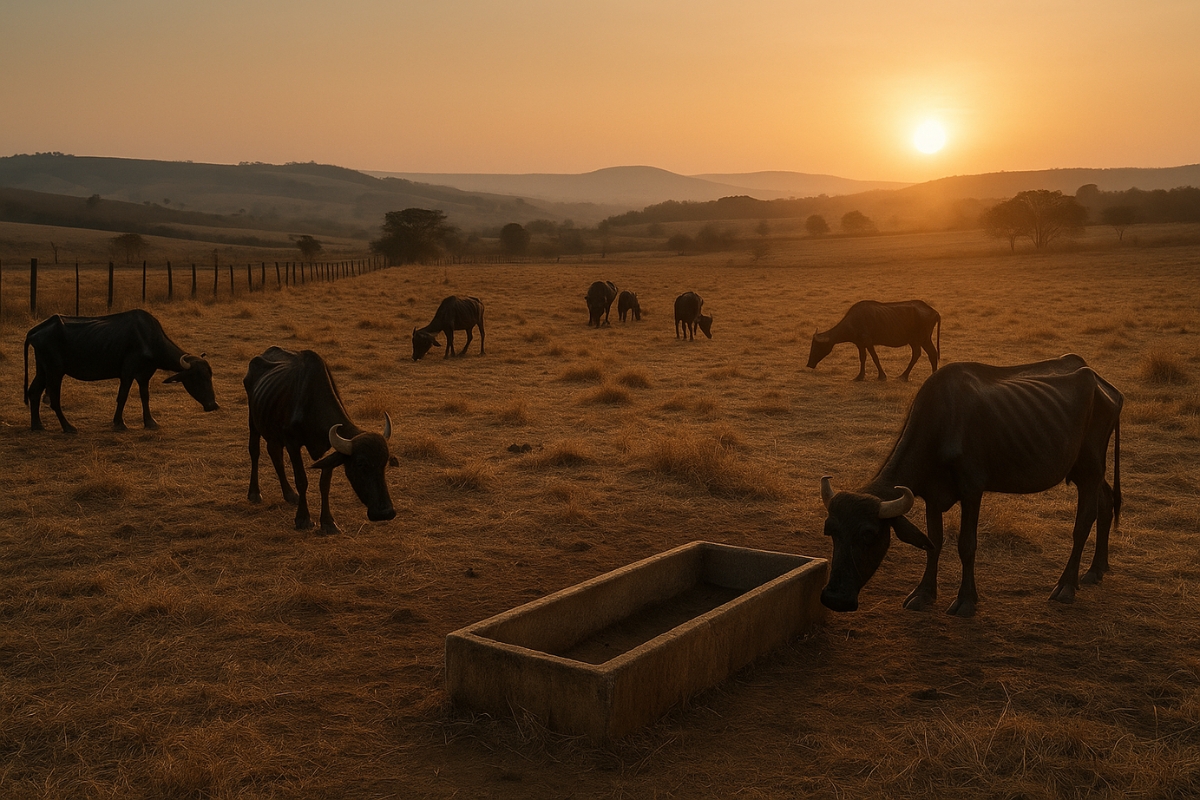
In November 2021, the interior of São Paulo was the scene of one of the most shocking occurrences ever recorded in the country. Over a thousand buffaloes were found agonizing from hunger and thirst at Fazenda São Luiz da Água Sumida, located in Brotas.
The case, which quickly gained national attention, exposed the dark side of intensive cattle farming and raised an urgent debate about environmental and criminal responsibility in the field.
The Discovery That Moved the Country
Everything began with an anonymous complaint sent to the Environmental Military Police. Upon arriving at the farm, the officers encountered a horrific scene: hundreds of buffaloes in an advanced state of malnutrition, pregnant females dead, carcasses scattered, and shallow graves where animals were buried without any sanitary control.
-
Entrepreneur Who Started at 13 Delivering Flyers by Bike in São Paulo Now Runs a 4,000 m² Culinary Complex in Brazil

-
In China, Workers Use VR Goggles and Body Sensors to Train Humanoid Robots for Tasks Like Folding Clothes and Stocking Stores
-
12-Year-Old Math Prodigy from Brazil Wins Two Gold Medals and Aims for Elite IMPA Tech
-
Magnet Weighing Over 360 Kilograms, Designed for Cardiac Surgery Machine and Valued at $100,000, Retrieves Sawed-Off Shotgun with Scratched Serial Number from Sea During Magnetic Fishing


The numbers were shocking—1,056 buffaloes and 72 equines were identified on the site, according to official reports. Many had already died of starvation. Others were rescued in critical condition, attended to by volunteers and animal protection organizations that mobilized urgently.
Veterinarians reported cases of spontaneous abortions, extreme dehydration, and severe injuries caused by the animals’ attempts to escape. Witnesses described the scene as “a true open-air cemetery.”
The Responsible Party and the Transformation of the Farm
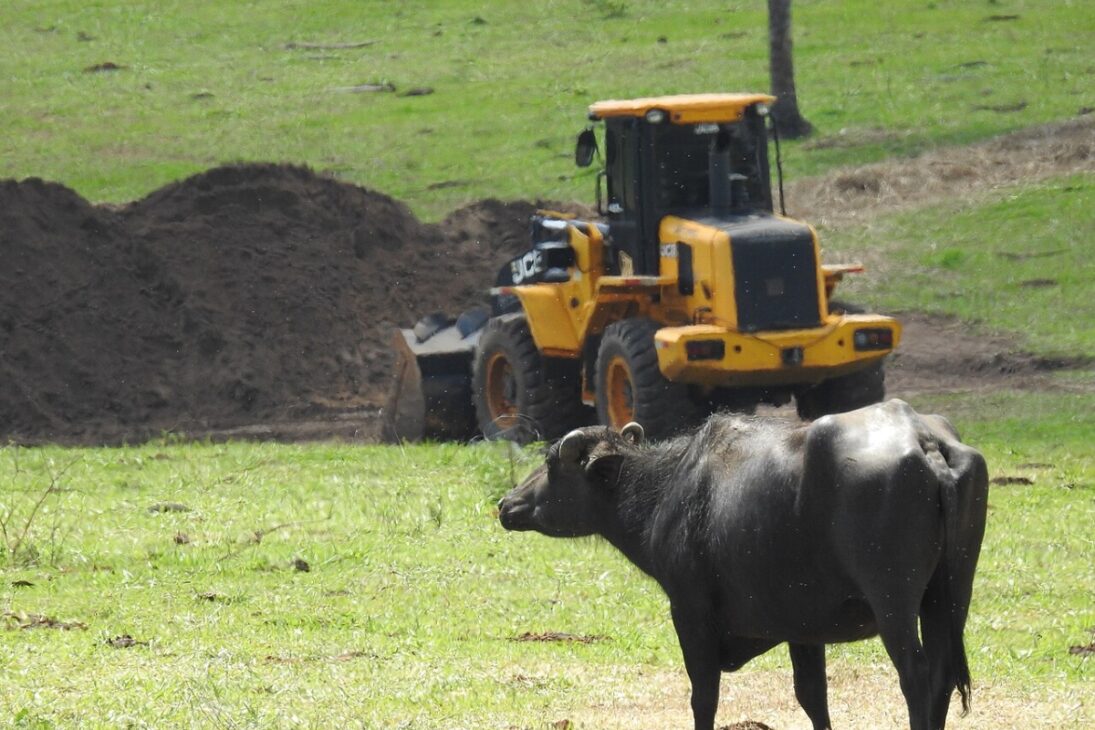
The owner, Luiz Augusto Pinheiro de Souza, was known in the region for raising buffaloes and producing dairy products. However, subsequent investigations revealed that in the months prior to the tragedy, he had begun converting the farm’s pastures to soybean cultivation, destroying the animals’ feeding areas with tractors.
With the land unproductive for grazing and without food or water, the buffaloes were simply left to fend for themselves.
Reports indicate that the farmer ignored previous warnings and complaints of mistreatment. The State Prosecutor’s Office charged Souza with crimes against wildlife and aggravated mistreatment, based on Law No. 9,605/1998 (Environmental Crimes Law) and Article 32 of the Penal Code.
The Weight of the Law and the Dimensions of the Penalty
The legal calculation is striking. Each victimized animal is considered an independent occurrence, meaning the farmer could face more than a thousand criminal charges.
According to estimates from the Prosecutor’s Office itself, the total sentence—if all accusations are upheld—could exceed 500 years in prison, in addition to fines exceeding R$ 3.5 million for moral and environmental damages.
The complaint also included the aggravating factor that some of the animals may have been buried alive in graves dug to conceal evidence. The Scientific Police of São Paulo confirmed the existence of recent graves with organic material compatible with buffalo remains, further amplifying the scandal and strengthening the accusation of intentional cruelty.
National Repercussions and Social Mobilization
As soon as the first images were released, outrage swept across social media. NGOs such as Ampara Silvestre, Santuário Vale da Rainha, and local animal protection groups organized rescue, transport, and feeding efforts.
Within days, dozens of trucks were deployed to remove the survivors and take them to temporary shelters. Veterinarians and volunteers took turns around the clock to save the weakened animals.
Celebrities and politicians also expressed their support. São Paulo lawmakers called for stricter penalties for rural animal mistreatment, while the Prosecutor’s Office created a task force to monitor the civil and criminal accountability of the farmer.
The Environmental Impact and the Cost of Negligence
In addition to animal suffering, the abandonment caused a major environmental collapse.
The decomposition of the carcasses contaminated the soil and groundwater, compromising nearby springs. The technical report prepared by CETESB indicated the presence of biological waste and the proliferation of insects and vultures in the region, necessitating emergency sanitation control actions.
The municipality of Brotas—known for its ecotourism and waterfalls—suffered damage to its image and losses to the local economy. It is estimated that the cost of rescuing, treating, and maintaining the surviving animals exceeded R$ 1 million, primarily funded by private donations and NGOs.
Slow Justice and Enforcement Challenges
Despite the gravity of the case, the judicial process is ongoing, with appeals and challenges.
Environmental law experts criticize the slowness in the criminal accountability of large landowners, pointing out structural flaws in the enforcement system. “Cases like Brotas show that even in the face of indisputable evidence, impunity is still the rule,” said environmental lawyer Ricardo Antunes in an interview with local media.
The State Department of the Environment reinforced that the citations are still valid and that new inspections of rural properties are being carried out to prevent similar tragedies.
Lessons and Warnings for the Future
The case of the buffaloes in Brotas exposed a dilemma that Brazil insists on ignoring: the absence of effective animal welfare policies in the field.
Despite legislative advances, the lack of oversight and the low number of inspectors make it nearly impossible to monitor large rural properties.
Environmental organizations advocate for the creation of a national fund for the rescue and shelter of animals victimized by mistreatment, in addition to measures for digital tracking and the requirement of management reports in medium and large farms.
The tragedy in Brotas remains a warning: profit can never justify suffering. And responsibility for animal life, whether in the city or in the field, must stop being just a momentary emotional theme and become a permanent public policy.


