






 Portuguese
  Spanish
  5 min of reading
  0 comments


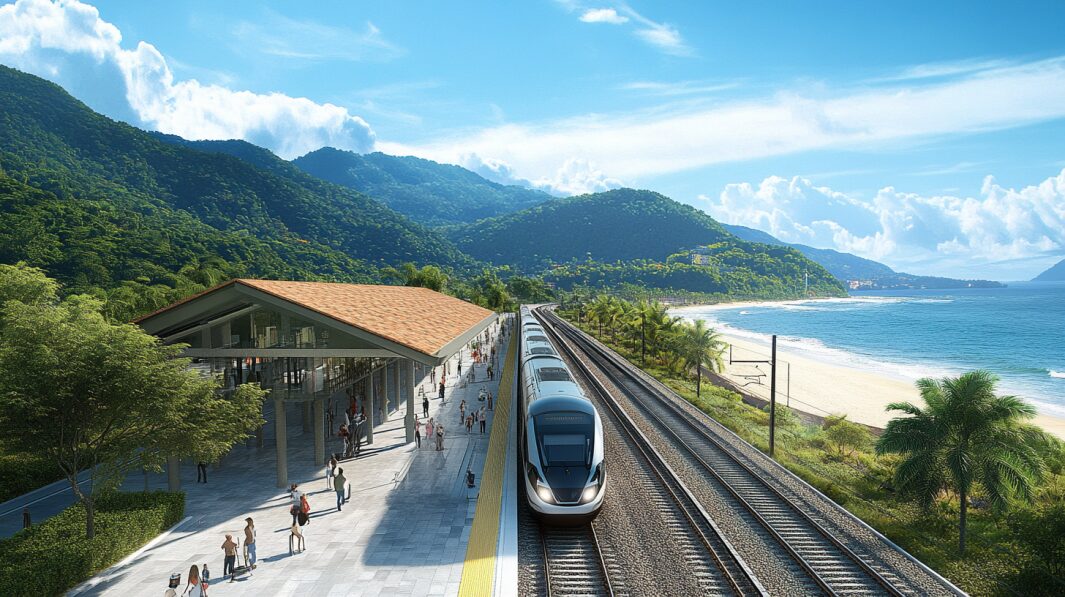
After 30 Years, The Population of The São Paulo Coast Dreams of The Return of Passenger Trains. With Plans for Revitalization, Experts Discuss The Reactivation of A Section That Marked Generations. A Future of New Routes May Be Closer Than Ever.
In an era when urban mobility is becoming an increasing challenge for coastal cities, old tracks gain a new glimmer of hope.
Residents of The São Paulo Coast, Especially From Itanhaém, Hold Vivid Memories of The Times When They Could Travel Through The Train Region, With Speed, Safety, and A Touch of Nostalgic Adventure.
Now, after more than three decades of suspension of train services, the idea of resuming passenger trains between Santos and Juquiá is beginning to gain strength and support from the local population.
-
Brazilian Joins Homeownership Consortium, Faces Decade of Dual Payments Totaling $141,000, Surpassing Traditional Mortgage

-
Land Rover to Halt Production in July, Putting 371 Jobs at Risk, as Chinese Automaker Negotiates to Convert Factory to 100,000 Vehicles Annually by 2027

-
Mexican Pest Threatens U.S. Cattle Herds at Historic Lows, Potentially Boosting Brazilian Beef Exports as Burger Prices Soar

-
Brazilian Freight Bill Progresses in Congress with $5,000 Minimum Wage, 70% Advance Payment, and Fines Up to $1 Million, as Agriculture and Industry Warn of Rising Costs and Legal Uncertainty


Diário do Litoral uncovered the story of the trains and the expectations for the future of the tracks, which can alleviate traffic and rescue part of The Historical Memory of the region.
Check below for details about the route, plans for a tourist line, and prospects for the recovery of this historic transportation.
What Was The Old Santos-Juquiá Train Line Like?
The old railway line that connected Santos to Juquiá, passing through cities on The Southern São Paulo Coast, was inaugurated in 1913, with the construction of The Southern São Paulo Railway, an English company responsible for structuring part of The Railway Network of The State of São Paulo.
In 1927, the line was managed by The Sorocabana Railway, expanding the stretch to Juquiá, in The Ribeira Valley.
For decades, this line was the main means of transportation for the region’s inhabitants, providing a practical and accessible alternative to road vehicles.
The route passed through 34 stations and stops along the more than 200 km between Santos and Juquiá.
The trip, which lasted approximately three hours, crossed lush landscapes and was a popular option for both residents and tourists.
Over the years, however, the service was discontinued, leaving only the memories of a time when trains were part of the daily life of the coastal population.
Memories of A Railway Worker: Stories and Accidents
Marcelo Lara, 89 Years Old, is one of the former workers of The Sorocabana Railway and holds memories of the period when he worked as a railway worker.
Retired, he has lived in Itanhaém for 50 years and shares emotional stories from his career, which lasted 25 years.
In an interview with Diário do Litoral, he recalled working in line maintenance, constantly traveling to perform services in various cities in the region.
“The company provided us with a car to sleep and eat, as sometimes we spent days away from home,” Marcelo recalls.
He also remembers an accident he had when he fell from a freight car loaded with stones. Fortunately, he emerged unscathed.
Another significant episode was the accident on April 1, 1938, when a heavy storm knocked down trees onto the tracks, affecting the structure of the bridge that spanned the river.
The train, with passengers on board, failed to complete the crossing, and the tragedy left marks in the region’s railway history.
Remembrances and Nostalgia: The Railway Culture on The São Paulo Coast
For many inhabitants of The Southern Coast, the old Santos-Juquiá line is synonymous with nostalgia and represents A Unique Way of Life.
The writer and researcher Maria Tereza Leal Diz, known as Teté, published a chronicle in her book about The Sorocabana Railway, where she describes the magic of traveling by train.
According to her, the experience was a special outing, where one could appreciate landscapes and feel the vibrant movement of the cities at the stations.
As reported by Diário do Litoral, the arrival of the railway had a profound impact on the lives of local residents, creating new habits and changing the economic and social landscape of the region.
Trains not only transported passengers and freight, but also turned the stations into meeting points for buying newspapers, magazines, and local products.
Revitalization Attempts: Tourism Projects and Government Plans
In recent years, proposals have emerged to reactivate the railway stretch in a touristic manner.
In 2017, mayors from The Southern Coast, along with federal deputy João Paulo Papa, met to discuss a project aiming to resume passenger services on a tourist line.
The plan envisioned a route of 66 km, from Mongaguá to Pedro de Toledo, with the concession of the railway network to the company Rumo Logística.
Furthermore, the federal government recently announced its intention to rehabilitate 11,100 km of abandoned tracks throughout Brazil.
This measure estimates that the responsible concessionaires will pay compensations totaling R$ 20 billion, to be reinvested in railway recovery.
According to specialists consulted by Diário do Litoral, Rumo is among those with the most abandoned stretches in Brazil, with approximately 4,900 km of lines out of operation, including in areas of The São Paulo Coast.
In São Paulo, The Legislative Assembly approved, in 2022, bill 148/22, which proposes the resumption of freight and passenger rail transport through “shortlines.”
So far, however, the project awaits regulation and implementation, leaving the population waiting for a concrete return of trains to the routine of their cities.
A Future on Tracks for Residents?
For residents of The São Paulo Coast, like retired railway worker Marcelo and writer Teté, the reactivation of passenger trains could represent a cultural rescue and a sustainable alternative to public transport.
The expectation is that the government and responsible companies will advance in projects that address not only tourism transport but also the daily needs of citizens, helping to reduce traffic on the roads and offering a more accessible and eco-friendly mode of transport.
And what do you think about the idea of reviving the old tracks for public transport on The Coast? Do you believe that the return of trains can transform mobility and tourism in the region? Leave your comment!





Be the first to react!