Portuguese
  Spanish


With Massive Investments in Clean Energy, Morocco Bets on Green Hydrogen to Transform Industry and Become One of the Leading Producers of Ammonia, Sustainable Steel, and Alternative Fuels.
Morocco is taking a giant step towards a more sustainable and economically promising future. The country has just authorized an investment of US$ 32.5 billion in green hydrogen projects, aiming to boost the production of ammonia, steel, and renewable fuels. This initiative not only reinforces the country’s commitment to the energy transition but also positions Morocco as a strategic player in the global clean energy market. Let’s explore the details of this ambitious project and its impact on the global energy landscape.
What Is Behind the US$ 32.5 Billion Investment?
The Moroccan government committee approved green hydrogen projects valued at 319 billion dirhams (equivalent to US$ 32.5 billion). This massive investment is part of a larger strategy to dominate the renewable energy sector and meet the demands of the European Green Deal, which aims for climate neutrality by 2050.
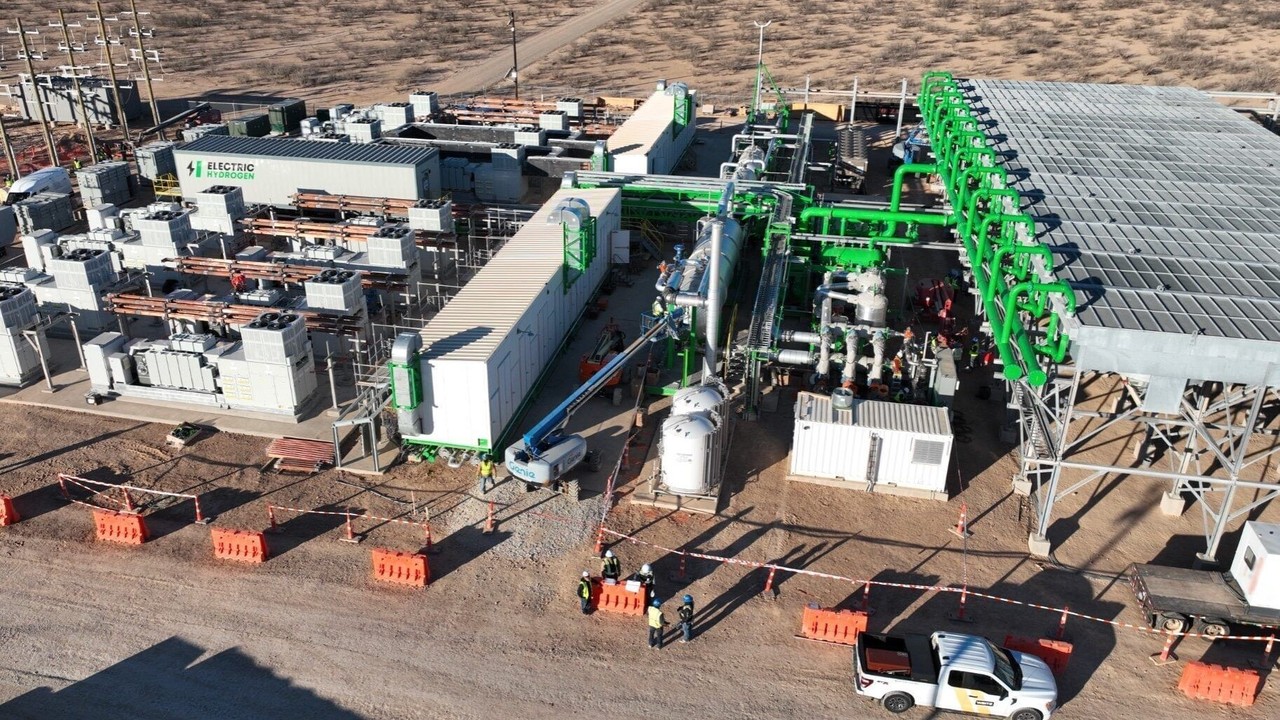
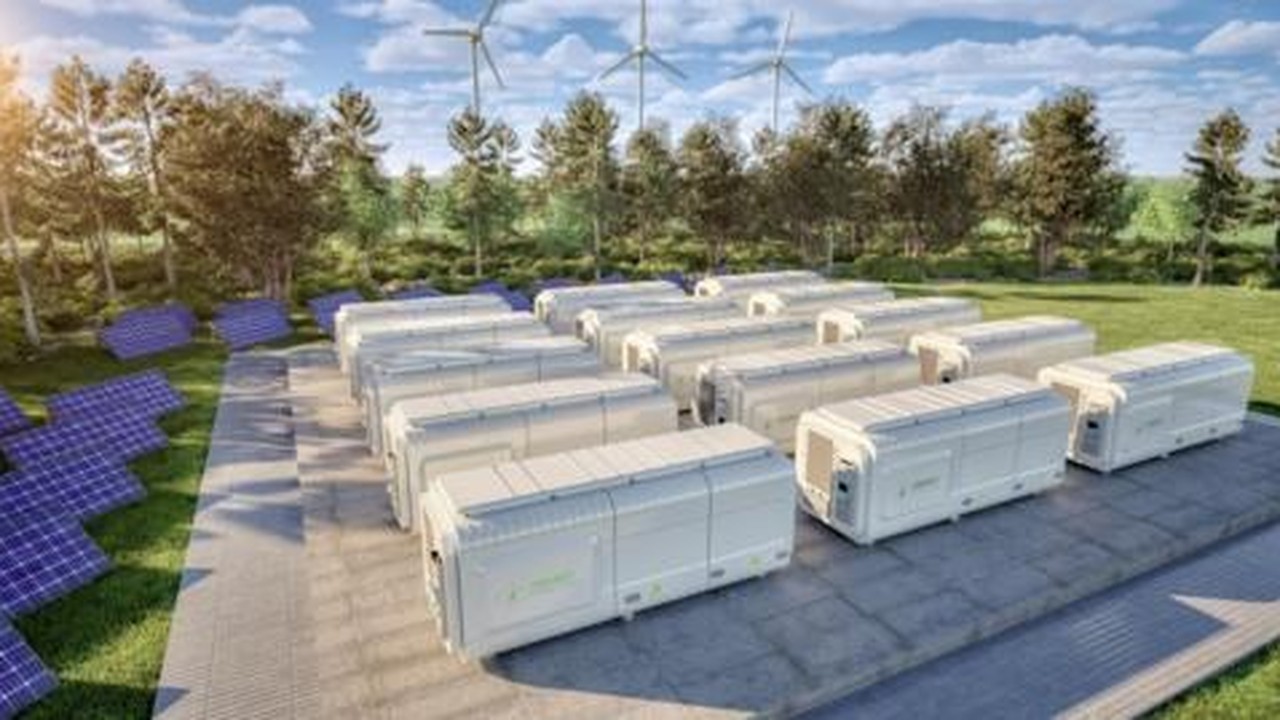
Green hydrogen, produced from renewable sources like solar and wind energy, is seen as a key solution to decarbonize carbon-intensive industrial sectors such as ammonia, steel, and fuel production. Morocco, with its vast renewable energy potential, is positioning itself as a crucial supplier for the European Union (EU), which seeks to reduce its dependence on fossil fuels.
-
Brazil Aims to Become a Global Exporter of Green Hydrogen, the Clean Fuel Set to Generate Billions

-
Brazil to Hold First Offshore Wind Energy Auction, Aiming to Become the Country’s New Hydropower
-
Brazil to Hold First Auction for Batteries to Store Solar and Wind Energy from the Northeast
-
Brazilian scientists are simultaneously advancing two research projects on clean hydrogen and driving solutions that could transform the energy matrix, enhance industrial competitiveness, and accelerate large-scale emission reduction targets.



Who Is Involved in This Initiative?
The Moroccan government has selected some of the largest global energy companies to lead these projects. Among them are:
- Ortus (USA), Acciona (Spain), and Nordex (Germany): responsible for producing green ammonia.
- Taqa (United Arab Emirates) and Cepsa (Spain): focused on producing ammonia and green fuel.
- Acwa Power (Saudi Arabia): tasked with producing green steel.
- UEG and China Three Gorges (China): collaborating on ammonia production.
These international partnerships enhance the project’s credibility and ensure access to cutting-edge technology and global expertise.
Each project will receive up to 30,000 hectares of land, subject to the signing of preliminary agreements. This generous allocation of land reflects the ambitious scale of the initiative and the government’s commitment to providing adequate infrastructure for project development.
The main goal is to supply 10 million tons of renewable hydrogen to the EU by 2030. This target is aligned with the European Green Deal, which aims to accelerate the transition to a low-carbon economy. Additionally, Morocco aims to increase its renewable energy capacity to 52% by 2030, consolidating itself as a regional leader in clean energy.
Past Investments and Future Goals for Green Hydrogen Projects
Morocco had already taken initial steps toward dominating green hydrogen in 2023, when it allocated 300,000 hectares for renewable energy projects. In October of the same year, TotalEnergies (France) signed an agreement with the Moroccan government, while Engie and OCP (Morocco) formed a partnership to develop green ammonia.
Currently, renewable energies represent 45% of the country’s energy mix, with sources like solar, wind, and hydroelectric power playing a crucial role. The goal of reaching 52% by 2030 seems increasingly attainable, thanks to investments like this.
Economic and Environmental Impact of Morocco’s Mega Investment
The investment of US$ 32.5 billion will not only boost the Moroccan economy but also have a significant environmental impact. The production of green hydrogen can drastically reduce carbon emissions in industrial sectors, contributing to the global fight against climate change.
Moreover, the project will create thousands of direct and indirect jobs, driving the country’s economic and social development. The export of green hydrogen to the EU will also strengthen trade relations between Morocco and Europe, opening new business opportunities.