Portuguese
  Spanish


A renewable energy has gained increasing prominence on the global stage, especially in light of the challenges posed by climate change and the growing demand for energy. In recent years, governments, companies, and organizations have started to invest more intensively in sustainable sources, seeking to reduce environmental impacts and ensure a more balanced energy future.
This movement is not happening by chance. The need to replace fossil fuels with cleaner alternatives has become urgent, mainly due to the increase in greenhouse gas emissions. In this context, renewable energy emerges as a strategic solution, capable of transforming the way the world produces and consumes energy.
What is renewable energy and why is it important
Renewable energy is generated from natural sources that regenerate continuously, such as the sun, wind, water, and biomass. Unlike fossil fuels, these sources do not deplete easily and have a lower environmental impact.
-
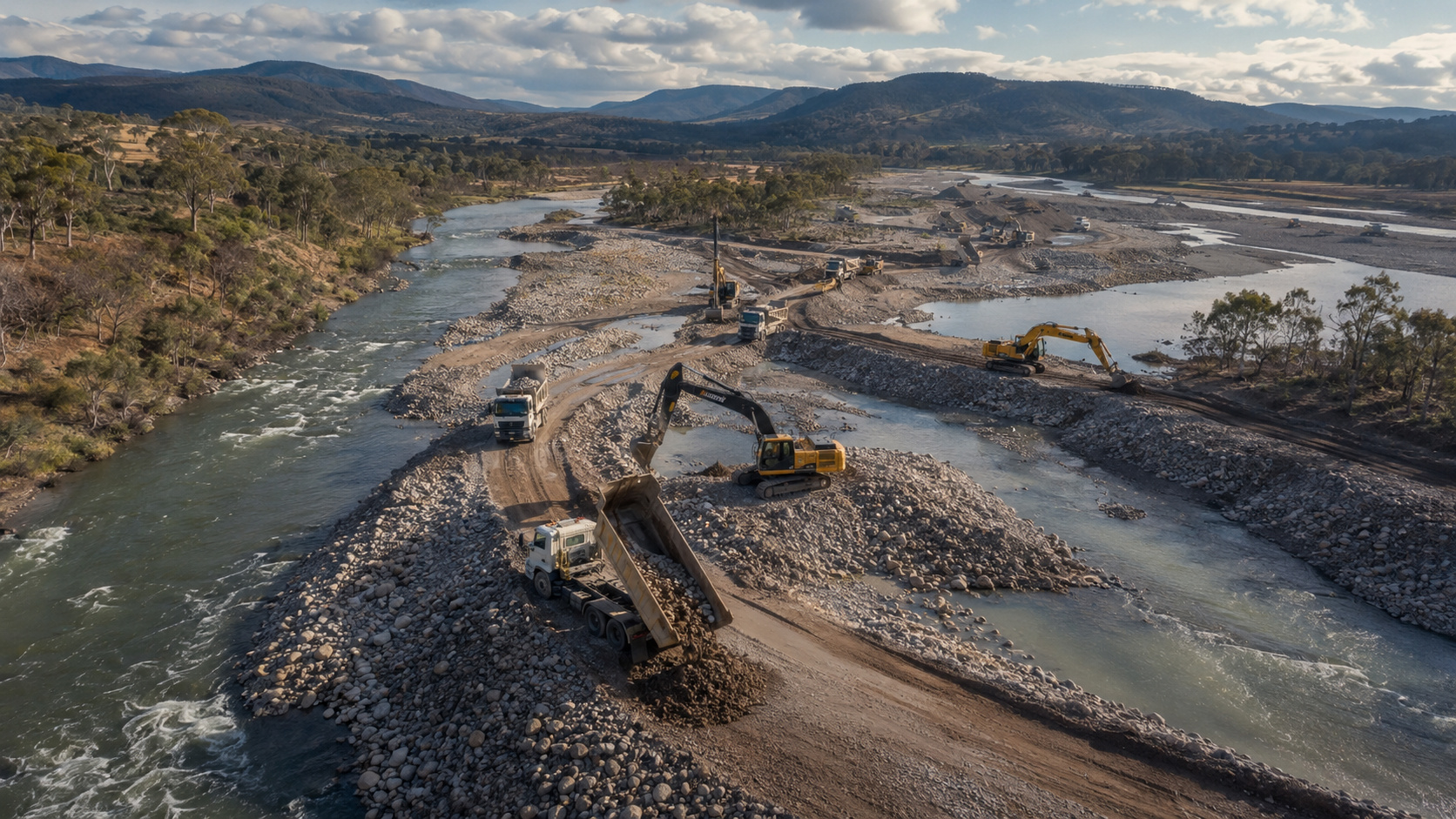
Brazilian scientists are simultaneously advancing two research projects on clean hydrogen and driving solutions that could transform the energy matrix, enhance industrial competitiveness, and accelerate large-scale emission reduction targets.

-
Advancement in renewable energy: A R$ 150 million project launched by Petrobras and Finep aims to create state-of-the-art electrolyzers for green hydrogen, strengthening national research and preparing Brazil to compete in a billion-dollar energy market.
-
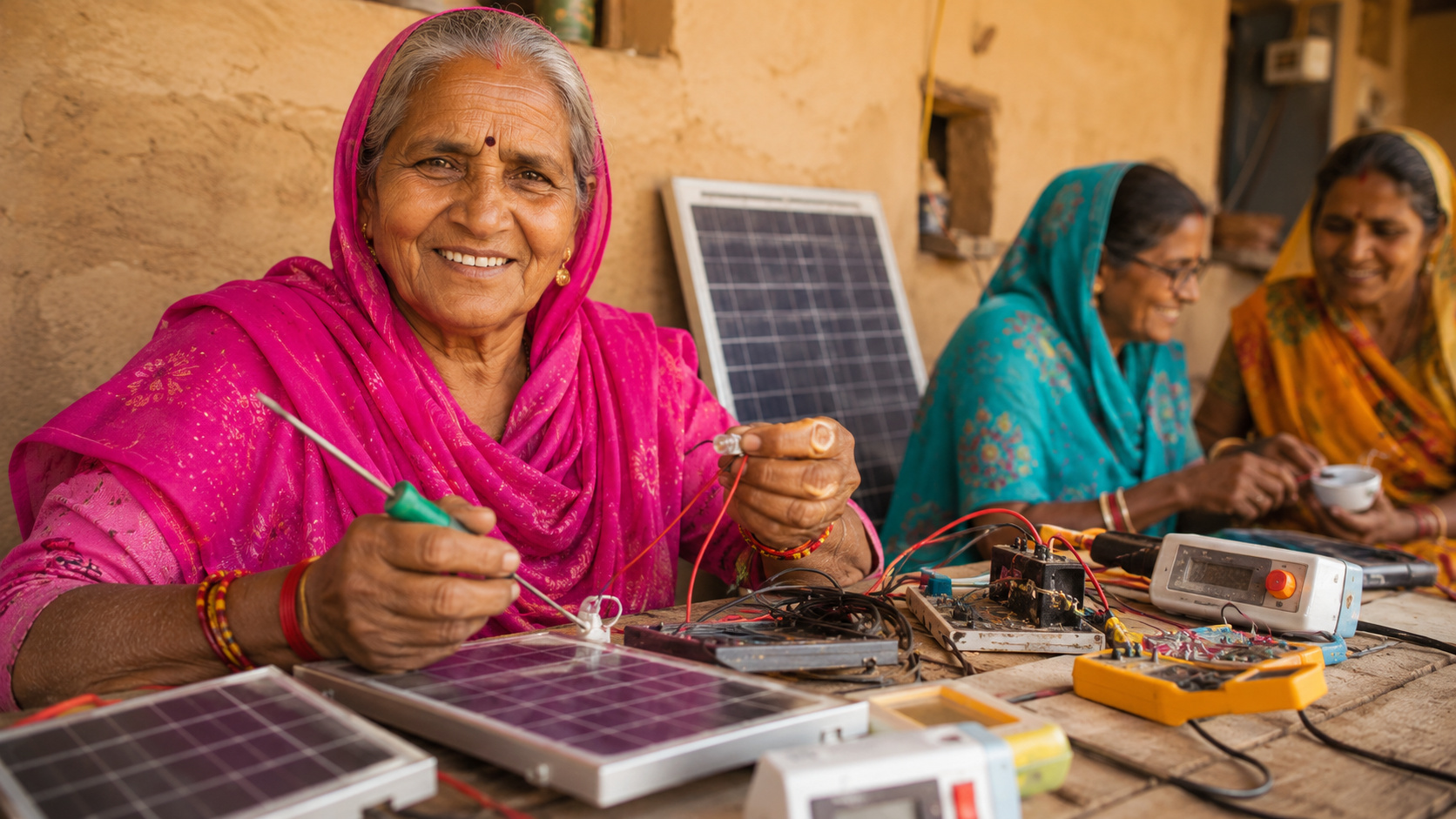
Illiterate or semi-literate grandmothers were trained to repair solar systems, open rural workshops, and light up homes that still depended on kerosene.
-
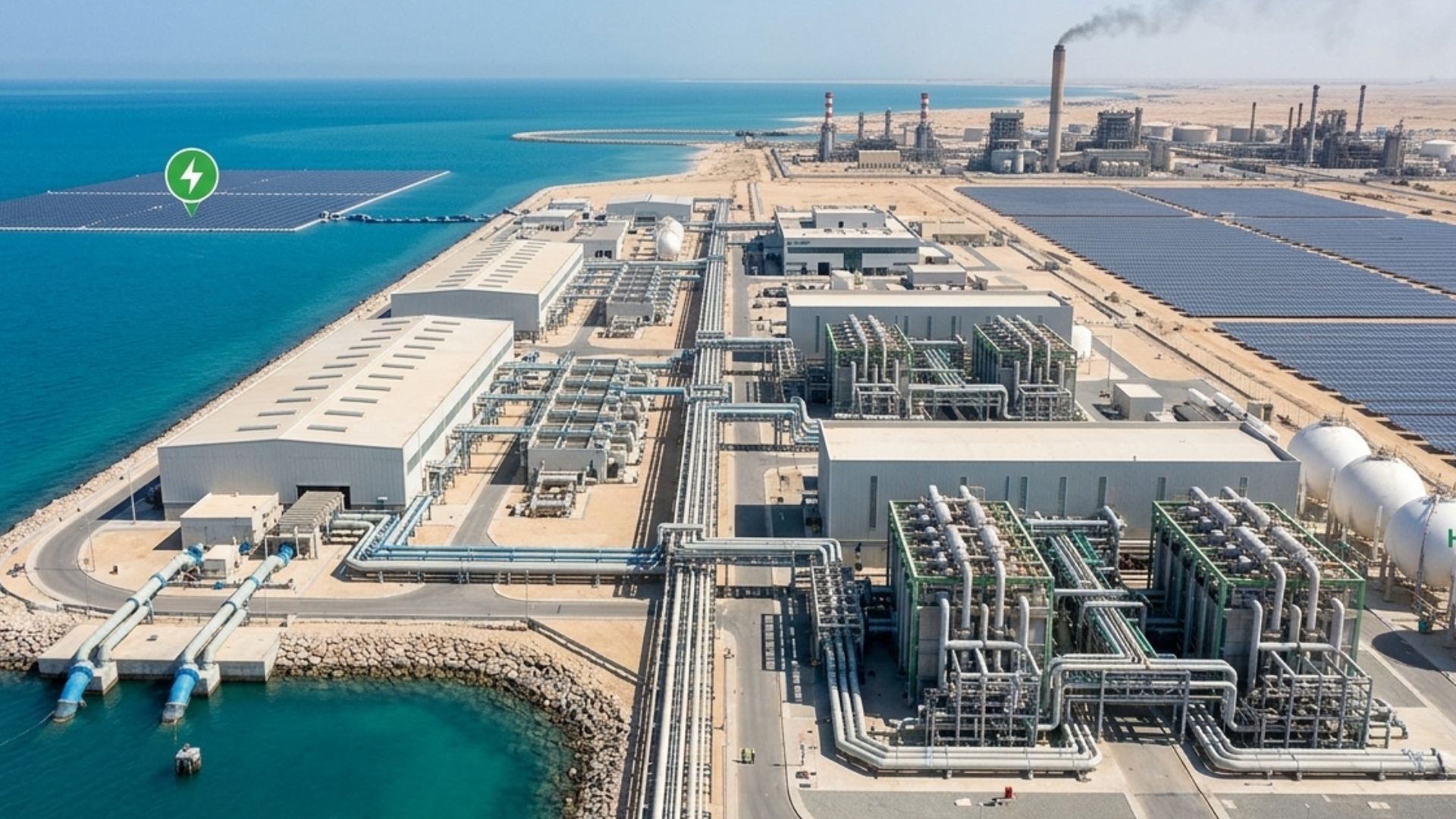
The world has bet on green hydrogen as the fuel of the future, but now faces the side effect: producing 1 kilogram requires about 9 liters of ultrapure water, and the largest projects on the planet are precisely in the driest regions of the Earth, where water is already scarce for people.



Moreover, renewable energy plays a fundamental role in reducing carbon emissions. By replacing polluting sources, it directly contributes to combating climate change.
According to experts and scientific studies, the transition to an energy matrix based on renewable sources is essential to limit global warming. Therefore, investing in clean energy is no longer a choice but a necessity.
The global growth of renewable energy
In recent years, the use of renewable energy has grown rapidly in various parts of the world. Developed and emerging countries have started to adopt public policies aimed at expanding these sources.
Furthermore, technological advances have significantly reduced the cost of producing solar and wind energy. As a result, these sources have become more accessible and competitive compared to traditional fuels.
According to the R7 website, renewable energy sources are at the center of global discussions precisely because they offer sustainable alternatives to meet the growing global energy demand. This scenario reinforces the importance of energy transition.
Main sources of renewable energy
Renewable energy can be generated from different sources, each with specific characteristics.
Solar energy, for example, uses sunlight to generate electricity. It is one of the fastest-growing sources in the world, due to its abundance and ease of installation.
Wind energy, on the other hand, harnesses the power of the wind to produce energy. In regions with high wind incidence, this technology is highly efficient.
Additionally, hydropower continues to be one of the main renewable sources, especially in countries like Brazil.
Other sources, such as biomass and geothermal energy, also contribute to diversifying the energy matrix.
Benefits of renewable energy for the environment
One of the main benefits of renewable energy is the reduction of environmental impacts. Unlike fossil fuels, these sources do not release large amounts of pollutants into the atmosphere.
Furthermore, renewable energy contributes to the preservation of natural resources, reducing the exploitation of oil, coal, and natural gas.
Another important point involves improving air quality. With less pollution, there is a positive impact on public health.
In this sense, the expansion of renewable energy represents a significant advancement in the pursuit of sustainability.

The role of renewable energy in the economy
Renewable energy also plays a relevant role in economic development. The sector has generated jobs in various areas, such as installation, maintenance, and research.
Moreover, investments in clean energy move billions of dollars worldwide. This drives innovation and strengthens the economy.
Another important benefit is the reduction of dependence on imported fuels. Countries that invest in renewable energy can increase their energy autonomy.
Thus, the energy transition brings both environmental and economic advantages.
Renewable energy and energy security
Energy security is another factor driving the growth of renewable energy. By diversifying energy sources, countries reduce risks associated with supply instability.
For example, geopolitical crises can affect oil and gas prices. However, renewable sources offer greater predictability.
Furthermore, distributed generation allows consumers to produce their own energy. This reduces dependence on large centralized systems.
In this context, renewable energy becomes essential to ensure stability and security of supply.
Challenges for the expansion of renewable energy
Despite advances, the expansion of renewable energy still faces significant challenges. One of the main ones involves the infrastructure needed to integrate these sources into the electrical system.
Furthermore, some sources, such as solar and wind, depend on climatic conditions. This requires energy storage solutions.
Another challenge involves the initial investment, which can be high. However, costs have been falling over time, making the technology more accessible.
It is also necessary to advance public policies and regulations that encourage the use of clean energy.
The role of innovation in renewable energy
Innovation has been fundamental to the growth of renewable energy. New technologies increase system efficiency and reduce costs.
For example, advances in batteries allow energy to be stored for later use. This solves one of the main challenges of intermittent generation.
Furthermore, the use of artificial intelligence and digitalization improves the management of energy systems.
In this scenario, innovation will continue to be one of the main drivers of the energy transition.
The future of renewable energy in the world
The prospects for renewable energy are extremely positive. The trend is for its share in the global energy matrix to continue growing.
According to experts, in the coming decades, most of the energy consumed in the world could come from renewable sources.
Furthermore, international agreements and climate targets should accelerate this process.
In this context, countries that invest in clean energy will be better prepared for the future.
The impact on society
The expansion of renewable energy brings direct benefits to society. In addition to reducing environmental impacts, it improves quality of life.
Job creation, cost reduction, and access to energy are some of the main gains.
Furthermore, isolated communities can benefit from local energy generation, increasing energy inclusion.
Therefore, renewable energy not only transforms the energy sector but also contributes to social development.


What this scenario represents for the planet
The advancement of renewable energy represents a significant shift in how the world deals with energy. It indicates a transition to a more sustainable and responsible model.
Furthermore, it reinforces the importance of global actions to address climate change.
Finally, the growth of renewable energy shows that it is possible to reconcile economic development with environmental preservation.
As investments increase and technologies evolve, the expectation is that renewable energy will continue to play a central role in building a more sustainable future for the planet.