Portuguese
  Spanish





Gifted Kenyan Boy Who Read at 18 Months Transformed Curiosity into Technical Aviation Knowledge, Received Mentorship from Institutions, and Gained International Recognition as Proof of How Talent, Support, and Opportunity Change Paths
The story of a gifted boy who started reading at 18 months and, a few years later, confidently explained aerodynamic principles to adults highlights a rare but possible path when predisposition meets the right environment. The journey of Elias Muthomi Gitonga from Kenya shows how early curiosity, methodically directed, can accelerate learning to the point of shortening academic stages and bringing a child close to the technical level of professionals.
The case gained prominence by combining unconventional erudition with a focus on a highly complex domain: aviation. Elias moved from a domestic phenomenon to the international stage when he received global recognition in 2022. The combination of innate talent, family support, and institutional opportunities helps explain why his evolution has not stagnated but, on the contrary, deepens over time.
Who Is Elias and Why Does His Journey Matter
Elias is a gifted boy from Kenya whose spontaneous literacy emerged before he was two, without formal schooling.
-
Mother discovers she may have won £12 million in the lottery but faces an agonizing wait after the shopkeeper threw the ticket in the trash.

-
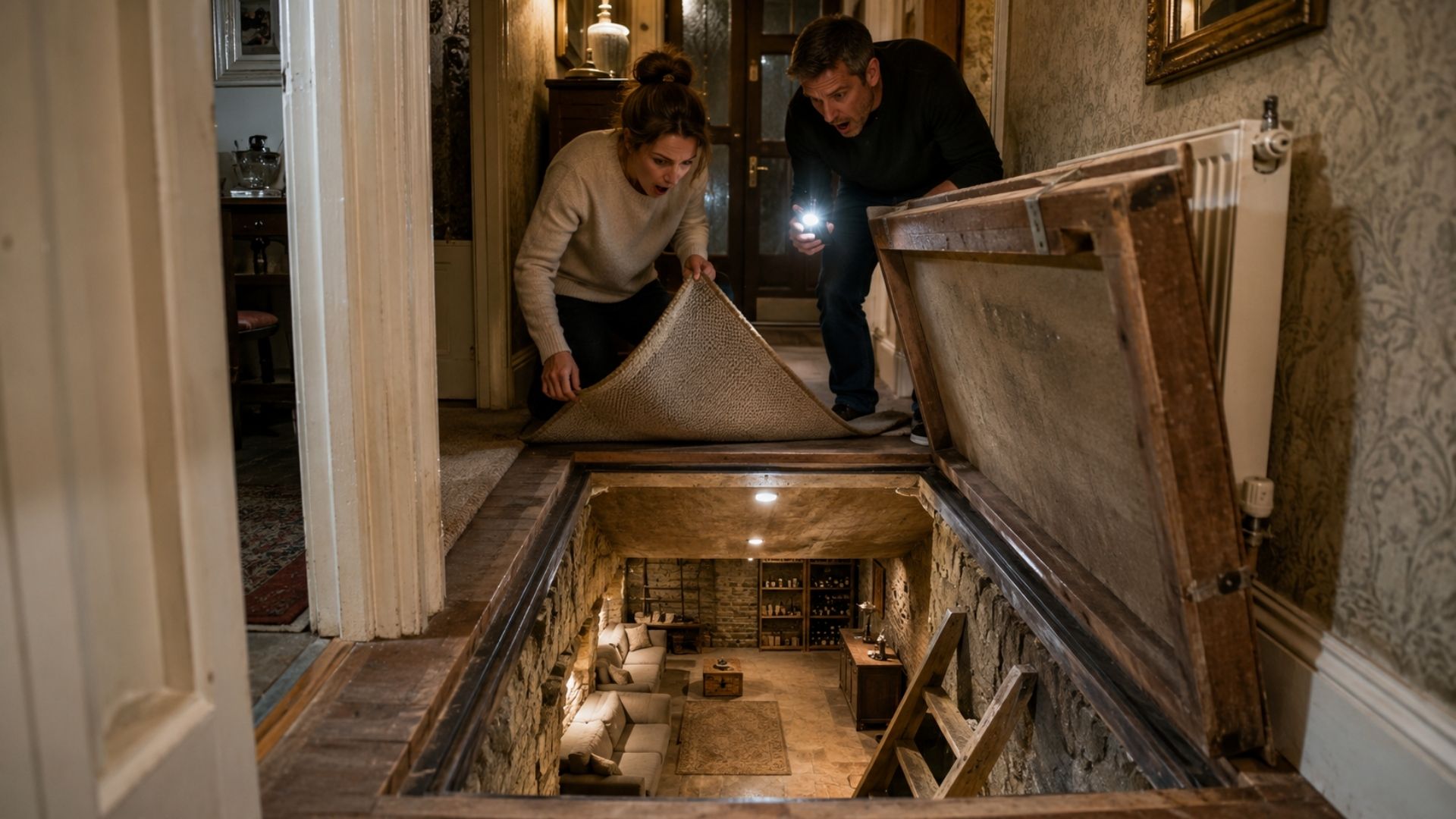
A couple bought a house in Sheffield and, when removing the carpet from the hallway, found a trapdoor leading to a secret 23 m² basement with a 2-meter ceiling height, a discovery that eliminated the need for an expensive extension and, according to them, added £70,000 to the property’s value.

-
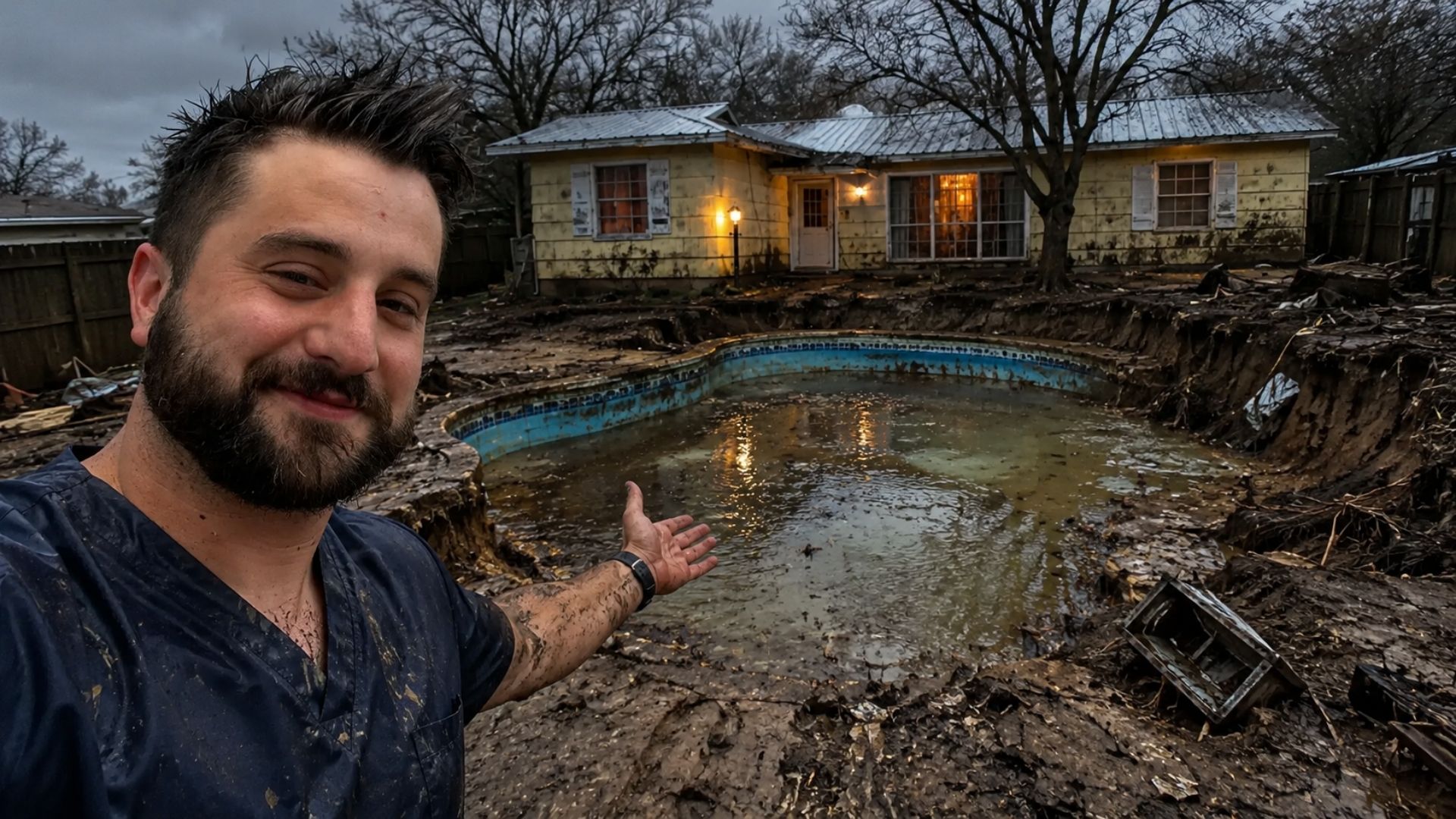
A nurse bought for 20,000 a 1955 house abandoned by a hoarder in Texas, and months later, rain revealed a buried pool in the backyard valued at $160,000, which he restored himself for about $10,000, a fraction of the cost of building a new one.
-
The United Kingdom is transforming dog feces left on trails into gas to light a streetlamp through an unlikely and surprising project that shows how even one of the most rejected wastes in cities can generate energy.


By the age of three, he was already reading fluently and demonstrating exceptional working memory, recognizing names, symbols, and complex information.
The relevance of the case lies in the technical nature of his central interest: airplanes and helicopters.
From a very early age, Elias migrated from curiosity about images to understanding systems, parts, and physical principles, a qualitative leap that differentiates circumstantial prodigies from sustained paths of specialization.
From Reading at 18 Months to Engineering Language
The milestone of 18 months indicates a rare acceleration of linguistic development.
Subsequently, reading ceased to be an end and became a research tool, expanding his technical vocabulary and conceptual repertoire.
This advancement was solidified when Elias began to explain flight phenomena, identify aircraft by model and function, and articulate concepts such as airflow and lift.
It was not repetition of terms, but coherent interpretation, a sign that understanding surpassed memorization.
Where Talent Found Opportunities: Family, Universities, and Defense Forces
The first filter was domestic: his parents organized stimuli, embraced his atypical pace, and sought guidance.
Next, Kenyan institutions opened doors, offering practical experiences in air bases and dialogue with engineers.
Universities and sector organizations created environments for observation and mentorship.
This early contact with specialists not only validated the boy’s abilities but also accelerated conceptual refinement, a crucial step in transforming aptitude into mastery.
Why Aviation: When Cognitive Profile Matches a Complex Domain
Aviation requires visuospatial reasoning, systems thinking, and terminological precision.
These requirements directly align with Elias’s profile: high retention capacity, information organization, and prolonged focus.
The alignment between cognitive architecture and field demands explains the speed of progress.
When the challenge matches the talent, engagement grows, and learning gains traction, reducing the risk of demotivation typical of students who are not exposed to appropriate levels of complexity.
Global Recognition: The Award That Became a Showcase and Responsibility
The turning point came with an international award in 2022, which put the gifted boy in the spotlight of childhood talents worldwide.
The global seal increased visibility, attracted new support networks, and formalized his status as a reference on the subject.
This recognition also brought responsibility: to communicate knowledge accessibly, maintain a study routine, and balance public exposure with emotional development.
The title solidifies but does not end the journey; it opens new demands for quality and consistency.
How Much and How to Advance: From Media Phenomenon to Technical Content Producer
The “how much” here is measurable in depth and autonomy.
Elias evolved from an early reader to a technical communicator, able to organize content about engines, wings, and flight stability in clear language for a broad audience.
The “how” involves method and deliberate practice: selecting sources, testing explanations, reviewing concepts, and, above all, receiving feedback from specialists.
This continuous improvement circuit transforms individual brilliance into replicable competence.
Real Challenges: School, Peers, and Socioemotional Development
Accelerated development creates asymmetries with peers of the same age.
Therefore, it is crucial to balance cognitive demands with socialization experiences, leisure, and sports, preserving the playful nature of childhood.
Another sensitive point is learning to fail.
Children who succeed very early need environments where failure is part of the process, not a threat to identity.
Resilience, planning, and autonomy become just as important as IQ.
What Governments and Schools Can Do Based on This Case
Cases like Elias’s suggest specific public policies for giftedness: early identification, personalized pathways, inter-institutional mentorship, and access to laboratories and research centers.
Regular schools can adopt curricular enrichment, selective acceleration, and partnerships with universities.
Teacher training in identifying and managing giftedness is key to ensuring that talents are not lost due to lack of adequate stimulation.
The journey of the gifted boy who read at 18 months, became a reference in aviation, and received a global award encapsulates a simple yet powerful thesis: talent needs direction, support, and opportunity.
When these three vectors meet, the result transcends the individual and inspires entire systems to reform.
If you could offer a single opportunity to a gifted boy like Elias, what would be more decisive: mentorship with specialists, access to laboratories, or a personalized school curriculum?