Portuguese
  Spanish


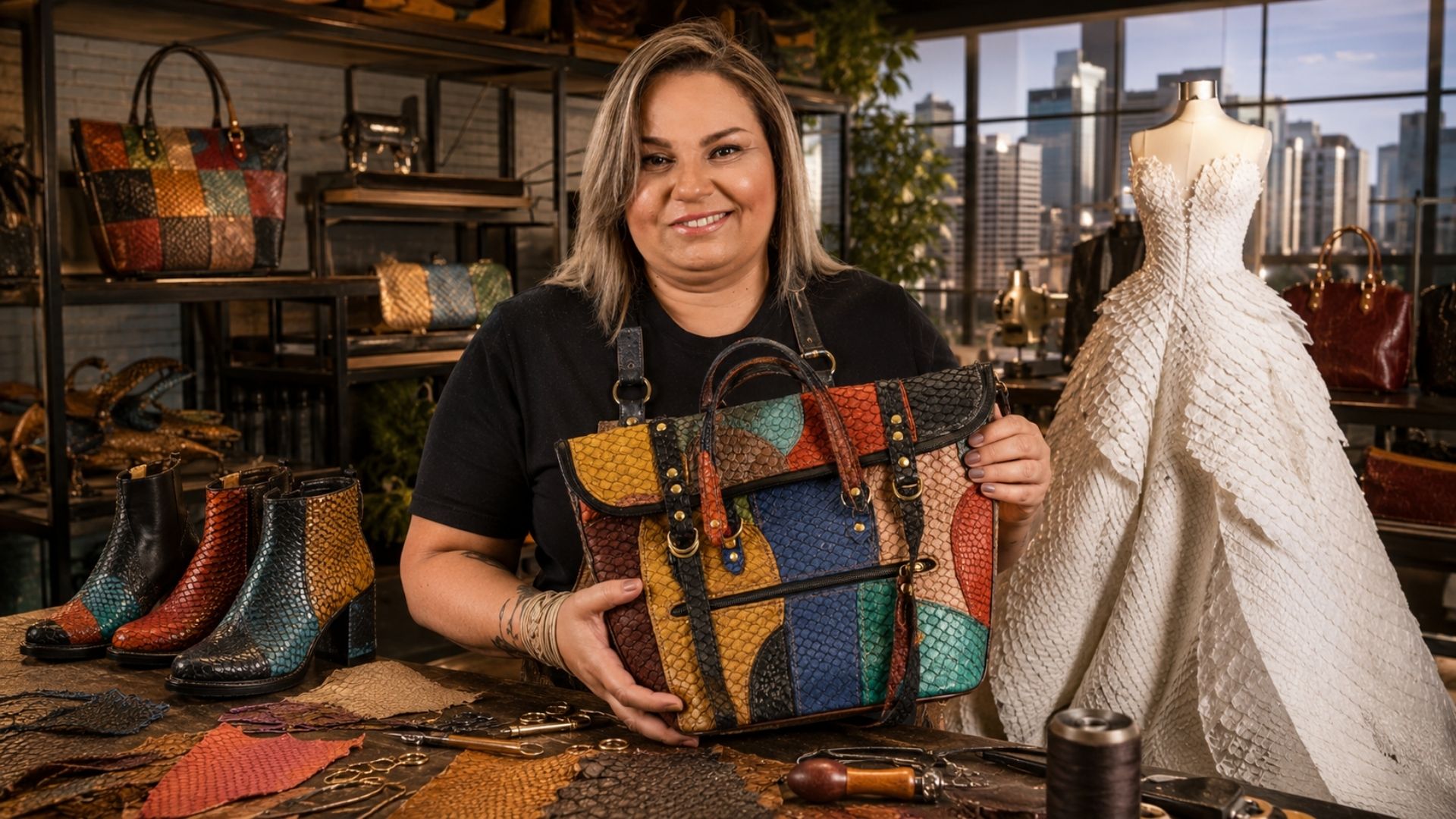

Amanda Hoch, 45, is known as the “queen of tilapia leather in Brazil”. From the fourth generation of a family of tanners, she founded Tilapia Leather and transformed tilapia skin, once discarded, into fine leather that adorns bags, shoes, and even a wedding dress.
What most slaughterhouses throw away, she turned into high-value fashion. In Andradina, in the interior of São Paulo, the zootechnician Amanda Hoch, 45, built an entire business on tilapia skin, that fish leftover that usually goes straight to the trash. According to information from the portal SouCatarina, leading Tilapia Leather, the company she founded in 2018, she is now known in the country and abroad as the “queen of tilapia leather in Brazil”.
The bet translates into concrete numbers: the tannery produces about 2,000 pieces per month and exports the material to seven countries: United States, Canada, Australia, England, Russia, Italy, and Hong Kong. In the hands of Amanda and dozens of partner artists, the fish residue becomes bags, wallets, shoes, bio-jewelry, and even a wedding dress.
From tanner’s daughter to “queen of tilapia leather”
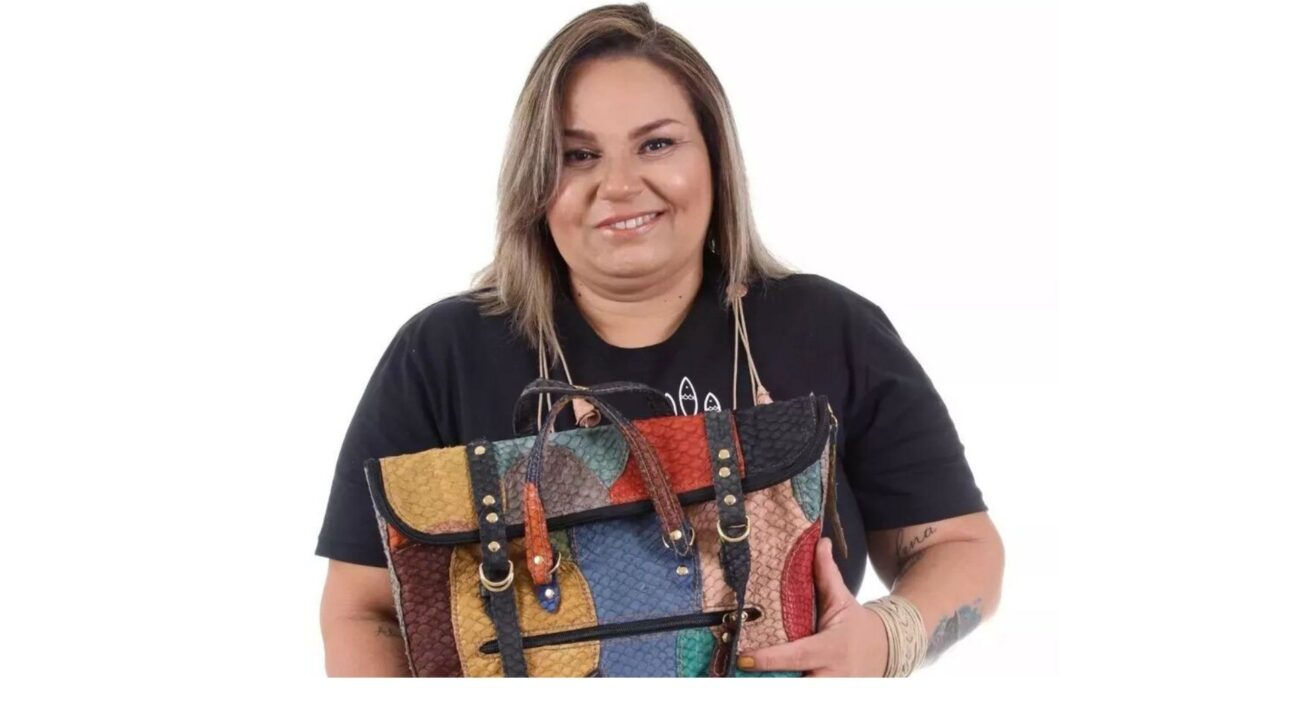
The story begins far from São Paulo. From Rio Grande do Sul, Amanda is the daughter, granddaughter, and great-granddaughter of tanners, a family that has worked with the art of tanning since 1929. In 2004, encouraged by her father, Eliseu Hoch, she went to study exotic skin tanning at the State University of Maringá (PR), where she worked as a scientific collaborator until 2008. Today, she documents the artisanal process on Tilapia Leather’s profile, which gathers the step-by-step of the craft and the final pieces.
-
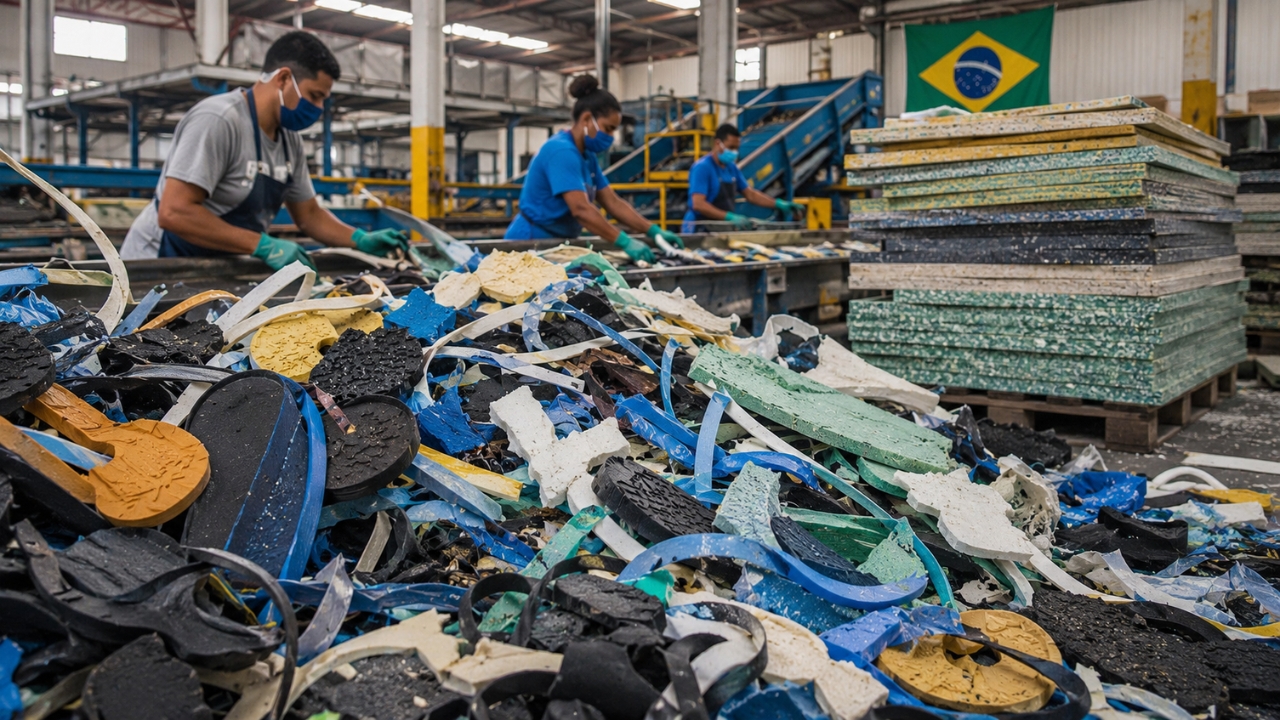
The industrial waste that even recyclers didn’t want has gained value in the interior of Bahia: two entrepreneurs invested R$ 2.8 million to transform 350 tons per year of foam, rubber, and plastic into boards that can replace wood and MDF.

-
What is a red flashlight used for, after all? See why it is so commonly used at night.

-
He has never read a line of code, but he already knows how to work: the French company UMA presented in Paris the Northstar, its first AI-powered humanoid robot designed for factories and warehouses, capable of copying tasks just by observing an employee in action.

-
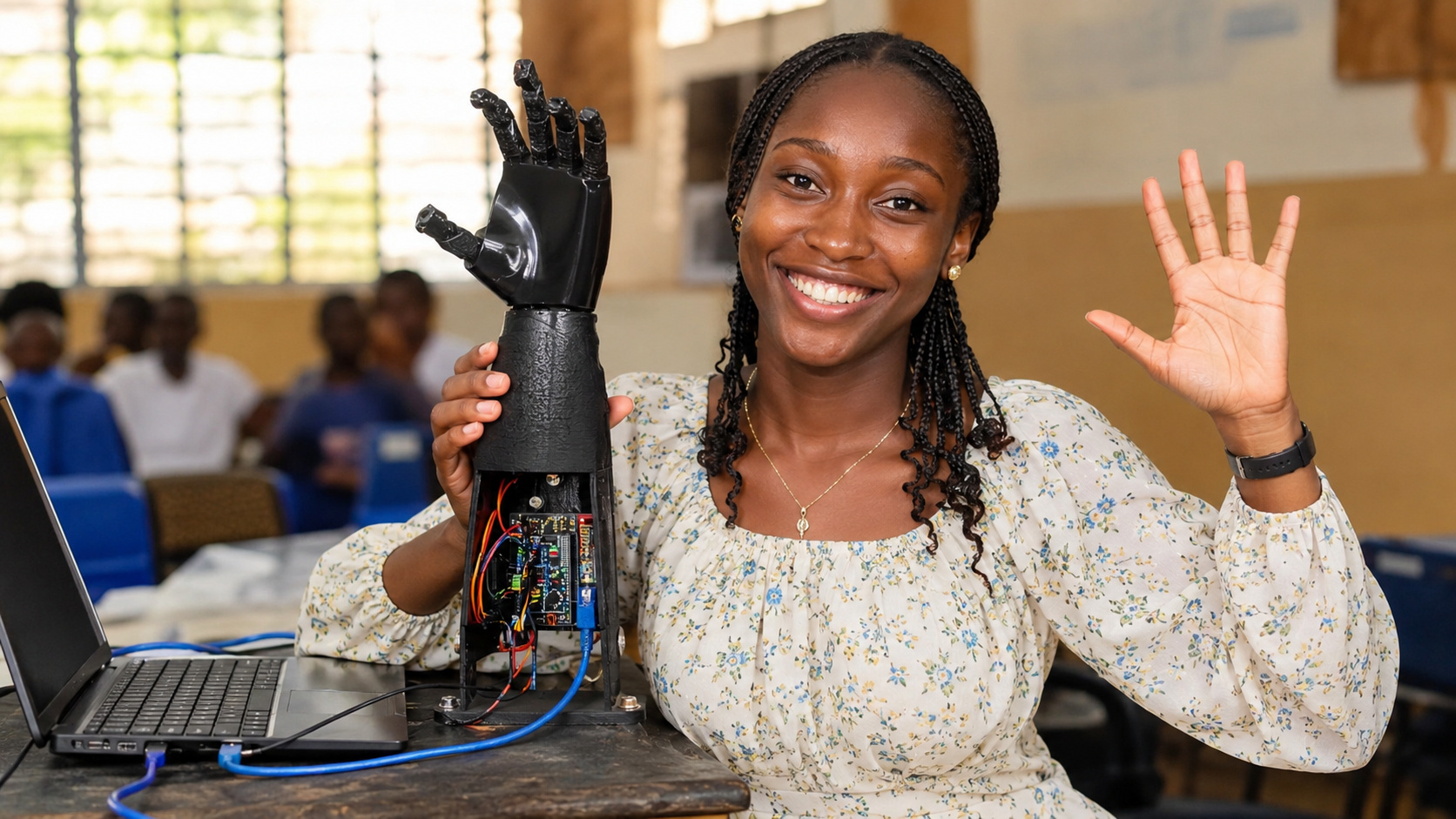
A young Kenyan engineer collects plastic waste from the streets and transforms it into robots that translate physics lessons into sign language in real-time, a machine made with old bottles that teaches what was missing to deaf children left out of science.


The choice, however, was not immediate. Accustomed to the family tradition of processing only large animal skins, such as cattle and buffalo, Amanda hesitated at first. The turning point came from a phrase from her father, which she keeps to this day: “Amanda, tilapia leather is the future.” Years later, the bet paid off, and she became the only woman of the fourth generation in the family to master the tanning of exotic skins.
From Slaughterhouse Waste to Noble Leather: How the Process Works
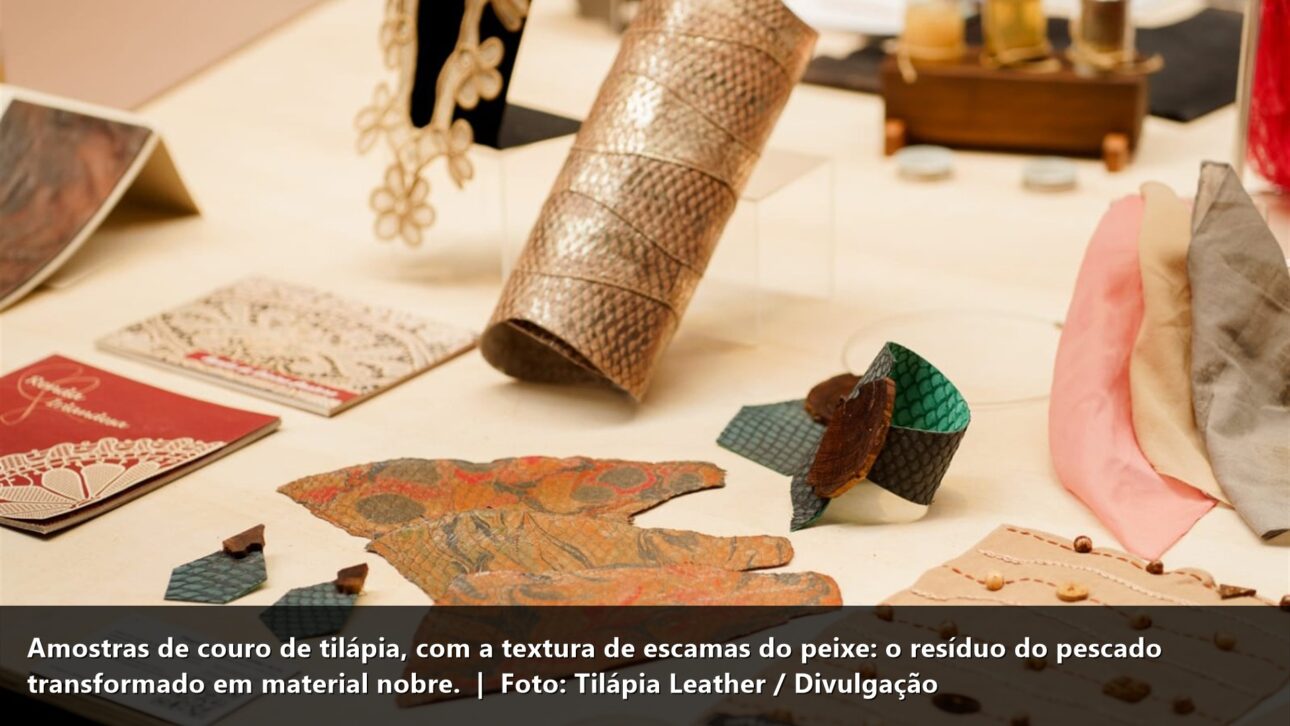
Tilapia leather samples (scales) — Tilapia Leather/DisclosureTransforming tilapia skin into luxury leather is a slow and artisanal job. Through the exclusive method of the Hoch Family, each tanning process takes, on average, 15 days and goes through three major stages: cleaning, tanning, and finishing.
The result can gain natural pigmentation, receive a layer of carnauba wax, or a metallic effect, depending on the piece to be created.
The leather that emerges surprises those who expect fragility. According to the producer, tilapia skin is about three times more resistant than bovine leather, with the advantage of adding value to a material that would otherwise simply be discarded. It’s no wonder that the former waste has become a noble raw material for clothing, bags, wallets, footwear, decoration, and bio-jewelry.
Wedding Dress, Schutz Sandal, and Seven Countries on the Map
The versatility opened surprising doors. In 2019, at the Aquishow Brazil fair, Amanda presented the country’s first wedding dress made of tilapia leather.
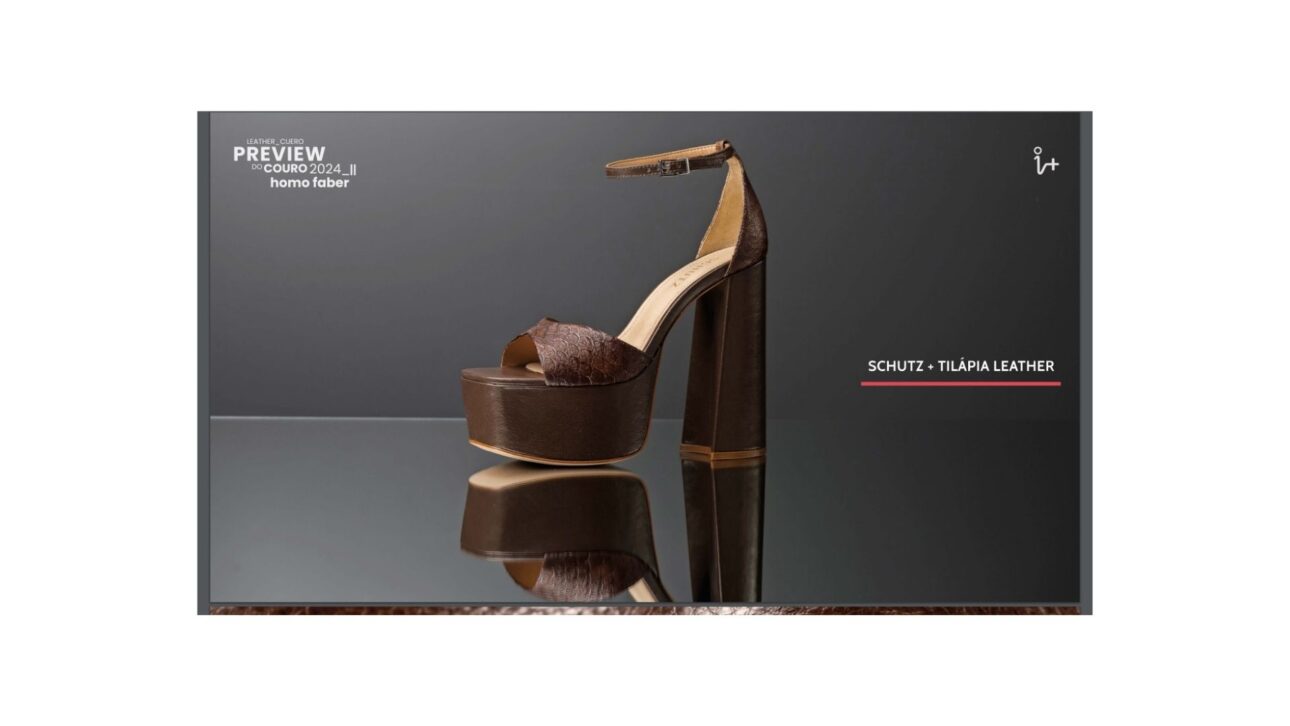
More recently, Tilapia Leather partnered with the footwear brand Schutz, resulting in a tilapia leather sandal in earthy tones that gained international circulation.
The reach also expanded on the map. Today, the brand exports to seven countries and gathers about 50 artists who work with leather in Brazil and abroad.
All production comes from Andradina, where the company maintains an average of 2,000 pieces per month, an impressive volume for a material that, a few years ago, was seen only as slaughterhouse waste.
Female Entrepreneurship and Sustainability in Fish Leather
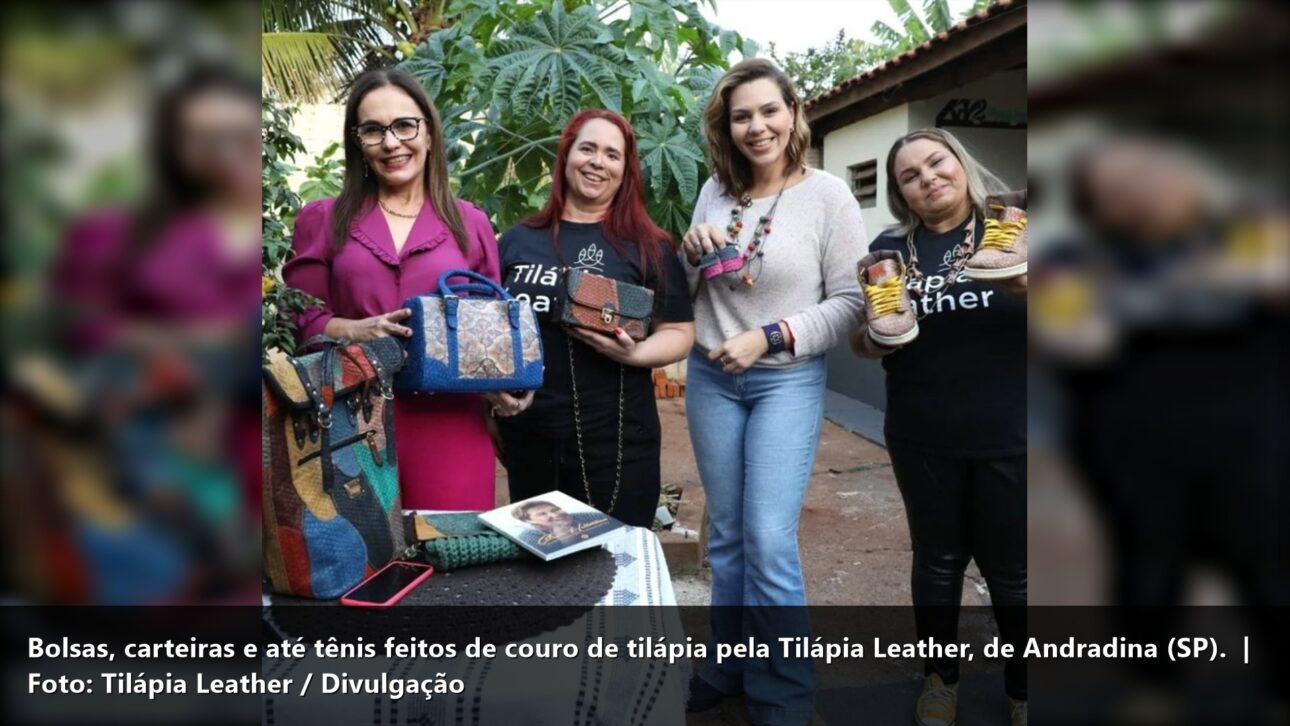
Tilapia leather samples (scales) — Tilapia Leather/DisclosureThe business was born with clear flags. Amanda defines Tilapia Leather as “ESG at its core,” attentive to environmental, social, and governance criteria, and says it aligns production with several of the UN’s 17 Sustainable Development Goals from gender equality to responsible production and consumption. The company was built with a predominantly female team.
Recognition came in awards and industry showcases. Among them, the bronze at the Sebrae-SP Business Women Award in 2022, presented at one of the world’s largest entrepreneurship fairs.
“It was the turning point of my career,” Amanda summarizes, who is openly LGBT and makes a point of talking about representation in agribusiness.
A promise to her grandfather and a message to entrepreneurs
Behind the company, there is a personal motivation. Amanda says she promised her grandfather, Alcido Hoch, shortly before he died, that she would take the family’s legacy “to the four corners of the Earth” while she was alive. It is this promise that keeps her firm with a product still little known to the general public and which she describes as a kind of “alchemy,” where each piece comes out unique and unrepeatable.
The tanner often turns her own journey into encouragement for other women. “Every journey has pain, but when you find your place on this road, you begin to see your value in people’s lives,” she says.
For her, the secret is not to give up: remember where you came from, resist, and see value in your own work, even if the raw material literally started as waste thrown in the trash.
From waste that would end up in the trash to runways and showcases in seven countries, the tilapia skin has become a symbol of innovation, sustainability, and female entrepreneurship in Brazil. It is proof that value can be born precisely where no one was looking.
Would you buy a bag, a shoe, or a bio-jewel made of tilapia leather or do you still turn up your nose at the idea of wearing “fish leather”? Tell us here in the comments.