






 Portuguese
  Spanish


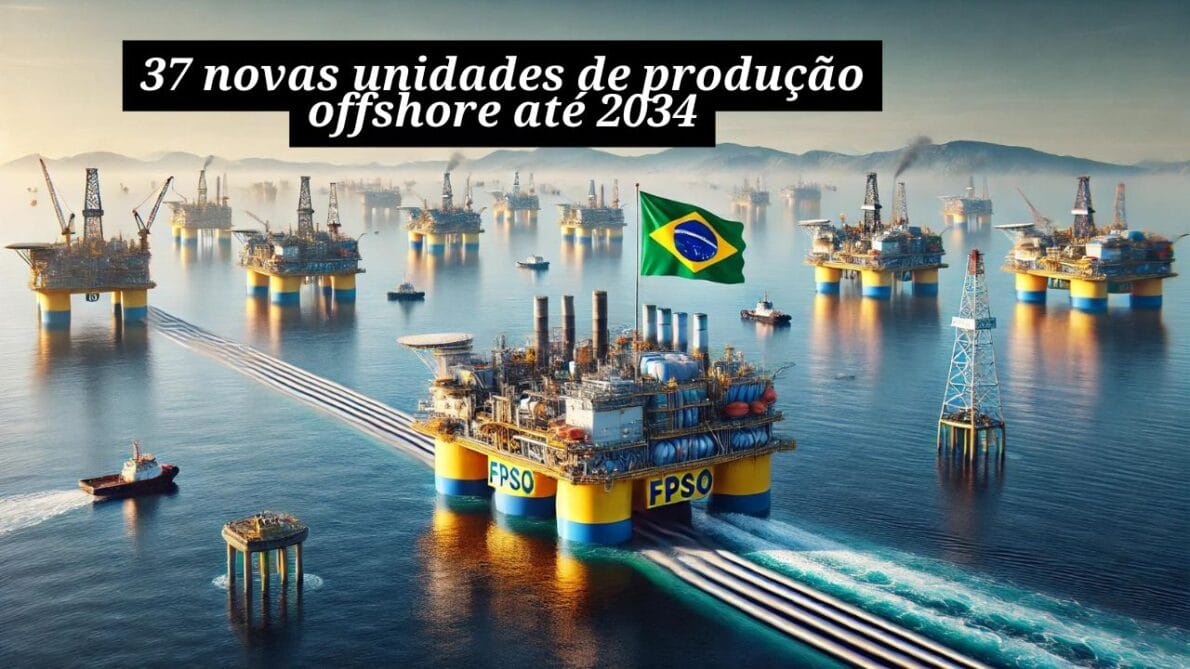

Brazilian Offshore Market Attracts Giant Investments From Castrol and Promises to Revolutionize the Sector. British Company Forecasts Strong Growth With Increase in FPSO Fleet and Innovations in Environmentally Responsible Products.
The lubricants company Castrol, part of the British oil giant BP, expresses an optimistic outlook for the brazilian offshore market. With the forecast of installing dozens of FPSOs (Floating Production Storage and Offloading) in the next ten years, the company is ready to capitalize on the growing demand for subsea equipment, as revealed by Rafael Clemente, strategic accounts manager.
37 New Offshore Production Units Could Start By 2034
Brazil, known for its vast reserves in deep waters, expects a significant increase in its FPSO fleet. Clemente estimates that “up to 37 new offshore production units could start by 2034, which would represent about 20% of the global market for new FPSOs.”
In addition to expanding its fleet, Castrol is attentive to environmental requirements and the market for sustainable products. “One example of our commitment to sustainability is the line of subsea control fluids with carbon-neutral credentials, along with our growing offer of biodegradable lubricants,” explains Clemente. These products are essential for the operation of FPSOs, being used in hydraulic systems that operate equipment on the seabed.
-
Petrobras to Double Natural Gas Supply in Northeastern Brazil with New Investment

-
Petrobras Approves $1.2 Billion Refinery in Brazil to Produce Aviation Fuel and Diesel from Plants
-
Petrobras Secures $2.2 Billion Contract to Build and Operate Four Support Vessels for Brazil’s Offshore Oil Fields
-
Oil production grows in Rio, but reserve replacement raises a warning sign



Continuous Expansion of the Maritime Market
The company not only supplies offshore drilling platforms but also support vessels. “We recently signed a large supply contract for drilling rigs, which demonstrates the continuous expansion of the maritime market,” details Clemente. The executive also mentioned future plans that include the installation of more than 200 subsea trees by 2028, each associated with an oil well.
This optimism from Castrol reflects not only the growth opportunities in Brazil but also a recognition of the market’s diversification, with new investors and operators entering the sector. The company’s strategy to invest in both expansion and sustainability positions Castrol advantageously in the competitive landscape of the offshore exploration market.
And you, do you believe that the brazilian offshore market will really revolutionize the sector with these investments? Share your opinion in the comments!


Deus Abençoe essa Estatal