Portuguese
  Spanish


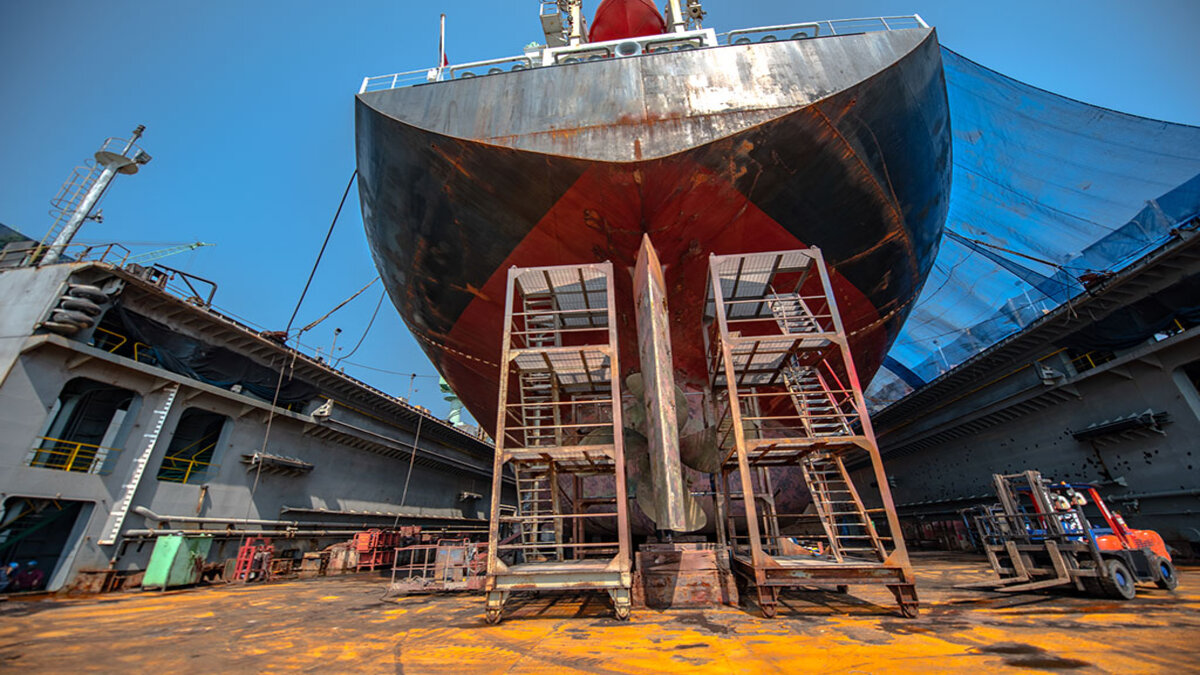

Aiming to Expand the Market for Exporting Goods in the National Port Sector, the New Drawback Regime Measures in Brazil, Modified by the Ministry of Economy, Flexibilize the Production of Vessels for the International Market.
The Federal Government and the Ministry of Economy are jointly seeking to intensively expand the export market for products and goods in the national port sector. In this way, some changes were made to the drawback regime in the segment as a way to stimulate the production of vessels for export in the country, flexibilizing some criteria that previously hindered significant growth in the port sector.
Drawback Regime for the Production of Export Vessels in the Country Is Modified by the Ministry of Economy to Bring New Incentives to the National Port Market
The Federal Government, through the Ministry of Economy, announced last Thursday some changes to the drawback regime in the national port market. The drawback is a special customs regime in which the collection of taxes is suspended or eliminated when inputs are acquired for the manufacturing of goods intended for the foreign market.
Thus, with the changes, there will be new incentives for the production of vessels aimed at exporting goods in the country.
-
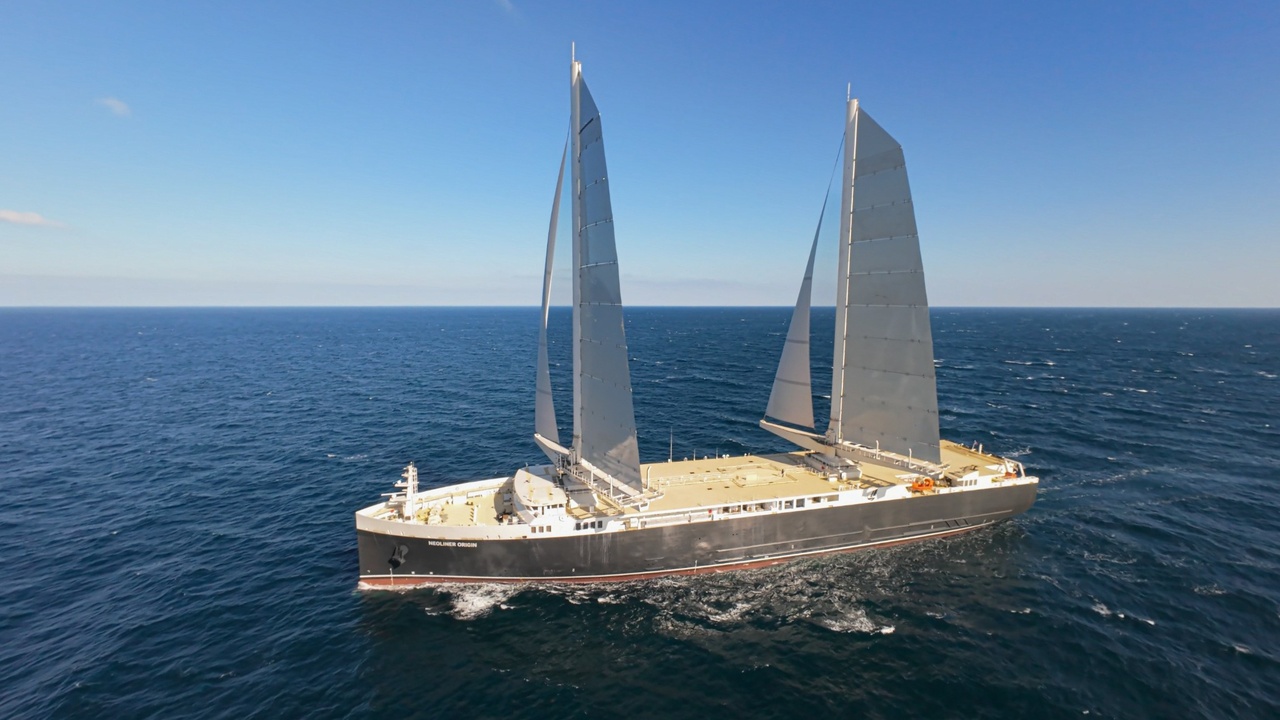
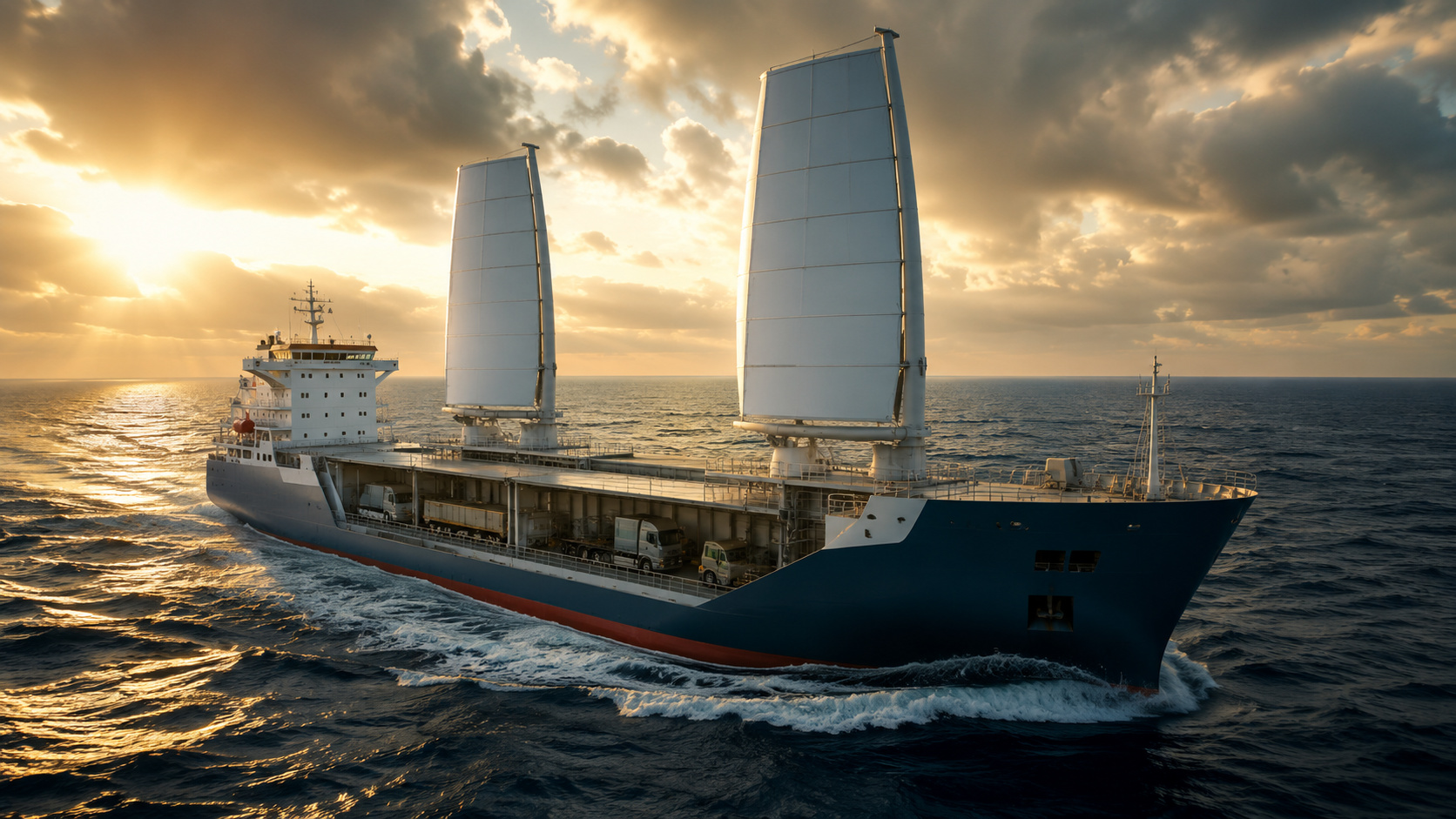
With two giant sails instead of relying solely on the engine, a modern cargo ship crosses the Atlantic carrying cars, forklifts, and goods to test less diesel in maritime transport.

-
They exchanged the idea of a large house for a 35 m² warehouse, spent US$ 12,000 on the structure, and created a tiny house in Colorado with space to live and work.

-
With two giant sails instead of relying solely on the engine, a modern cargo ship crosses the Atlantic carrying cars, forklifts, and goods to test using less diesel in maritime transport.
-
While modern cities rely on pumps and electricity, in Iran, ancient tunnels carried water through the desert using only slope and gravity.

This is a significant move by the Ministry of Economy in the national port sector to positively encourage export activities, which accounted for over US$ 61 billion in sales last year, according to the federal government’s department.
Among the main changes in the drawback regime for the production of vessels is the possibility for a vessel, both for the naval segment and for recreational purposes, to be produced using the drawback regime even if the manufacturer does not have a defined buyer.
Before the change made by the drawback department, a copy of the industrialization contract was required to confirm that it would be an operation under this production regime.
In this way, the Ministry of Economy states that the products can be offered to the market practically ready for delivery, which tends to contribute to the dynamism of the local industry and services linked to tourism in the national territory. Thus, the Federal Government continues to attract investments and boosts to the Brazilian economy in the coming years.
Ministry of Economy Emphasizes That Changes in Drawback Will Not Harm Export Operations in Brazil
In addition to strongly contributing to the execution of international operations in Brazilian ports, the changes in the drawback regime will not harm the production of export vessels. There will also be no negative impact regarding the controls currently exercised by the Department of Foreign Trade (Secex), since the sale of the vessel must occur within a previously established timeframe, and the operation will need to pass the verification of a legal body.
Another important point in the changes to the drawback for the production of export vessels is the requirements previously made to exporting trading companies that use the drawback suspension regime, and now they will have the same treatment as trading companies.
“To finalize the regime, in these cases, it will only be necessary to link the drawback concession act to the fiscal document sent by the industry to the exporting trading company, regarding the shipment of the goods,” informs the Ministry of Economy in a statement published in the Official Federal Gazette (DOU) last Thursday.
Now, with the new changes in the drawback regime in the Brazilian port and naval sector, the Ministry of Economy and the Federal Government hope that the vessel production market for export can grow significantly over the coming months.