Portuguese
  Spanish


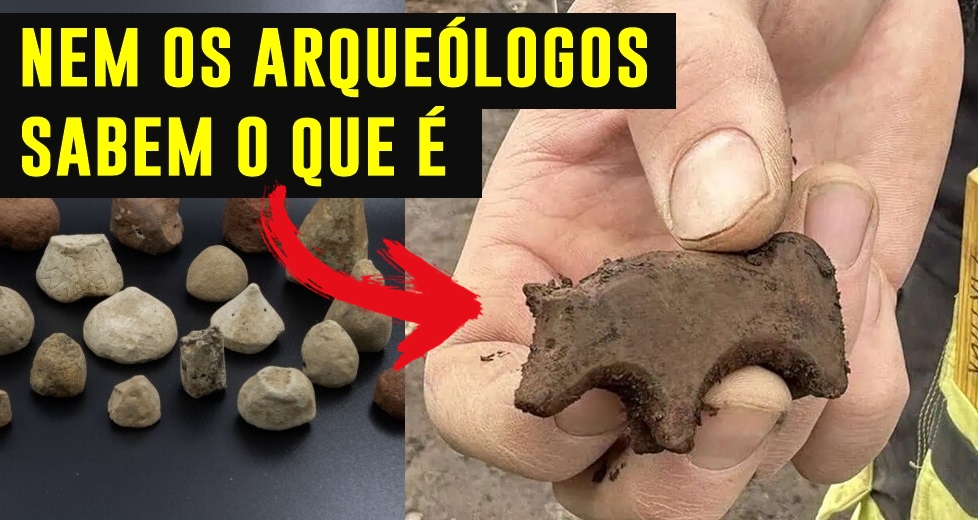

An Intriguing Viking Toy Was Discovered by Archaeologists, but So Far Nobody Has Been Able to Identify the Animal It Represents. Will the Mystery Be Solved?
A recent archaeological discovery in Iceland is intriguing experts and lovers of Viking history. During excavations at the Fjörður farm, located in Seydisfjordur, an animal figure made of volcanic rocks was unearthed, dating back over 1,000 years.
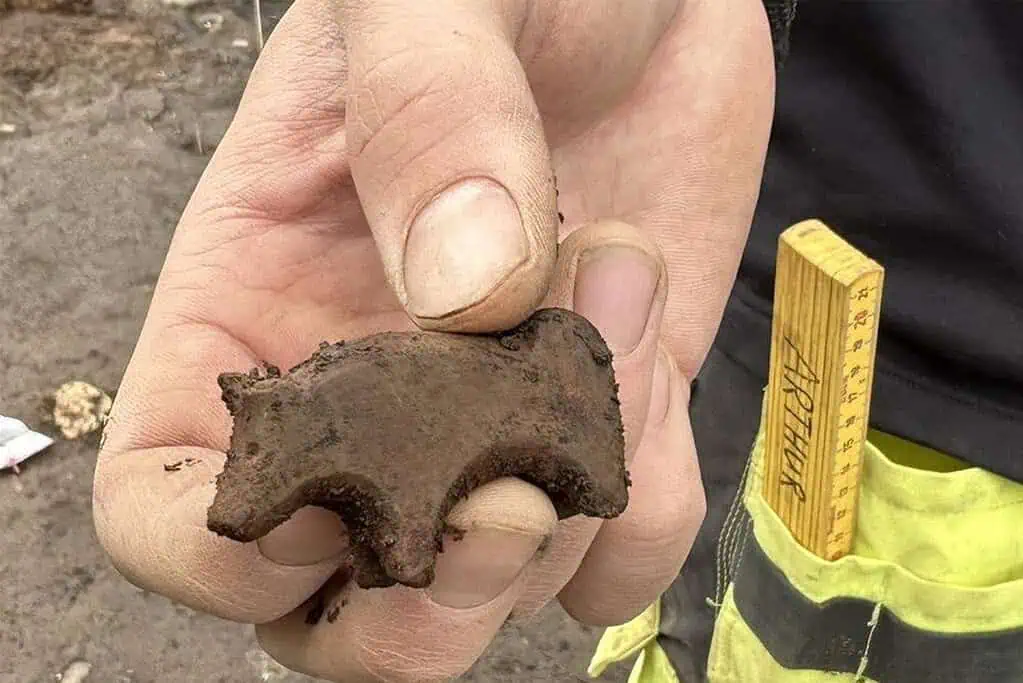
The mystery surrounding this piece is that, even after careful analysis, archaeologists cannot determine which animal the object represents. The figure, which appears to be a Viking-era toy, exhibits characteristics that could be associated with a pig, a bear, or even an Icelandic dog.
Measuring just 5 cm in length and 2.7 cm in height, the small artifact has generated significant attention among specialists. Over the past five years, the excavation site of Fjörður has proven to be a true treasure trove of ancient artifacts.
-
From Hotel Porter to CEO: Brazilian Entrepreneur Leads Travel Agency Serving Major Brands and Generating $270 Million in Revenue

-
From Selling Cleaning Products in Vans to Over 300 Franchises: Entrepreneur Targets $30 Million by Expanding into Professional Cleaning Services and Laundries

-
China Constructs 5.1 km Undersea Highway in Dalian Bay, Reducing Travel Time from 1 Hour to 5 Minutes
-
Massive Transporters Otto and Lore Move ALMA Radio Telescope in Chile’s Atacama Desert



The project, initiated as a preventive measure before the construction of an avalanche barrier, has now extended over five years and revealed more than 4,000 artifacts, including the intriguing animal toy.
Dispute Among Experts
Initially, most archaeologists believed that the figure represented a pig. Vikings domesticated pigs, making this assumption quite logical. However, two of the researchers involved in the project disagreed, suggesting that the object might actually be a bear.
Although Iceland does not have native bears, polar bears from Greenland occasionally visited the country and could have been a source of fascination for Viking children.
To try to resolve the issue, researchers developed a 3D model of the toy and shared images of it on social media. The public response brought forth a new possibility: many internet users believed the figure represented an Icelandic dog, a native animal of the region with a long history of domestication.
However, not everyone is convinced of this new theory. Ragnheiður Traustadóttir, one of the researchers involved, commented that, when holding the object, it does not resemble a dog.
Still, she acknowledges that opinions are divided and that the mystery remains open. What makes the analysis even more challenging is that all theories presented so far are plausible, considering the historical context of the piece.

A Piece Full of History
The toy was found inside an ancient cabin, dating from 940 to 1000 A.D. In addition to the animal figure, over 100 other artifacts were discovered, including pieces suggesting the existence of board games used by the Vikings.
The presence of this toy may indicate that children of the era also had forms of entertainment similar to those of today, albeit rudimentary.
The discovery of this toy and other artifacts at the archaeological site of Fjörður offers a fascinating window into the world of the Vikings and their cultural practices.
However, the mystery regarding which animal the figure represents remains unsolved, leaving room for new interpretations and theories to be developed.
What is known, for now, is that the toy, whether inspired by a pig, bear, or dog, certainly played a role in the life of a Viking child over a thousand years ago.
And as archaeologists and enthusiasts discuss its origins, the figure remains a captivating enigma, inviting everyone to explore more deeply the past of the Vikings.