Portuguese
  Spanish


The water tunnel in Finland carries raw water from Lake Päijänne to the Helsinki region, where it is treated before proceeding to the reservoirs and the network that supplies more than 1 million people. The project reveals the invisible path that sustains water supply in a large urban area.
While residents of Helsinki turn on the tap, part of the water used in the region has already traveled 120 kilometers through rock. It leaves Lake Päijänne as raw water, still without the necessary treatment to enter the supply network.
The information was published by HSY, a regional environmental services entity in Helsinki. The agency presents the tunnel as a link between the lake and the region that receives the water before the stages that make it suitable for consumption.
This underground route does not deliver ready-to-use water directly to homes. It transports the captured volume to the treatment area, where a new part of the journey begins to reservoirs, pipelines, and taps.
-
Giant Robots Build Entire Neighborhood of 100 3D-Printed Homes in the U.S., Showcasing Technology’s Impact on Construction Industry

-
Brazil’s Sertão Region Nears Completion of Latin America’s Longest Artificial River, Transforming Water Access in Drought-Prone Ceará
-
SENAI Launches $36 Million Innovation Round to Boost Brazilian Manufacturing Productivity and Reduce Business Risks with R&D Projects by 2026

-
Pre-mixed stabilized mortar set to revolutionize construction in 2026: extends usability to 36 or 72 hours, boosts productivity, and minimizes waste in building projects.


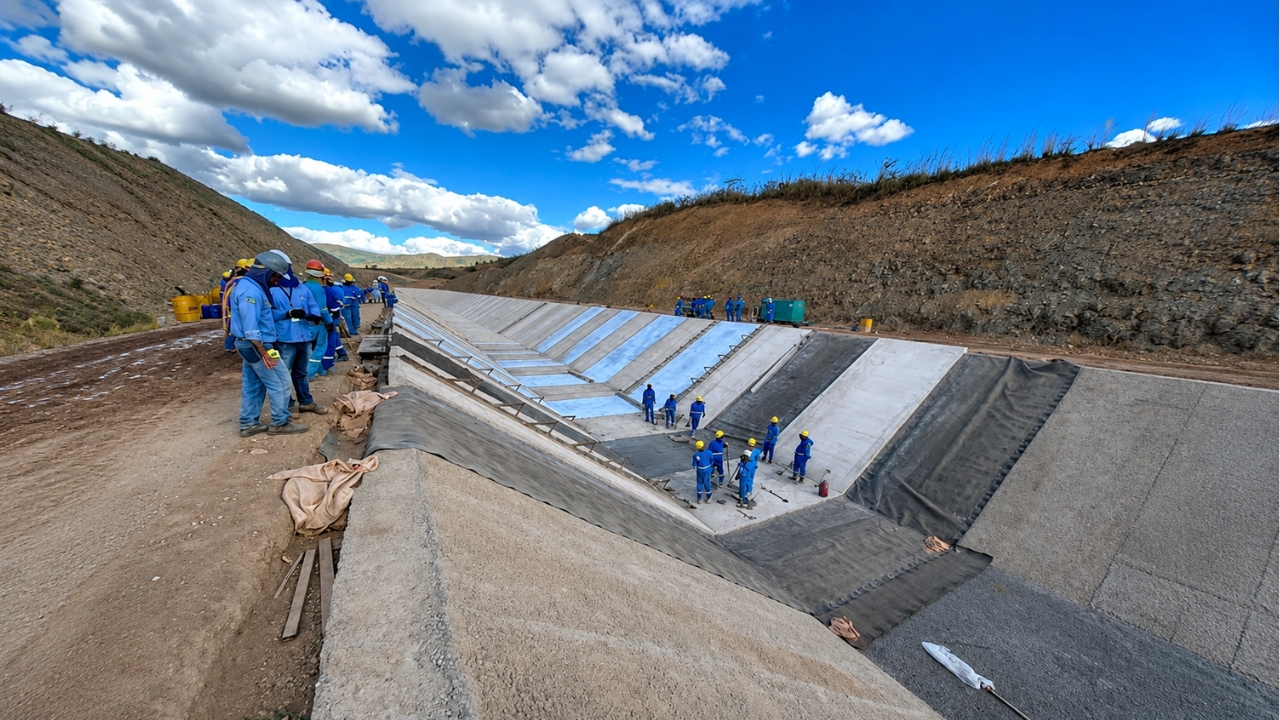


The hidden tunnel connects Lake Päijänne to the Helsinki region
The Päijänne Tunnel crosses 120 kilometers of rock between the lake and the Helsinki region. It is located between 30 and 100 meters below the surface, in a path that is far from the view of those who circulate through forests, streets, and buildings.
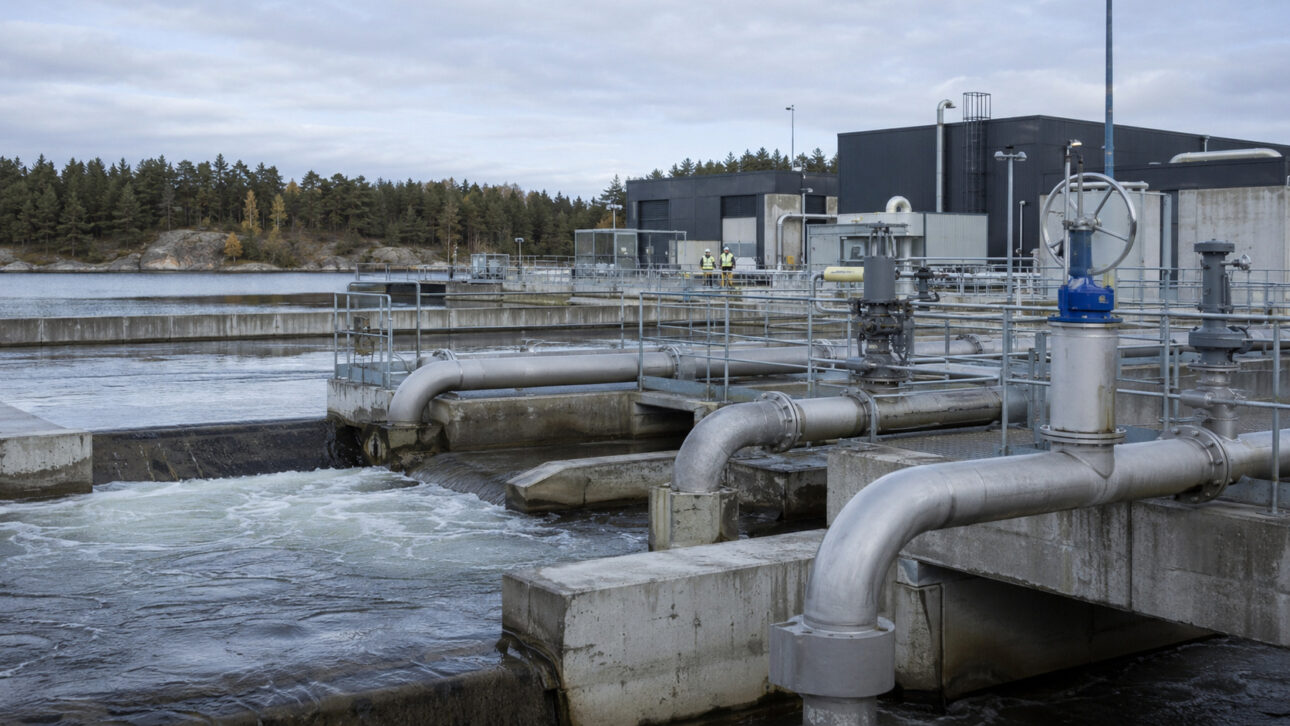
In practice, the structure functions as a large underground water route. The lake is the point of origin, the tunnel carries the volume close to the treatment, and the urban network does the rest of the work to the points of consumption.
The scale of the project helps to understand why water supply does not depend solely on a river, lake, or reservoir. It is necessary to have a safe path to bring water to where people live.
Raw water is the lake water before it is ready for consumption
Raw water is the water taken from nature before the necessary cleaning to be used by people. It can come from a lake, river, reservoir, or another source, a name given to the place where the water is captured.
In the Helsinki system, Lake Päijänne provides this initial volume. The journey through the tunnel happens before treatment, so the water is not yet ready for drinking, cooking, or use in household activities.
The treatment stage makes the water go through the necessary processes to reach the network in suitable conditions. After that, reservoirs and pipelines maintain the flow to neighborhoods, businesses, and services.
The rock hides the route, but the system still requires care
The underground position keeps the water’s path separate from visible changes on the surface. This reduces direct exposure to construction, traffic, and other interventions that could affect a structure installed outdoors.
Even so, a tunnel does not eliminate the need for care. Transporting water in large volumes requires inspections, maintenance, and preparation to deal with interruptions, as a failure can affect various stages of supply.
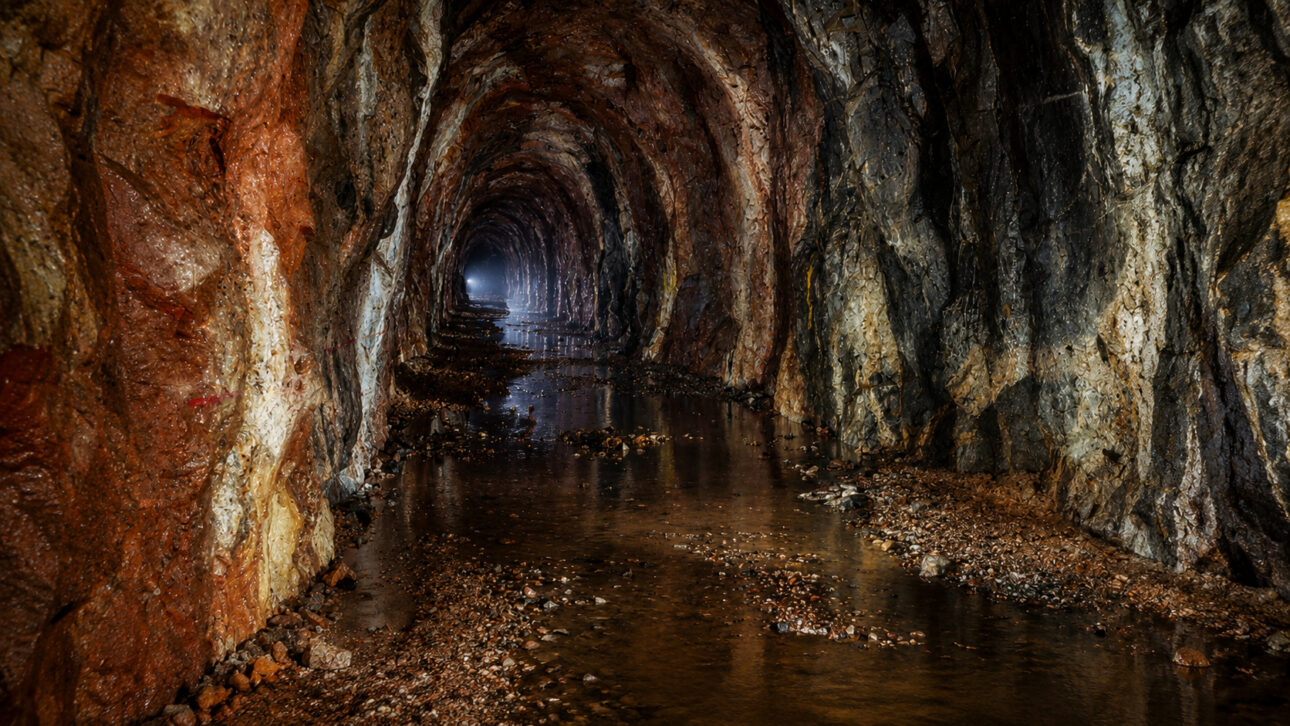
The information was released by HSY, the regional environmental services entity in Helsinki. The tunnel carries raw water from Lake Päijänne to a reservoir near the treatment structure before it proceeds to the urban network.
The tunnel does not replace the pipelines that carry water to homes
A large-scale underground construction solves part of the path but does not replace the rest of the system. After treatment, the water needs to be stored and distributed through pipelines that reach close to where people live and work.
Therefore, the tunnel is a central piece but does not work alone. Capture, transport, treatment, storage, and distribution are connected stages. When one of them stops, the supply can be impacted.
For the resident, the result appears in a simple gesture, turning on the tap. Behind it, there is a sequence of structures that needs to work in an integrated way.
Brazilian pipelines also carry water over long distances
In Brazil, a main pipeline is a large-scale pipe used to transport water within the supply system. It can carry raw water to the treatment plant or convey treated water to reservoirs and distribution areas.
The comparison with Finland helps visualize the function of this type of structure. The difference lies in the chosen path: in Helsinki, the main transport occurs within a tunnel carved into the rock, while Brazilian main pipelines usually use pipes installed in other types of routes.
This does not mean that a Brazilian city can replicate the Finnish model without analysis. The type of soil, distance, available water volume, construction cost, and maintenance capacity vary from place to place.
Water security starts long before the water reaches the tap
Water security means reducing the risk of water shortage for the population. It depends on a reliable source, pathways capable of bringing water to the city, and structures that perform treatment and distribution.
The water tunnel in Finland shows that an important part of the supply can remain hidden. The population sees the water reaching the tap, but the journey began much earlier, in a distant lake and in a passage carved under the rock.
The case of Helsinki reinforces that water infrastructure is not just a network of pipes under the streets. It is a set of decisions that connects the source to the homes of over 1 million people, with transport, treatment, and distribution.
For cities seeking to reduce the risk of water shortage, the lesson is simple: finding a good source is not enough. It is also necessary to create and maintain the pathways that bring this water to the population.
Do you believe that large main pipelines and interconnections can help Brazilian cities face periods of low rainfall without relying solely on new reservoirs? Share your opinion in the comments and send this publication to those interested in infrastructure and water.